2026 Best Hydraulic Valve Types for Global Buyers
Choosing the right Hydraulic Valves in 2026 requires more than comparing prices or catalog photographs. Global buyers must match valve design with pressure, flow, temperature, duty cycle, fluid cleanliness, and service conditions. A compact directional valve may suit a mobile machine, while a proportional or servo valve may deliver finer control in industrial automation. Pressure-control valves protect pumps and actuators. Flow-control valves help stabilize cylinder speed, even when loads change.
Dr. Steffen Haack, CEO of Bosch Rexroth, has emphasized, “Hydraulics is not dead; it is more alive than ever.” That view deserves practical testing, not blind confidence. Real purchasing experience shows that a valve performing well in a clean laboratory can behave differently beside dust, vibration, heat, or inconsistent maintenance. Small details matter. Port size matters. Seal material matters. A beautiful data sheet is not enough.
This guide examines the best Hydraulic Valves for international buyers in 2026, including directional, pressure, flow, check, cartridge, proportional, and servo types. It considers response time, leakage control, energy efficiency, installation space, documentation, and replacement support. Product standards and regional requirements also need careful review before shipment. No single valve wins everywhere. That is the uncomfortable part. Buyers may still choose too quickly, especially when familiar brands seem safer. A better decision begins with the machine’s actual operating profile, verified technical data, and honest communication with experienced suppliers.
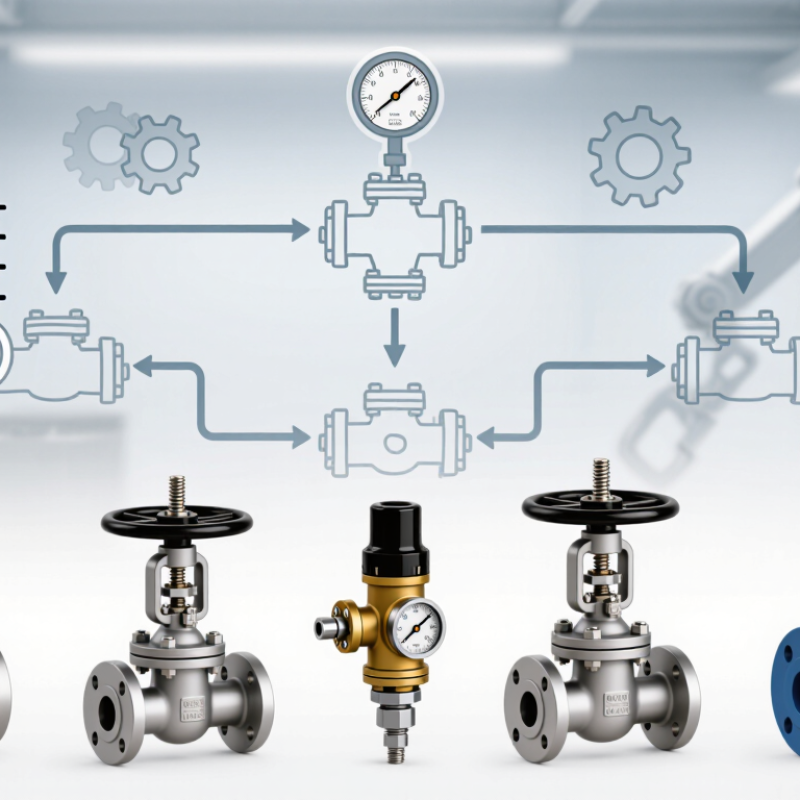
Hydraulic Valve Basics: Functions, Symbols, and Operating Principles
Hydraulic valves guide, stop, or redirect pressurized fluid inside a hydraulic circuit. Directional valves change actuator movement by connecting specific ports. Pressure valves limit force, protect components, or maintain a set pressure. Flow-control valves adjust actuator speed by restricting fluid volume. Check valves permit flow in one direction only.
Pressure matters. Symbols matter too. On a hydraulic schematic, boxes usually represent valve positions, while arrows show flow paths. Springs, pilot lines, and solenoids indicate how the valve shifts. A symbol does not show the valve’s physical size or installation orientation. It explains function, not appearance. That distinction prevents costly selection errors.
The operating principle is practical. A spool moves across internal lands and opens or closes passages. A poppet seals against a seat, often creating tight shutoff. Pilot pressure can move a larger element with modest control force. In field inspections, I check port markings, rated pressure, fluid compatibility, and response under real temperature conditions. Clean oil is essential. Tiny contamination can make a precise valve stick.
A common mistake is trusting the symbol alone. It may hide leakage limits, pressure loss, or control sensitivity. I still verify these details against technical drawings and test data. Selection becomes more reliable when circuit behavior, maintenance access, and local operating conditions are considered together.
Core Hydraulic Valve Types and Their Main Applications
2026 Best Hydraulic Valve Types for Global Buyers
Core Hydraulic Valve Types and Their Main Applications
Hydraulic valves control pressure, direction, and flow in machines. Directional control valves route oil between pumps, cylinders, and motors. They suit presses, lifting systems, and automated production lines. Pressure relief valves protect circuits when pressure rises above a safe setting. Pressure reducing valves maintain lower pressure for sensitive branches. Check valves prevent reverse flow, especially near vertical cylinders and accumulator circuits.
Flow control valves regulate actuator speed. They are useful for clamps, conveyor drives, and machine tools. Proportional valves provide adjustable movement and smoother control than basic on-off valves. Servo valves offer greater precision, but they demand cleaner oil and careful maintenance. In mobile equipment, compact cartridge valves can simplify installation. However, limited access may make servicing difficult. I have seen systems fail because buyers selected ports before checking flow demand.
Tips: Match valve size with actual flow and pressure. Check fluid temperature, seal material, and contamination levels. Confirm connection standards for the destination market. Leave adjustment access for technicians wearing gloves. A cheaper valve can become expensive after repeated downtime. Keep records of settings and replacement intervals. Selection is rarely perfect; real operating data may expose assumptions made during design.
How to Compare Pressure, Flow, and Directional Control Valves
2026 Best Hydraulic Valve Types for Global Buyers
Comparing pressure, flow, and directional valves starts with the machine’s working cycle. Pressure-control valves protect circuits and stabilize actuator force. Relief valves limit maximum pressure, while reducing valves maintain a lower branch pressure. Flow-control valves manage actuator speed. Their orifice size, pressure drop, and compensation method matter more than a simple flow-rate label. Directional valves route fluid between pumps, actuators, and tanks. Spool valves offer flexible configurations, while poppet designs can provide tighter shutoff.
Use real operating data, not catalog optimism. Record peak pressure, normal pressure, minimum and maximum flow, oil temperature, and cycle frequency. A valve rated for 250 bar may perform poorly if contamination causes sticking or excessive leakage. ISO 4413 recommends controlling hydraulic-system risks, including pressure release and energy isolation. Cleanliness also deserves attention; ISO 11171-based particle measurement can reveal whether filtration matches the valve’s sensitivity.
Market reports show why careful selection matters. Grand View Research valued the global hydraulic equipment market at approximately USD 49.7 billion in 2023 and forecast continued growth through 2030. MarketsandMarkets also projected steady expansion in the hydraulic valves market through 2029. These estimates differ by scope, so they should guide planning, not replace testing. In field work, I would compare pressure loss at actual flow, response time under heat, and maintenance access. A quieter valve is not always a better valve. I have seen selections fail because pressure was checked, but return-line backpressure was ignored. That detail deserves a second review.
Material, Size, Safety, and Performance Factors for Global Buyers
Choosing a hydraulic valve starts with material, not catalog habit. Carbon steel suits high-pressure industrial circuits, while stainless steel better resists saltwater, washdown, and corrosive chemicals. Aluminium reduces weight, but repeated shock loads can expose its limits. The 2024 Hydraulic Equipment Market report by Fortune Business Insights estimated global equipment demand at about USD 50 billion, showing why small material decisions affect large international supply chains.
Size must match flow, pressure, port standards, and hose geometry. An oversized valve may respond slowly and waste energy. An undersized valve can create heat, noise, and pressure loss. ISO 4413 requires risk assessment, pressure protection, and safe maintenance arrangements for hydraulic systems. In practical checks, confirm the valve’s continuous rating, not only its short-term peak rating. Measure oil temperature at the reservoir and near the actuator. Numbers often disagree.
Safety depends on function. Use relief valves for pressure control, check valves for load holding, and directional valves with suitable fail-safe positions. The International Energy Agency reports that industrial motors and driven systems account for over 40% of global electricity use; inefficient hydraulics add avoidable demand. That comparison is imperfect, but it deserves attention. I would also recheck contamination data before final selection. A clean specification sheet cannot compensate for dirty oil, poor filtration, or an incorrect seal material. Local climate, operator training, spare-part access, and regional certification can change the best choice.
2026 Best Hydraulic Valve Types for Global Buyers
The chart compares representative upper-end working pressure and flow capacity for commonly specified industrial hydraulic valve types. Actual performance depends on valve size, spool design, fluid viscosity, temperature, installation, and manufacturer specifications.
Values shown are typical engineering ranges used for global industrial selection: pressure is measured in bar, while flow capacity is measured in L/min. Buyers should verify material compatibility, port size, safety rating, and certified operating limits before purchase.





 Send Inquiry

