What is an Air Muffler Silencer and How Does it Work?
An Air Muffler Silencer plays a crucial role in reducing noise from engines. It is a device found in vehicles and machinery where noise control is needed. By using specific materials, it absorbs and dissipates sound waves.
The design varies based on the application. For instance, some mufflers are compact, while others are larger for heavy machinery. Each design aims to minimize sound effectively. Sound waves enter the silencer and encounter barriers that disrupt their flow. As a result, the noise level decreases significantly.
However, there are challenges. Not all mufflers are equally effective. Some may still allow excessive noise to escape. It's vital to choose the right Air Muffler Silencer for each situation. Proper installation and maintenance also matter in achieving noise reduction. Understanding these factors can lead to better outcomes.
What Is an Air Muffler Silencer?
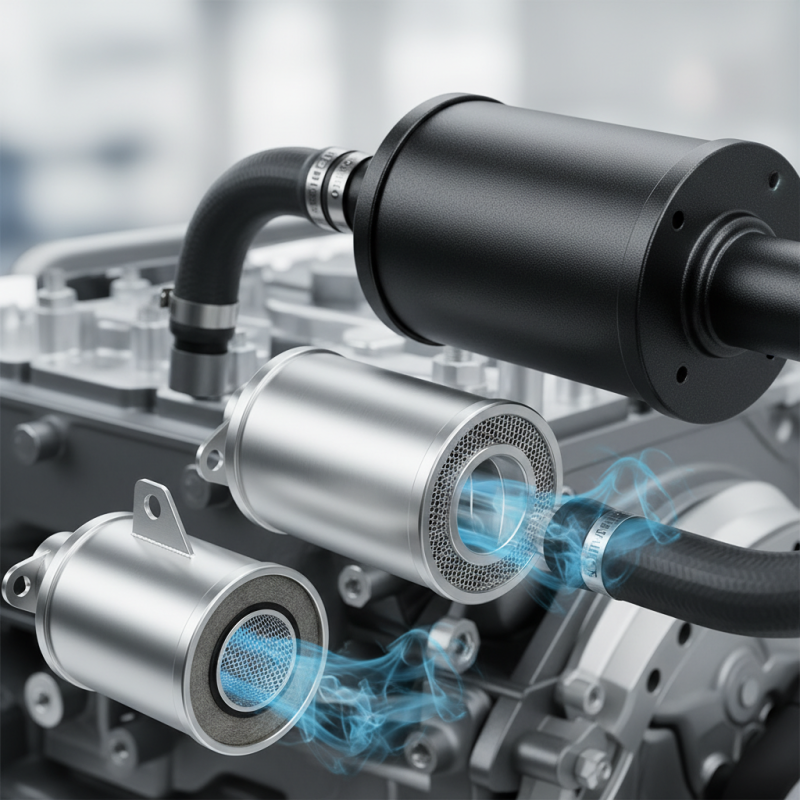
An air muffler silencer is a device designed to reduce noise. It is commonly used in various applications, including automotive and industrial settings. The purpose of a silencer is to dampen sound waves produced by air or exhaust systems. By using various internal structures, it minimizes the noise without affecting performance.
These silencers often employ chambers and baffles. As air passes through these components, sound waves collide and dissipate. This process reduces the intensity of the noise. While effective, the design of a silencer can sometimes compromise airflow. In certain cases, this trade-off may not be evident until testing shows a drop in performance.
Users often forget to consider maintenance. Over time, particulates can build up, affecting efficiency. It's essential to inspect the silencer regularly. An overlooked part can lead to heightened noise levels or malfunction. This demands attention, as a well-functioning air muffler silencer is crucial for both comfort and operational efficiency.
The Basic Components of an Air Muffler Silencer
An air muffler silencer plays a vital role in noise reduction systems. It primarily consists of several basic components, such as a sound-absorbing material, a chamber, and an exhaust port. The sound-absorbing material is typically made from foam or fiberglass. This material helps to dampen sound waves produced by the airflow. The chamber's design allows for specific sound frequencies to be suppressed. This affects how air moves through the system and alters sound characteristics.
Research from the Noise Control Engineering Journal reports that properly designed air mufflers can reduce noise levels by up to 30 decibels. This significant reduction enhances comfort in residential and industrial environments alike. However, many designs still face challenges. Some mufflers may not effectively target all frequency ranges, leading to inconsistent sound profiles. Additionally, the durability of sound-absorbing materials can degrade over time, affecting performance.
An ideal air muffler silencer balances efficiency and effectiveness. While data shows promising results, the actual implementation may vary widely. Factors like installation, airflow patterns, and external noise sources play crucial roles. Some units may require regular inspection for optimal efficiency. It's essential for users to remain vigilant and assess their specific needs against the performance of their muffler systems.
How Air Muffler Silencers Reduce Noise
Air muffler silencers are essential for controlling noise in various systems. They work by reducing the intensity of sound waves created during air flow. These devices incorporate a series of chambers and baffles. As the air moves through these components, some of the sound energy gets absorbed or redirected. This reduces overall noise significantly.
One common setting for air mufflers is heavy machinery. In factories, equipment operates continuously, creating a loud environment. This can lead to hearing damage for workers. By implementing air muffler silencers, factories can lower noise levels. Workers can communicate more easily, and their well-being improves. Yet, not all air mufflers work perfectly. Some may fail to adequately dampen certain frequencies, prolonging noise issues.
Another consideration is the material used in manufacturing these silencers. Different materials can impact performance. Some are more effective at low frequencies, while others excel at high frequencies. It's essential to choose the right type for specific needs. However, budgets often limit choices. This can lead to trade-offs in effectiveness. Finding the right balance between cost and performance requires careful thought.
The Working Principle of Air Muffler Silencers
Air muffler silencers play a vital role in controlling noise from air systems. They reduce unwanted sounds produced by air compressors and pneumatic tools. Understanding their working principle helps in selecting the right model for your needs.
These silencers operate based on the concept of dissipating sound energy. When air flows through the silencer, it passes through a series of porous materials. These materials absorb the sound waves. The structure causes turbulence, breaking down the noise into smaller, less intrusive sound levels. This process makes the environment quieter and more comfortable.
Tip: Regular maintenance of your air muffler silencer is crucial. Check for blockages that might reduce efficiency. Clean the exterior regularly to avoid rust or corrosion.
In some situations, the design may not suffice. The noise level might still be bothersome. Reflecting on the placement of the air compressor can help mitigate this. Ensuring it is situated away from work areas can enhance comfort.
Applications and Benefits of Using Air Muffler Silencers
Air muffler silencers are crucial in reducing noise levels across various applications. They are widely used in industrial settings, HVAC systems, and pneumatic tools. The primary benefit of these silencers is noise reduction, which can reach up to 25 decibels. This reduction can significantly improve workplace safety and comfort.
In manufacturing environments, reducing noise is not merely a luxury; it is a necessity. Studies show that prolonged exposure to noise levels above 85 dB can lead to hearing loss. Therefore, implementing air muffler silencers is essential for protecting workers. By achieving lower noise emissions, companies not only preserve employee health but also enhance productivity.
Moreover, air muffler silencers contribute to energy efficiency. These devices can help prevent energy waste in compressed air systems. According to a report by the Department of Energy, reducing noise can lead to a more efficient operation, saving businesses up to 30% on energy costs. However, selecting the right silencer for specific applications can be challenging. It requires careful consideration to balance noise reduction and performance. Understanding these factors is vital for long-term satisfaction and effectiveness of the system.
Applications and Benefits of Air Muffler Silencers




 Send Inquiry

