What are the Benefits of Galvanized Coil in Construction?
In the construction industry, durability is crucial. Galvanized Coil offers an appealing solution for many projects. It is steel that has been coated with zinc to prevent rust. This added layer makes it ideal for various applications, especially in harsh environments.
One of the key benefits of Galvanized Coil is its resistance to corrosion. Structures exposed to moisture and chemicals can deteriorate quickly. Using galvanized materials can extend the lifespan of buildings and infrastructure. However, not all galvanized products are equal. Some might not perform as expected under extreme conditions.
Another benefit lies in its cost-effectiveness. Though initial costs may be higher, long-term savings can be significant. Maintenance and replacement costs decrease with galvanized products. Still, builders must consider the specific needs of their projects. The choice of materials can be complex, and factors like location play a role in decision-making.
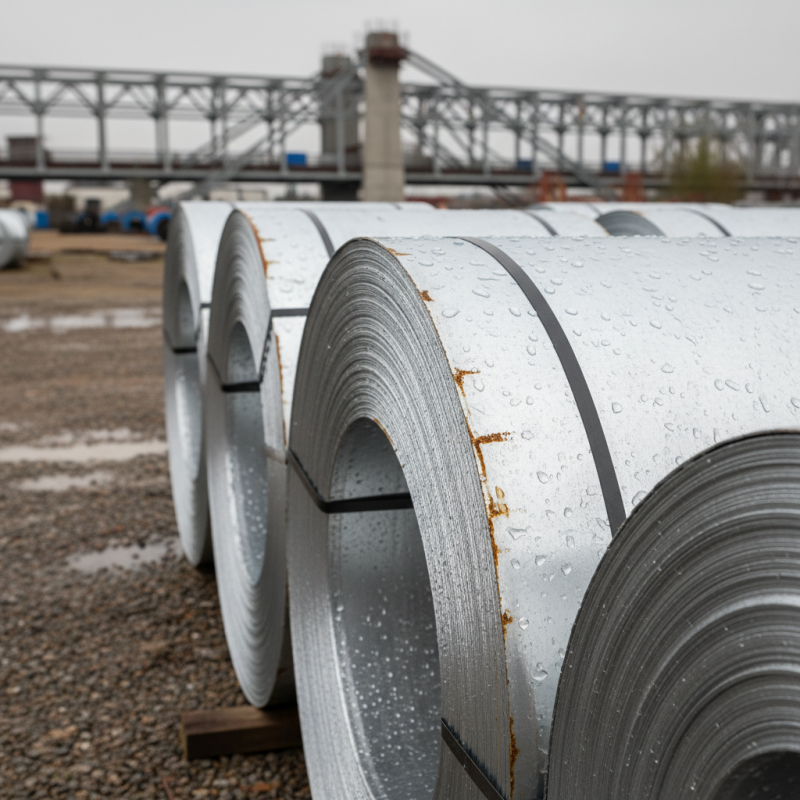
Benefits of Galvanized Coil in Construction: An Overview
Galvanized coil is a popular choice in construction due to its many benefits. It consists of steel coated with zinc, which enhances its durability. This zinc layer protects against rust and corrosion. Projects using galvanized coil often last longer. The investment pays off over time.
Using galvanized coil can reduce maintenance costs significantly. Its resistance to rust means fewer repairs. In harsh environments, this aspect is particularly beneficial. It also retains its structural integrity under various weather conditions. This quality is essential for both safety and longevity.
**Tip:** When choosing materials, consider the environment. Understanding local conditions can help you make better choices.
Many people overlook the visual appeal of galvanized coil. Its sleek finish can add an aesthetic quality to structures. However, some may find it less appealing than other materials. That said, its practicality often outweighs this concern.
**Tip:** Balancing aesthetics and functionality is crucial. Explore different finishes if the look matters to you.
Benefits of Galvanized Coil in Construction
Galvanized coil offers numerous benefits in construction, including corrosion resistance, durability, cost-effectiveness, low maintenance, and aesthetic appeal. This chart illustrates the importance of each benefit in percentage, showcasing the significant advantages of using galvanized materials in construction projects.
Durability and Longevity of Galvanized Coils in Building Projects
Galvanized coils are widely used in construction due to their remarkable durability and longevity. These coils offer impressive resistance to corrosion. In harsh weather conditions, they can last much longer than uncoated alternatives. This characteristic is essential for structures exposed to moisture and other elements. Even with minimal maintenance, galvanized materials can serve their purpose for decades.
Using galvanized coils reduces the need for frequent replacements. This can lower overall project costs. Builders appreciate how these materials can withstand the test of time. However, not all galvanized products are created equal. Some may not provide adequate protection against the most extreme conditions. It's crucial to assess the specific project needs before making a decision.
In construction, durability is critical, but so is the environmental impact. Using galvanized coils can minimize waste over time. However, the production process should also be considered. If not monitored properly, it can result in harmful emissions. Balancing durability and sustainability is a key challenge. Ultimately, making informed choices leads to better construction practices.
Cost-Effectiveness of Using Galvanized Coil in Construction Materials
Galvanized coil offers significant cost-effectiveness in construction. Its resistance to rust and corrosion results in less frequent replacements. According to industry studies, structures using galvanized materials can experience a 20% reduction in long-term maintenance costs. This durability is crucial for projects where longevity is a priority.
Using galvanized coil can save money on initial investments as well. While the upfront cost might be slightly higher, the long-term savings are substantial. Data show that builders can save approximately $2.50 per square foot in maintenance and repairs. This translates to significant savings over the life of a structure.
However, the decision to use galvanized coil should be weighed carefully. Not all projects require such durability. In some instances, less expensive materials may suffice. Assessing the specific needs of a project is essential. A balanced approach can lead to wiser spending and investment choices in the construction industry.
Corrosion Resistance and Its Importance in Construction Applications
Corrosion resistance is a fundamental factor in construction. Many materials face the elements daily. Steel, if left untreated, can rust rapidly. This is where galvanized coil comes into play. By coating steel with a layer of zinc, it creates a barrier against moisture and air. This simple process significantly extends the life of the material.
In construction, durability is key. Using galvanized coil can reduce maintenance costs later on. Imagine a building framework that needs little intervention for years. That’s the power of corrosion resistance. However, not all applications require this level of protection. Some might argue it’s an unnecessary expense in dry climates. Yet, in coastal areas, the benefits are clear. Salt can accelerate corrosion dramatically.
Maintenance teams often find themselves dealing with rust issues. In some cases, deciding to use uncoated steel leads to regrets. While galvanized coil may seem initially pricier, the long-term results speak volumes. It becomes evident that protecting infrastructure is worth the investment. Some projects may skimp on materials, but this can backfire drastically. A wise choice can lead to fewer repairs and increased safety.
Environmental Impact and Sustainability of Galvanized Coil Usage
Galvanized coil is a popular choice in construction for its durability and corrosion resistance. It’s also an environmentally friendly material. Recent studies show that galvanized steel can reduce energy usage by up to 30% compared to other materials. This reduction is crucial in lowering carbon footprints in construction projects.
Using galvanized coil contributes to sustainability. The manufacturing process reuses over 90% of zinc and steel. This significantly cuts down waste and promotes recycling. Galvanized materials last longer, reducing the need for replacements. Yet, the industry faces challenges. In some applications, the initial costs are higher than non-galvanized options. It raises questions about immediate versus long-term benefits.
Tips: Consider the lifecycle cost of materials. Investing in galvanized coil may be more cost-effective over time. Explore local sources of galvanized steel to reduce transportation emissions. Prioritize suppliers who practice eco-friendly production methods. Choosing wisely can make a difference.




 Send Inquiry

