10 Best Industrial Hose Fittings for Global Buyers?
Choosing the right Industrial Hose Fittings is not a catalogue exercise. It is a risk decision involving pressure, temperature, fluid compatibility, movement, and installation quality. A fitting that looks strong on a warehouse shelf may fail when exposed to hot steam, abrasive slurry, corrosive chemicals, or repeated bending.
Industrial hose specialist Paul J. Morrow states, “A fitting is only as reliable as the hose, installation, and inspection around it.” That practical warning should guide every global buyer. The best connection depends on more than thread size. Buyers must check working pressure, burst pressure, coupling material, sealing method, thread standards, and the hose’s inner and outer diameter. Small details matter. A loose clamp can leave marks around the cover. Poor alignment can twist the hose near the coupling. Heat can quietly weaken an otherwise suitable assembly.
This guide reviews ten Industrial Hose Fittings selected for demanding applications worldwide. It considers camlock couplings, quick-connect fittings, flanges, sanitary connections, threaded adapters, and specialized hydraulic-style options. Each section will examine typical uses, strengths, limitations, and purchasing concerns. Certification and traceability also deserve attention, especially when equipment crosses borders or serves food, water, energy, and manufacturing facilities.
No fitting is perfect.
That point is easy to overlook. Buyers sometimes focus on price before service life, spare-part availability, or technician familiarity. We will also question those assumptions. The most dependable choice may not be the cheapest option. It may be the one that installs clearly, seals consistently, and remains inspectable after months of hard use.
Industrial Hose Fitting Basics and Key Performance Requirements
Industrial hose fittings connect flexible lines to pumps, valves, tanks, and process equipment. Their basics are simple: choose the correct thread, seal, material, size, and pressure class. The fitting must match the hose’s inner diameter, not only its outside appearance. A loose fit can leak. An overly tight connection can damage the tube.
Pressure performance deserves careful attention. ISO 18752 classifies hydraulic hoses by pressure, temperature, and impulse requirements. That framework helps buyers compare products across regions. A 2024 Grand View Research assessment placed the global industrial hose market in the multi-billion-dollar range, with mid-single-digit annual growth expected. More installations also mean more connection points and more failure risks. Check working pressure, burst pressure, vacuum resistance, and temperature limits. Do not treat burst pressure as a safe operating value. That mistake remains common.
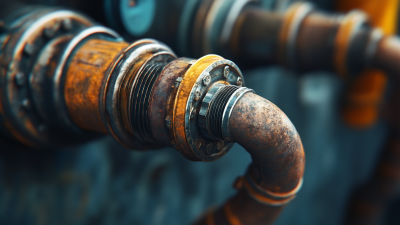
Material selection depends on the medium. Stainless steel resists many corrosive fluids, while carbon steel may suit controlled industrial water systems. Elastomer compatibility matters with oils, chemicals, steam, and cleaning agents. EN 853 and related hose standards also emphasize assembly performance, impulse resistance, and verification testing. In field inspections, I would examine crimp marks, thread damage, twisting, and hose bend radius. Small details matter. A fitting can look perfect and still fail after repeated vibration. I would also admit one limitation: published market reports often combine hoses, couplings, and fittings, so their figures are useful directionally, not as exact fitting demand. Strict traceability, pressure testing, and documented installation practices provide stronger buying evidence.
How to Evaluate Hose Fittings for Different Industrial Applications
Selecting the best industrial hose fitting starts with service conditions, not a catalog ranking. Define the conveyed medium, working pressure, temperature range, movement, vibration, and bend radius. Water, oil, chemicals, and compressed air can require very different materials. A fitting may withstand pressure yet corrode quickly in a humid plant. Small details matter.
Match the fitting to both the hose and the equipment port. Common options include threaded, flanged, quick-connect, and push-to-connect designs. Check thread standards, sealing methods, dimensions, and available clearance. Measure the mating port instead of trusting an old drawing. Pressure ratings must also be reviewed at operating temperature. Include surge pressure, vacuum exposure, and repeated flexing. ISO 8434 and similar standards can support technical verification, but they do not replace application testing.
Reliable purchasing requires traceable evidence. Request material certificates, batch identification, pressure-test records, and documented crimp dimensions. During installation, inspect the hose cut, insertion depth, clamp position, and torque. Field inspections often reveal small assembly errors behind major leaks. One uncomfortable lesson is that the most expensive fitting is not always the safest choice. Over-specification can reduce flexibility, while a low-cost selection may fail under cycling. Review assumptions with maintenance technicians before approving the final specification.
Ten Leading Industrial Hose Fitting Types for Global Buyers
10 Best Industrial Hose Fittings for Global Buyers?
Ten Leading Industrial Hose Fitting Types for Global Buyers
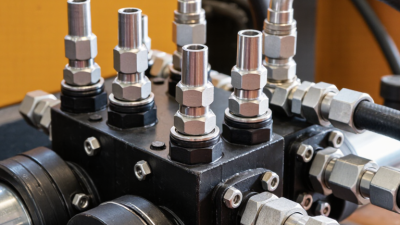
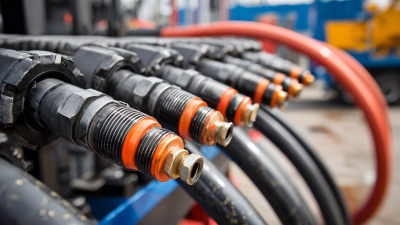
Industrial buyers usually compare connection speed, pressure rating, media compatibility, and service life. Ten leading fitting types deserve attention: hydraulic crimp, reusable hydraulic, threaded, flanged, camlock, quick-connect, sanitary clamp, compression, push-to-connect, and hose barb fittings. Each serves a different operating scene. A stainless-steel sanitary clamp suits food lines, while a crimp fitting handles high-pressure hydraulic oil. Camlock couplings support fast transfer work, but they may leak when seals age.
MarketsandMarkets reports that the global industrial hose market could grow from roughly USD 15 billion in 2023 to more than USD 20 billion by 2028. This expansion reflects demand from construction, chemical processing, energy, and manufacturing. However, market growth does not guarantee safe selection. ISO 18752 classifies hydraulic hose performance by pressure, temperature, and impulse requirements. ISO 4413 also stresses proper hydraulic system installation. Buyers should request test certificates, material declarations, and traceable batch information. A low purchase price can become expensive after repeated downtime.
Tips: Match the fitting material with the fluid, not just the hose material. Check working pressure, impulse pressure, temperature, bend radius, and thread standard. Use locking devices on vibrating lines. Inspect sealing faces under bright light. I have seen apparently correct fittings fail because the thread standard was misunderstood. That mistake is easy to repeat. Regional standards also vary, so a technical drawing should confirm every dimension before shipment.
Material, Size, Pressure, and Connection Compatibility Guidelines
10 Best Industrial Hose Fittings for Global Buyers
Selecting industrial hose fittings requires more than matching hose diameter. Material compatibility comes first. Stainless steel suits corrosive fluids, while carbon steel works well in many general-service systems. Brass can fit moderate-pressure applications, but it may be unsuitable for aggressive chemicals. Always verify fluid temperature, concentration, and cleaning methods.
Size must match the hose inner diameter and the fitting flow path. A smaller bore can create pressure loss and heat. Pressure ratings should cover working pressure, surges, and operating temperature. The weakest component controls system safety. Connection style also matters. Compare NPT, BSP, metric threads, flanges, camlock couplings, and quick-connect designs. Do not assume similar-looking threads are interchangeable. They may leak.
Tips: Request material certificates, pressure-test records, and dimensional drawings before purchase. Check sealing methods, gasket material, thread direction, and installation space. For global sourcing, confirm the required ISO, EN, or ASME specifications. Field checks often reveal overlooked details, such as vibration, hose movement, or frequent coupling changes. A fitting can pass a pressure test and still fail early when alignment is poor. Recheck the design. Safety margins should reflect real operating conditions, not only catalog values.




 Send Inquiry

