Best Roof Drains for Effective Water Management Solutions?
Effective water management is crucial for building longevity. Roof Drains play a vital role in this process. They are essential for channeling rainwater away, preventing structural damage. A well-designed roof drain system minimizes water pooling, which leads to leaks and costly repairs.
Choosing the right roof drains can be challenging. There are various types and materials available, each with unique features. Understanding the specific needs of a building is key. Factors like climate, roof design, and drainage capacity should influence your decision. Reliable roof drains not only protect a building’s integrity but also enhance its lifespan.
Investing in high-quality roof drains is an often overlooked yet necessary step. Many property owners underestimate the consequences of poor drainage systems. An inadequately managed roof can result in significant issues over time. This article explores the best roof drains available, focusing on their benefits and installation considerations.
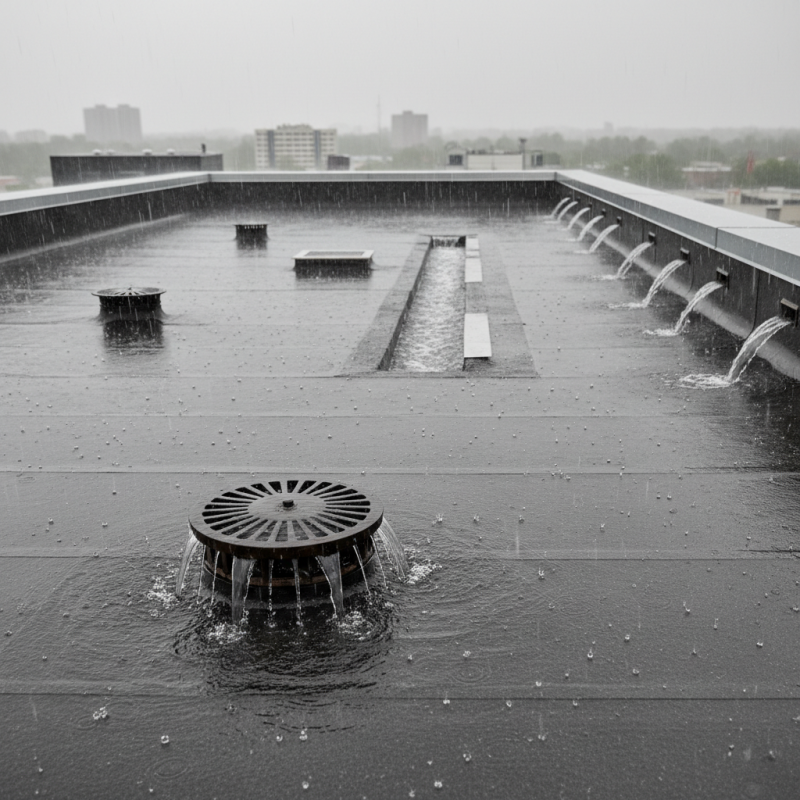
Overview of Roof Drain Types and Their Functions
Roof drains play a critical role in effective water management for buildings. Various types exist, each serving specific purposes. Traditional deck drains are often found on flat roofs. They collect water and direct it away from the building. Their design helps prevent water pooling, but they can become clogged with debris over time. Regular maintenance is essential to ensure proper function.
Scupper drains, typically located at roof edges, provide another solution. They allow seamless drainage while minimizing overflow risks. However, they require proper placement to function effectively. The positioning can impact their efficiency. In cases of heavy rainfall, their capacity may not meet demand, leading to water accumulation.
Additional options include internal and external roof drains. Internal drains connect to the building's plumbing. They are often less visible but can complicate repairs. External drains are easier to access but may face drainage issues from surrounding landscapes. Each type has its advantages and shortcomings. Understanding the distinct roles of roof drain types helps in making informed decisions.
Factors to Consider When Choosing Roof Drains
Choosing the right roof drain is crucial for effective water management. Several factors can influence your decision. Consider the type of roof you have. Flat roofs typically require different drainage solutions than sloped roofs. Each design has unique water flow characteristics. The climate in your area also plays a significant role. Heavy rainfall zones need drains that can handle increased water flow.
Tips: Assess your local weather patterns. Install a drainage system that can handle your area's maximum rainfall.
Material quality is another important factor. Durable options, such as stainless steel or plastic, can enhance longevity. Look for features that prevent clogs, like filters or screens. Easy access for maintenance is vital. A drain that cannot be serviced easily may lead to long-term problems.
Tips: Check for any signs of corrosion. Regular maintenance can extend the life of your drainage system.
Finally, local building codes should be reviewed. Each region may have specific requirements. Understanding these regulations can save you from potential penalties. Ultimately, the right choice can enhance your building's sustainability and protect it from water damage.
Advantages of Different Roof Drain Materials
When choosing roof drains, the material can significantly impact water management effectiveness. Common materials for roof drains include cast iron, PVC, and stainless steel. Each has unique advantages that cater to specific needs.
Cast iron is renowned for its durability and strength. It withstands extreme weather and heavy loads. A 2022 industry report indicated that cast iron drains have a lifespan exceeding 50 years with proper maintenance. However, they can be heavy and cumbersome to install, requiring more labor.
PVC drains, on the other hand, are lightweight and resistant to corrosion. This makes them ideal for residential roofs where weight is a concern. They are also cost-effective, with installation times that are often half of that for metal counterparts. A study by the National Roofing Contractors Association highlighted that PVC drains could reduce overall installation costs by up to 20%. Yet, they may not handle heavy rainfall as effectively as heavier materials.
Stainless steel combines strength with aesthetic appeal. It is resistant to rust and corrosion, making it suitable for modern buildings. However, its higher cost might deter some owners. Understanding the trade-offs among materials is essential for making informed decisions. Each material has strengths and weaknesses that must be aligned with project requirements.
Installation Best Practices for Roof Drain Systems
Installing a roof drain system requires careful consideration. Proper positioning is crucial for effective water management. Drains should be placed at low points to capture rainwater efficiently. Ensure they align with downspouts for quick drainage. Inspect the roof’s slope; each section must guide water to the drain. A gentle slope helps prevent water pooling.
Using high-quality materials can enhance durability. Consider using weather-resistant components. A good seal is vital to prevent leaks. Regular maintenance is necessary to address clogs. Leaves and debris can obstruct water flow. Neglecting to clean the system can lead to significant damage. Assess the drainage capability during heavy rains to identify weak spots.
Testing the system after installation is essential. Water should flow freely without any backups. If pooling occurs, reevaluate the positioning of your drains. Adjustments may be needed to optimize performance. Document these observations for future reference. Sharing experiences can guide others in avoiding common pitfalls.
Best Roof Drains for Effective Water Management Solutions
| Drain Type | Material | Capacity (GPM) | Installation Complexity | Maintenance Frequency |
| Flat Roof Drain | PVC | 20 | Moderate | Quarterly |
| Hopper Drain | Cast Iron | 30 | High | Bi-annual |
| Scupper Drain | Aluminum | 25 | Easy | Annual |
| Interior Floor Drain | Stainless Steel | 15 | Moderate | Monthly |
| Roof Leader | Copper | 35 | Difficult | Bi-annual |
Maintenance Tips for Ensuring Roof Drain Efficiency
Effective water management starts with a well-maintained roof drainage system. Regular inspections are essential. According to industry reports, clogged roof drains can cause up to 50% of water damage in commercial buildings. This underscores the importance of maintaining drain efficiency.
Tips: Clean drains regularly, especially during the fall. Leaves and debris can quickly overflow drains, leading to potential leaks. A clear drain is vital for preventing water accumulation, which can damage roofing materials.
Another important aspect is checking the slope of the roof. Proper installation should ensure water flows towards the drains. Flat roofs can accumulate water if not monitored. Estimates indicate that roofs with inadequate slopes experience drainage issues more frequently, leading to costly repairs.
Tips: Inspect the roof after heavy rain. Identify potential pooling areas. Addressing these small issues promptly can save significant costs in the long run. Regular maintenance not only extends the life of the roof but also enhances property value.




 Send Inquiry

