GST : 27AAFFV7667M1ZA

Call us
08045801431
Call us
08045801431

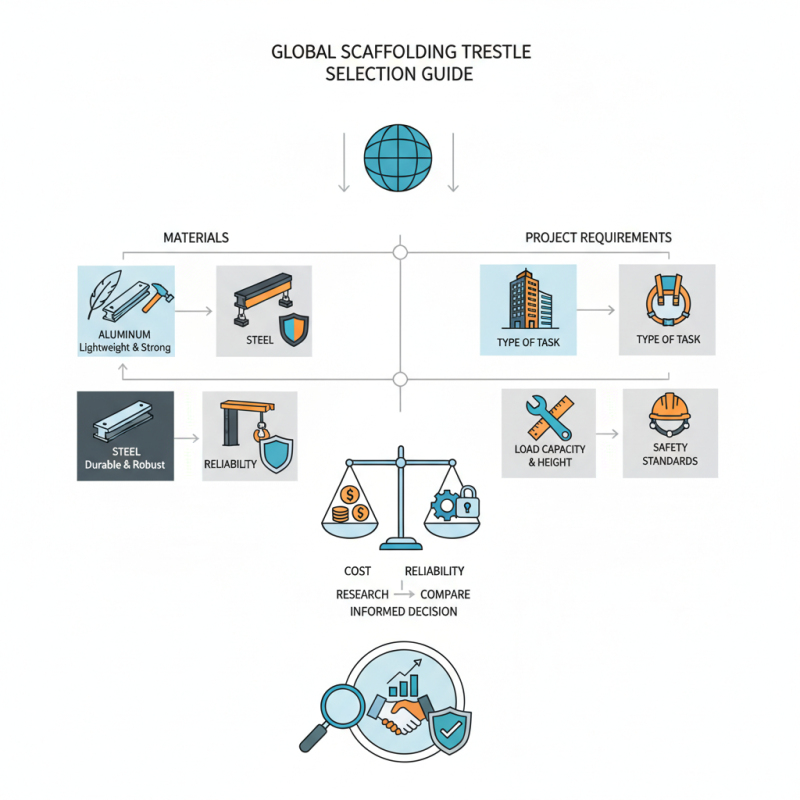
When choosing the best Scaffolding Trestle, global buyers face a complex market. There are various options available, each designed for specific tasks. A quality scaffolding trestle provides stability and safety on construction sites.
Understanding the materials used in scaffolding trestles is essential. Aluminum, for instance, is lightweight yet strong. Steel, on the other hand, offers durability. Buyers must consider their project's requirements when selecting.
While many brands claim superiority, not all deliver on promises. It's vital to research and compare products. Keep in mind that price does not always reflect quality. Making an informed decision ensures safety and efficiency in construction projects. Balancing cost and reliability is a challenge every buyer faces.
Scaffolding trestles are vital in construction and renovation projects. They provide temporary support for various tasks. Understanding their applications can enhance safety and efficiency on job sites.
These trestles come in various sizes and materials. They are often adjustable to suit different heights and requirements. Workers can use them for painting, drywall installation, or electrical work. However, not every trestle is suitable for heavy-duty use. Buyers must consider weight capacity and stability features carefully.
Some trestles are prone to wobbling if not set up correctly. This can lead to accidents and project delays. Buyers should also think about ease of transport and storage. Compact designs can save space on job sites. Investing in quality scaffolding trestles can yield long-term benefits. It's essential to weigh both cost and reliability before making a choice.
When selecting a scaffolding trestle, buyers should consider several key features. Stability is paramount. A trestle must support the weight of workers and materials safely. Look for designs with a wide base and robust locking mechanisms. These help prevent tipping, which is a common hazard on job sites.
Adjustability also plays a significant role. A good trestle should have height settings to accommodate various tasks. This adaptability enhances both safety and efficiency. Ease of assembly and disassembly is another feature to ponder. Complicated setups can waste time and frustrate workers. Ideally, your trestle should offer straightforward instructions and require minimal tools.
Material is crucial as well. Aluminum is lightweight yet strong, making it a popular choice. Steel, while heavier, often provides more durability. However, both materials can corrode if not properly maintained. Regular inspection of your trestle is necessary. Look for signs of wear, rust, or damage that could compromise safety. Remember, investing time in research can lead to significant long-term benefits.
This chart compares different scaffolding trestles based on key features important for buyers. Weight capacity, height, base width, material quality, and price are critical metrics to consider when selecting the best scaffolding trestle.
When considering scaffolding trestles for global markets, there are many options to explore. Each type has unique features and benefits. Many buyers prioritize stability and weight capacity to ensure safety during construction.
Aluminum trestles are lightweight and easy to transport, making them popular among international buyers. However, they may not provide the same durability as steel options. Steel trestles, while heavier, offer impressive strength and longevity. They are better suited for heavy-duty applications but can be cumbersome to move.
Another emerging option is composite trestles. These materials can be lightweight yet strong. They resist corrosion, an advantage in damp climates. However, some buyers may find their cost a barrier. Even within the same category, trestles vary in design and functionality. Assessing local regulations and market trends is crucial. Some regions may require specific certifications for safety. Overall, finding the right trestle often involves balancing performance, price, and practicality.
| Type | Material | Load Capacity (kg) | Height (m) | Weight (kg) | Price Range (USD) |
|---|---|---|---|---|---|
| Heavy-Duty Scaffold Trestle | Aluminum | 500 | 2.5 | 15 | 150 - 200 |
| Portable Scaffolding Trestle | Steel | 300 | 1.8 | 10 | 100 - 150 |
| Adjustable Scaffolding Trestle | Fiberglass | 250 | 2.0 | 12 | 80 - 120 |
| Industrial Scaffolding Trestle | Aluminum | 700 | 3.0 | 20 | 250 - 300 |
| Lightweight Scaffolding Trestle | Aluminum | 200 | 1.5 | 8 | 60 - 100 |
When considering scaffolding trestles, global buyers often seek the best options. The market features various top brands and manufacturers. Each company brings unique strengths to the table. These brands invest in research and development to ensure safety and durability. Their focus is on providing reliable products that meet international standards.
Manufacturers understand the diverse needs of construction projects. Many offer customizable solutions, addressing specific customer requirements. Buyers often report satisfaction due to the quality and performance of their products. However, not all brands can meet every expectation. Some may lack comprehensive support or adequate warranty options.
In the fast-evolving construction sector, innovation is crucial. A brand that adapts quickly to new technologies gains an edge. Customers value manufacturers that prioritize both safety and efficiency. In a competitive market, choosing the right scaffolding trestle becomes essential. It's not just about the product; it’s about the support and trust behind it.
Scaffolding trestles play a crucial role in construction. Safety standards and regulations ensure the protection of workers on these structures. In many regions, regulatory bodies outline guidelines that are essential for manufacturers and users. Understanding these standards can minimize risks.
The most commonly referenced guidelines include load-bearing capacity, stability, and materials used. For instance, trestles must withstand certain weight limits to prevent collapses. Also, they should feature anti-slip surfaces to enhance grip and safety. Inspecting these details regularly is vital. Failing to follow safety standards can lead to severe accidents.
Workers must be trained to use trestles correctly. Misuse can often occur due to lack of knowledge or haste. It’s important to continually assess safety practices on-site. Many accidents stem from overlooking minor details. Ensuring compliance with safety regulations is an ongoing process that requires diligence and attention.



For an immediate response, please call this
number08045801431

Price:
 Send Inquiry