
GST : 27AAFFV7667M1ZA

Call us
08045801431
Call us
08045801431

A cast iron casserole is a timeless kitchen tool. Chef Julia Morgan, an expert in culinary uses of cast iron, states, “A well-used cast iron casserole tells a story.” This statement highlights the unique experience of cooking with such a versatile piece. From stews to casseroles, these pots serve many purposes.
The durability of a cast iron casserole is unmatched. It withstands high temperatures, making it perfect for oven and stovetop use. Many home cooks appreciate how it retains heat evenly. However, improper care can lead to rust. It's crucial to season the pot regularly to maintain its non-stick surface.
Using a cast iron casserole requires some practice. Beginners may find it heavy and difficult to maneuver. The weight can be a challenge during cooking and cleaning. Yet, many passionate cooks embrace this slight imperfection. They know that the rewards exceed the effort when perfectly cooked meals emerge from their trusty cast iron casserole.
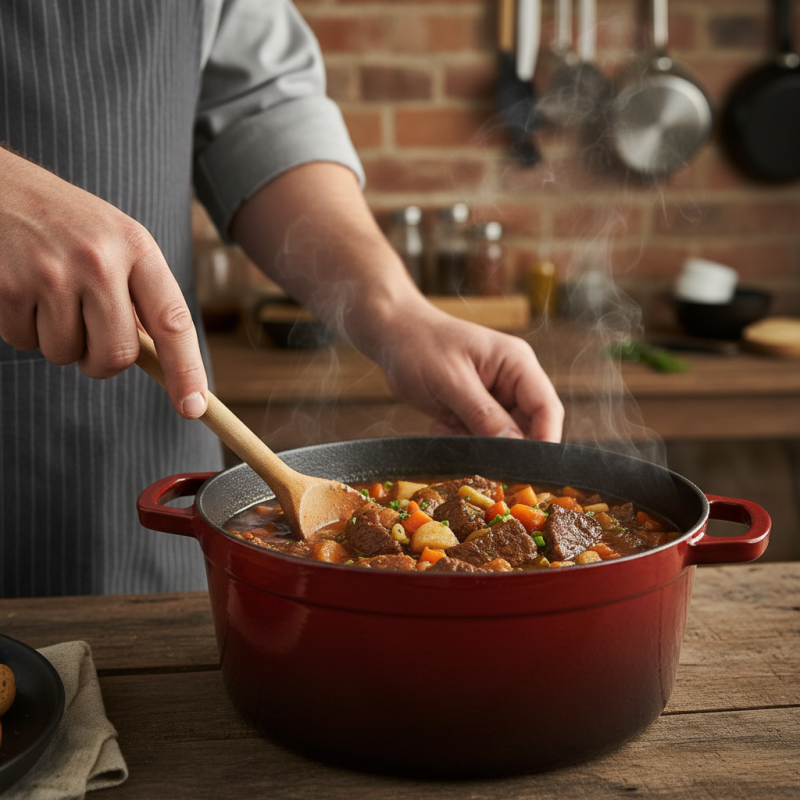
A cast iron casserole is a versatile cooking pot made from cast iron. Its thick walls retain heat well, ensuring even cooking. This cookware can be used on the stovetop or in the oven. Many people enjoy using it for slow cooking, braising, or baking. You can simmer a hearty stew or bake a delicious casserole.
Using a cast iron casserole requires care. Seasoning the pan is essential. This process creates a non-stick surface over time. Simply apply a thin layer of oil and bake it at a high temperature. With proper use, a cast iron casserole can last for generations, developing a rich patina.
However, it’s not without challenges. Food can stick if the seasoning isn't maintained. Cleaning requires some effort; avoid soap and harsh scrubbers. Instead, use hot water and a soft brush. If forgotten on the stove, it can rust. Learning to care for it takes time. Yet, these little struggles make it rewarding to use.
Cast iron cookware has a rich history that dates back to ancient times. The first known use of cast iron was in China around 500 BC. Artisans crafted pots and pans for cooking and storage. The material was durable and could withstand high temperatures. This made it ideal for various cooking methods.
In Europe, cast iron cookware gained popularity during the 18th century. It was used for everything from baking bread to frying meats. Blacksmiths produced skillets and Dutch ovens, making them essential in kitchens across the continent. However, the process was not always easy. Producing quality cast iron took skill and craftsmanship. Many pieces had flaws that needed addressing. This made some cooks hesitant to fully embrace cast iron.
Despite the challenges, cast iron was celebrated for its ability to retain heat. Today, people continuously rediscover its benefits. Using a cast iron casserole can feel daunting. It requires seasoning and care, but the results are often rewarding. Many find it enhances the flavors of their meals. This connection to tradition offers a comforting experience. Each cast iron piece tells a story, reflecting both past practices and modern culinary adventures.
| Attribute | Detail |
|---|---|
| Material | Cast Iron |
| History | Developed in China around 500 BC, popularized in Europe during the 18th century. |
| Heat Retention | Excellent heat retention and even cooking. |
| Usage Methods | Baking, roasting, frying, and slow cooking. |
| Maintenance | Seasoning to prevent rust and maintain non-stick properties. |
| Advantages | Durable, versatile, and improves with age. |
| Common Sizes | Range from 1 quart to 7 quarts. |
| Cleaning Method | Avoid soap; rinse with hot water and scrub with a brush. |
A cast iron casserole is a versatile kitchen tool. It excels in even heat distribution. This characteristic enhances cooking efficiency. Foods come out evenly cooked and flavorful. The heavy construction retains heat well, making it suitable for slow cooking. Dishes simmer gently, allowing flavors to meld beautifully.
Using a cast iron casserole offers numerous benefits. It adds a unique depth of flavor to meals. The seasoning that builds over time creates a non-stick surface. Cooking in cast iron also allows for higher temperatures. This is perfect for browning meats and baking. Additionally, it’s highly durable and can last for generations.
However, maintaining it requires some effort. Regular seasoning is needed to keep it in top condition. It can rust if not dried properly after washing. Occasionally, it may need a thorough cleaning to remove residue. Understanding these maintenance needs is essential for long-term use. With care, the advantages of a cast iron casserole far outweigh the drawbacks.
Using a cast iron casserole can elevate your cooking experience. These durable dishes distribute heat evenly, enhancing the flavors of your meals. According to a report by the American Ceramic Society, cast iron retains heat much longer than other materials. This feature is vital for slow-cooking recipes, allowing deep flavors to develop.
When using a cast iron casserole, seasoning is crucial. Properly seasoned cookware reduces sticking and enhances flavor. However, many home cooks overlook this step. A survey by the National Cooking Association reveals that only 45% of users regularly season their cast iron. This oversight can lead to a less enjoyable cooking experience.
Cleaning a cast iron casserole requires care. Avoid soap, as it can strip seasoning. Instead, use hot water and a stiff brush. Some users mistakenly assume they can use steel wool, which can scratch the surface. It's essential to dry the cookware immediately to prevent rust. Despite these challenges, the satisfaction of a perfectly cooked dish makes the effort worthwhile.
A cast iron casserole is a versatile kitchen tool. It can endure high temperatures and offers excellent heat retention. However, its care and maintenance are crucial for longevity. Research shows that well-maintained cast iron can last for generations. On average, users report an increase in cooking performance when they care for their cookware properly.
Cleaning cast iron requires special attention. Avoid soaking it in water. Instead, scrub it with a stiff brush and dry it immediately to prevent rust. It’s recommended to apply a thin layer of vegetable oil after each use. This helps maintain the seasoning. Many users fail to do this and end up with a rusty pot. Keep in mind, over time, the seasoning non-stick quality improves with regular use.
Storing your cast iron casserole also matters. A dry environment is essential. If moisture gets trapped inside, it can lead to unwanted corrosion. Additionally, some suggest placing a paper towel inside the pot to absorb any residual moisture. Ignoring this can result in unpleasant surprises when next used. This attention to detail is what separates a good cast iron casserole from a great one.
This chart displays the frequency of use for different types of cookware over the course of a week. The cast iron casserole is used approximately 4 times a week, emphasizing its popularity and versatility in cooking.



For an immediate response, please call this
number08045801431

Price:
 Send Inquiry