How to Choose a High Efficiency Charger for Your Needs?
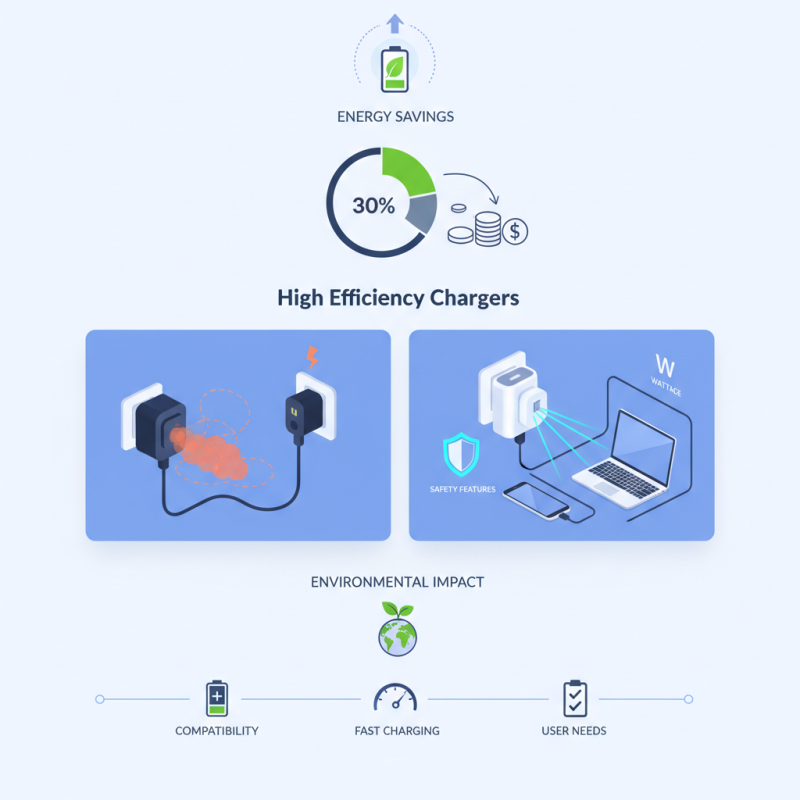
In today's fast-paced world, choosing a high efficiency charger is crucial. With the demand for energy-efficient devices rising, reports indicate that high efficiency chargers can save users up to 30% on energy costs. This statistic highlights the significant financial impact of selecting the right charger.
Many consumers overlook the importance of charger's efficiency. A report from the International Energy Agency shows that over 50% of mobile and electronic chargers are inefficient. As a result, these devices not only waste energy but may also shorten the lifespan of your electronics.
Understanding various charging technologies is vital. For instance, USB-C Power Delivery (PD) can deliver higher power more efficiently than traditional chargers. However, selecting a high efficiency charger involves examining factors like wattage, compatibility, and safety features. Balancing these aspects can be challenging. Users must reflect on their specific needs and the environmental impact of their choices.
Understanding Charger Efficiency and Its Importance
Charger efficiency is crucial for both performance and sustainability. High efficiency means less energy loss during transformation from wall outlet to device. According to the U.S. Department of Energy, chargers waste about 10-15% of energy. This inefficiency not only raises electricity costs but also contributes to environmental degradation. Choosing a high-efficiency charger can significantly reduce these losses.
A high-quality charger generally has an efficiency rating above 80%. By improving efficiency, consumers can lower their energy bills. For instance, over a year, a small reduction can result in notable savings. Moreover, efficient chargers often have better thermal management, leading to longer lifespan and improved device safety. Yet, the market is flooded with options, making it difficult to select the right one.
Many users overlook the importance of efficiency. A lower-priced charger may seem appealing but might have hidden costs related to power waste and device longevity. It's essential to research and understand efficiency ratings. Familiarizing oneself with industry standards can prevent regrets later. Consumers must reflect on their choices to ensure they're not just saving upfront costs.
How to Choose a High Efficiency Charger for Your Needs?
| Charger Type | Efficiency Rating | Output Power (W) | Key Features | Ideal Use Case |
| Standard Charger | 80% - 85% | 5 - 20 W | Basic functionality, no advanced features | Small electronics (phones, low-power devices) |
| Fast Charger | 85% - 90% | 20 - 50 W | Quick charge technology, heat management | Smartphones, tablets, mid-power devices |
| Ultra-Fast Charger | 90% - 95% | 50 - 100 W | Advanced cooling, multi-device charging | Laptops, high-power devices, gaming consoles |
| Solar Charger | 15% - 25% | 10 - 100 W | Eco-friendly, portable, variable output | Outdoor, camping, emergency use |
Identifying Your Device's Charging Requirements
Identifying your device's charging requirements is crucial when choosing a high efficiency charger. Each device has unique power needs. Understanding these needs will help you select the right charger. For instance, smartphones typically require 5V and 1-2A. Tablets need more power, often around 5V and 2-3A. Knowing these specifications ensures optimal charging speeds.
Tips: Check your device's user manual. It usually lists the charging voltage and current. Using a charger with the correct output can prevent overheating. Always consider the charging method. Wireless chargers, for instance, are convenient but often less efficient. Using USB-C may provide faster charging for modern devices. Be cautious with older chargers, as they might not meet your device’s requirements.
Not all chargers are created equal. Look for certifications that guarantee safety and efficiency. Sometimes, third-party chargers can be unreliable. They might not provide adequate protection for your device. Research and read reviews before making a choice. Investing time in understanding your device's needs pays off in the long run. This way, you can avoid damaged batteries and prolong your device's life.
Comparing Different Charger Technologies and Standards
When selecting a high-efficiency charger, it’s important to understand the various technologies available. One popular standard is USB Power Delivery (USB-PD). This technology allows for faster charging by negotiating optimal power levels between the charger and device. It typically supports voltages up to 20V and currents up to 5A, enabling quick charging for compatible devices.
Another technology is Qi wireless charging. While convenient, it often delivers slower power transfer compared to wired options. Users may find the charging efficiency varies based on the alignment of the device and the charger. Also, not all Qi chargers are created equal; some may offer lower wattage outputs, which could lead to longer charge times.
Lastly, consider fast charging protocols like Qualcomm Quick Charge. This standard works by increasing voltage, reducing charging time for supported devices. However, it's key to note that using fast charging can generate more heat, which might impact battery longevity. Always evaluate your device compatibility and charging habits before settling on the best option for your needs.
Evaluating Compatibility with Your Devices
When selecting a high-efficiency charger, compatibility with your devices is vital. Start by checking the specifications of your devices. Many modern gadgets require specific voltage and amperage to charge efficiently. This ensures optimal performance and safety. If the charger cannot meet these requirements, it may not work effectively.
Next, consider the connectors. Different devices use various connector types. Ensure that the charger you choose supports your device's port. Adapters can be handy, but they sometimes lead to inefficiencies or slower charging times. It may be worth investing in a dedicated charger that directly fits your device.
Finally, reflect on your usage patterns. If you have multiple devices, look for chargers that can handle several at once. This can save space and simplify your charging routine. However, be cautious. A multi-device charger may not provide the same speed as individual chargers. Balance convenience with performance to find the best option for your daily needs.
Tips for Selecting the Right Charger for Optimal Performance
Choosing the right charger can significantly impact your device's performance and lifespan. When selecting a charger, consider the power output. A higher wattage charger can charge devices faster, but it’s important to check compatibility. Overloading devices can lead to damage. Look for chargers that offer multiple voltages. This versatility allows for optimal charging depending on your device.
Another crucial factor is the efficiency rating. Chargers with higher efficiency ratings waste less energy, which is better for the environment. Check for certifications that indicate energy compliance. These labels help ensure that the charger performs reliably. Additionally, the build quality matters. A sturdy charger may withstand wear and tear better than cheaper options. But don't ignore design; a compact charger is often easier to carry.
It's also essential to assess your usage needs. If you frequently travel, consider a lightweight option. If you rely on multiple devices, a multi-port charger might be your solution. These details may seem minor, but they can significantly affect your charging experience. Reflect on your habits and preferences. This analysis can guide you in selecting a charger that truly meets your needs.




 Send Inquiry

