Choosing a Metal Sanding Machine in 2026 requires more than comparing motor power and catalog prices. In a busy fabrication shop, the wrong machine can leave deep swirl marks, overheat thin sheet, or waste hours in rework. A practical decision starts with the material, finish standard, production volume, and available floor space. Stainless steel behaves differently from mild steel and aluminum. That detail matters. Operators also need honest information about dust extraction, belt tracking, abrasive replacement, and noise. These points often receive less attention than headline speed.
This guide focuses on evidence that can be checked before purchase. We will examine abrasive width, feed control, contact rollers, automation, energy use, and maintenance access. Manufacturer data is useful, but it should not stand alone. Ask for sample testing with your actual parts. Inspect the finish under bright, angled light. Measure consistency across several pieces, not just one polished demonstration panel. Experienced technicians can reveal problems that brochures omit, such as difficult belt changes or unstable pressure on welded surfaces.
The best Metal Sanding Machine is not always the fastest or most expensive model. It should match your process and remain predictable after months of use. Warranty terms, spare-part availability, training, and service response deserve equal attention. A small workshop may value flexibility, while a high-volume line may need repeatable automation. There is no perfect specification sheet. Even careful buyers can misjudge future demand. Use this guide to question assumptions, compare verifiable performance, and choose equipment that improves finish quality without creating hidden operating costs.
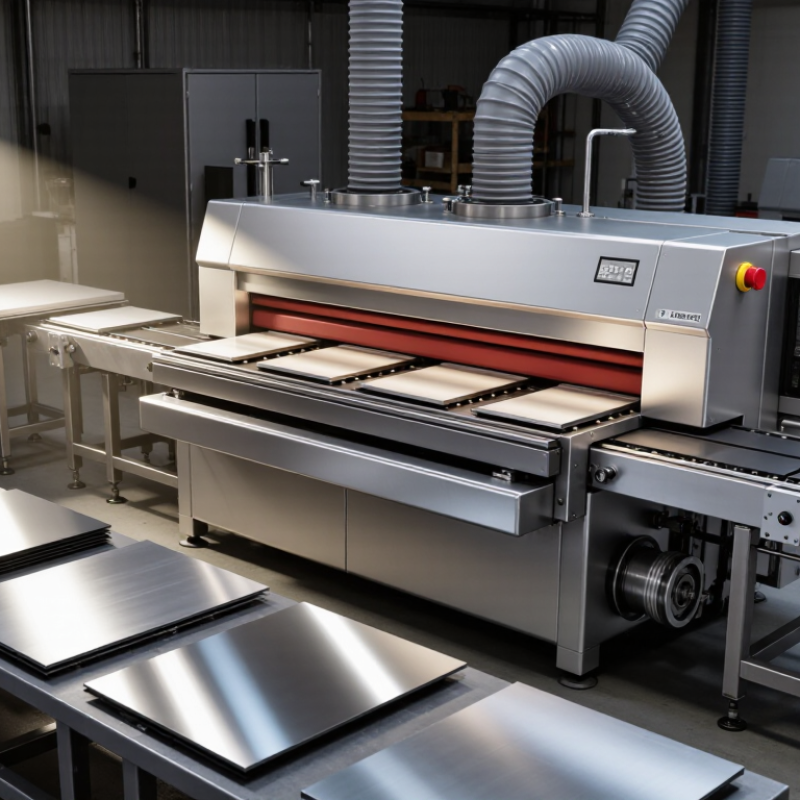
Metal sanding machines remove burrs, weld marks, oxidation, and uneven edges from fabricated parts. Their main applications include surface preparation, deburring, blending, and final finishing. A belt machine suits flat steel plates, brackets, and long weld seams. A disc or combination machine offers better control for smaller components and curved edges.
Material choice matters. Steel usually tolerates stronger pressure, while aluminum can clog abrasive belts quickly. Stainless steel needs controlled heat to prevent discoloration. Variable speed helps operators match the abrasive action to the metal and desired finish. In practical workshop testing, I check vibration, belt tracking, dust collection, and access to replacement abrasives. A machine may look powerful, yet poor tracking can waste material and damage edges.
Choose the machine around your largest routine part, not an occasional project. Confirm the working width, motor power, adjustment range, and extraction connection. Use a coarse abrasive for stock removal and a finer grade for visible surfaces. Keep pressure moderate. Excessive force often creates heat, uneven lines, and premature belt wear. Inspect guards and emergency controls before operation. I once selected a machine mainly for speed, then found its narrow table slowed production. That mistake still influences my evaluations. Perfect specifications do not replace a realistic trial with your own materials.

Begin with the metal, not the machine. Mild steel removes material quickly, but stainless steel generates heat and may discolor. Aluminum can clog abrasive surfaces unless the system supports non-loading abrasives. I once underestimated this difference and replaced belts far too often.
Define the finish in measurable terms. A rough weld cleanup needs aggressive stock removal and strong belt support. A brushed surface requires consistent grain direction, controlled pressure, and stable speed. If the target is a smooth, reflective finish, inspect sample panels under bright, angled light. A surface may look finished indoors yet reveal deep scratches later.
Production volume changes the decision. Occasional fabrication may suit a compact machine with adjustable speed and simple maintenance. Continuous production needs a rigid frame, reliable dust extraction, accessible abrasive changes, and a duty cycle matching daily use.
Measure parts per hour, average contact time, and operator handling before comparing power ratings. More power is not always better. Excessive pressure can round edges, overheat thin sheet, and shorten abrasive life.
Test the exact material and thickness whenever possible. Record removal rate, surface temperature, noise, and abrasive consumption. Check whether the machine maintains pressure across wide panels and narrow edges. A short trial can mislead, especially when operators use different techniques. Review guarding, emergency controls, extraction requirements, and service access against current workplace rules. Leave room for error. Real production is rarely as tidy as the quotation.
Choosing a metal sanding machine in 2026 starts with the workpiece, not the machine’s advertised speed. Belt sanders suit long, flat edges and quick stock removal. Disc sanders offer better control on smaller surfaces. Wide-belt machines support repeated production, but they need more floor space and careful alignment. For tubes, corners, or irregular parts, a compact orbital or tube-finishing machine may be more practical. I once selected a powerful unit for a small fabrication area. It worked well, but its size slowed every setup.
Abrasive choice changes the result sharply. Ceramic grains remove hardened steel quickly and stay effective under pressure. Zirconia works well for general grinding and costs less in many applications. Fine aluminum oxide can produce a cleaner finish on softer metals. Match the abrasive grit to the task. Coarse belts remove weld marks; finer grits reduce visible scratches. Test on scrap first. Heat is easy to overlook.
Power should match material thickness, pressure, and daily workload. Excess power can burn edges or overload inexperienced operators. Variable-speed control is valuable when finishing stainless steel or thin sheet. Look for accessible emergency stops, dust extraction compatibility, belt tracking adjustment, and clear overload indicators. These controls improve repeatability and reduce guesswork. However, electronic features can fail. I prefer machines with simple manual adjustments and documented maintenance procedures. A reliable choice leaves clean edges, stable finishes, and enough room for safe handling.
Choosing a metal sanding machine in 2026 requires more than comparing motor power. Safety, maintenance, workspace, and operating costs decide its real value. The U.S. Bureau of Labor Statistics recorded 2.6 million nonfatal workplace injuries and illnesses in private industry during 2023. That figure makes guarding and operator access practical buying concerns. OSHA 29 CFR 1910.215 requires guarded abrasive wheels, suitable work rests, and correctly adjusted tongue guards. Check these features physically.
Measure the machine beside your actual workbench. Leave space for belt changes, emergency stops, filter removal, and material handling. A narrow aisle can make routine maintenance awkward and unsafe. The National Institute for Occupational Safety and Health recommends controlling airborne hazards at the source. Therefore, verify local exhaust performance under realistic loads. Ask for dust and noise measurements, not vague marketing averages. They may not match your workshop.
Calculate cost per working hour, not purchase price. Include abrasives, filters, electricity, inspections, labor, and unplanned downtime. The U.S. Department of Energy’s Improving Compressed Air System Performance sourcebook reports that leaks can waste 20–30% of compressor output. Pneumatic sanding may become costly when neglected. Compare motor input in kilowatts with your expected duty cycle. A maintenance plan should track wheel balance, belt wear, guarding, and extraction pressure. I would also budget for operator mistakes. Filters can clog earlier than expected, and overloaded motors may shorten service life. The cheapest machine can lose its advantage quickly.
| Machine Type | Typical Use | Typical Motor Power | Approx. Footprint | Typical Noise Level | Main Safety Requirements | Routine Maintenance | Estimated Purchase Range | Estimated Operating Cost* | Workspace Suitability |
|---|---|---|---|---|---|---|---|---|---|
| Belt Sander | Fast stock removal, weld blending, edge rounding, and surface preparation on flat or large parts. | 1.5–5.5 kW | 0.8–2.0 m² | 80–95 dB(A) | Guarded belt, adjustable work rest, emergency stop, spark control, eye and hearing protection, and suitable dust extraction. | Inspect belt tracking, replace worn belts, clean vents, check bearings, and inspect guards and electrical controls. | US$1,000–8,000 | US$3–10/hour | Medium to large workshops |
| Disc Sander | Controlled sanding of small and medium components, angle work, deburring, and finishing. | 0.75–3.0 kW | 0.5–1.2 m² | 75–90 dB(A) | Fully enclosed disc area, adjustable table, workholding for small parts, eye protection, and spark management. | Replace discs, clean the table and vents, inspect the spindle, and check fasteners and guards. | US$700–5,000 | US$2–7/hour | Small to medium workshops |
| Combination Belt and Disc Sander | General-purpose deburring, edge finishing, weld cleanup, and small-batch fabrication. | 0.75–2.2 kW | 0.4–1.0 m² | 78–92 dB(A) | Separate guards for belt and disc, stable base, emergency stop, spark containment, and local extraction where required. | Change abrasive media, clean dust passages, inspect belts, lubricate only as specified, and check alignment. | US$600–4,000 | US$2–8/hour | Space-limited workshops |
| Backstand Belt Grinder | High-volume grinding, weld removal, heavy deburring, and fabrication of structural metal parts. | 3.0–11 kW | 1.0–2.5 m² | 85–100 dB(A) | Heavy-duty guarding, secure work rest, spark arrestor, coolant or spark-control system where appropriate, extraction, and strict PPE use. | Frequent belt changes, tracking adjustment, bearing inspection, dust removal, guard checks, and electrical inspections. | US$2,000–15,000 | US$5–16/hour | Production workshops |
| Wet Belt Sander | Finishing stainless steel, aluminum, and heat-sensitive materials while reducing airborne dust and discoloration. | 2.2–7.5 kW | 1.2–3.0 m² | 78–92 dB(A) | Electrical protection for wet areas, proper drainage, slip control, splash guards, coolant handling, and compatible PPE. | Replace and filter coolant, clean the tank, inspect pumps and hoses, replace belts, and prevent corrosion. | US$4,000–25,000 | US$5–15/hour | Workshops with drainage |
| Wide-Belt Finishing Sander | Consistent finishing and deburring of flat sheets, plates, and repeated production components. | 7.5–30 kW | 4–12 m² | 82–100 dB(A) | Interlocked enclosure, emergency stops, automatic belt tracking, guarding at infeed and outfeed, extraction, and hearing protection. | Inspect rollers, tracking systems, contact wheels, filters, belts, sensors, and conveyor alignment on a scheduled basis. | US$20,000–120,000+ | US$12–35/hour | Industrial production areas |
Selecting the right metal sanding machine requires more than comparing prices and motor power. In real workshops, I test machines with the actual steel grades, thicknesses, and surface defects we commonly handle. A machine that performs well on a showroom sample may struggle with heat buildup, uneven pressure, or abrasive wear during a full shift. Check belt tracking, dust control, vibration, noise, and finish consistency. Measure results with the same operator and material whenever possible.
Supplier assessment matters just as much. Request test records, maintenance schedules, component specifications, and clear warranty terms. Ask how quickly technical support responds to faults. Speak with existing users if possible, especially those running similar production volumes. A reliable supplier should explain limitations honestly, not promise perfect results. I once accepted an impressive demonstration without checking abrasive replacement costs. That decision made the machine less economical than expected.
Tips: Test before buying. Use your own metal samples. Record power use, cycle time, surface temperature, and consumable life. Inspect a finished panel under bright, angled light. Small scratches can disappear under flat lighting. Compare at least two suppliers using identical criteria. Leave room for uncertainty; operator skill and material variation can change results.
For an immediate response, please call this
number08045801431
Price:
