How to Choose the Best AC Cooler Pump for Your Needs?
When choosing the right Ac Cooler Pump, it's essential to consider various factors. According to industry expert Sarah Thompson, "Selecting the right AC cooler pump can significantly impact energy efficiency and cooling performance." Her insights highlight the importance of making an informed decision.
AC cooler pumps help maintain optimal temperatures in various settings. Their efficiency varies based on design, capacity, and application. However, not all pumps are suitable for every situation. It's crucial to understand your specific cooling needs to avoid costly mistakes.
Many users overlook the pump's compatibility with their existing systems. This can lead to inefficiencies and higher energy bills. Researching features like flow rate, noise level, and durability ensures a better fit. Reflecting on your long-term needs could prevent future regrets in your AC pump decision.
Understanding the Different Types of AC Cooler Pumps Available
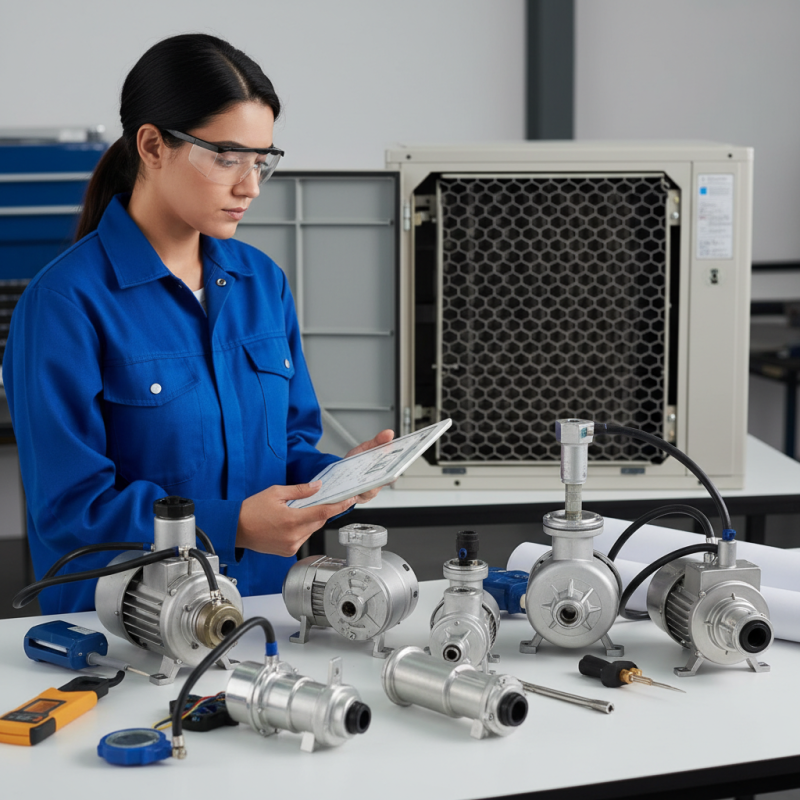
When selecting an AC cooler pump, understanding the various types available is essential. There are primarily three types: centrifugal, diaphragm, and submersible pumps. Centrifugal pumps are renowned for their efficiency in moving large volumes of water. According to a recent industry report, these pumps can deliver flow rates exceeding 5,000 liters per hour, making them ideal for large cooling systems.
Diaphragm pumps are versatile and often used in smaller applications. They can handle various fluids and provide excellent chemical resistance. Their flow rates can vary significantly, ranging from 250 to 1,500 liters per hour, depending on the model. For users focused on energy efficiency and lower operational costs, diaphragm pumps might warrant consideration.
Tip: Consider the specific requirements of your cooling system. If you need high flow rates, centrifugal pumps might be preferable. However, for compact spaces, diaphragm pumps could be more suitable.
Submersible pumps, designed to operate underwater, are also worth mentioning. They are critical in applications requiring consistent water intake from deeper sources. Users should evaluate the installation requirements and potential maintenance challenges associated with submersible pumps.
Tip: Always assess the pump’s compatibility with your existing system. Failure to do so can lead to inefficiencies and increased energy consumption. With the right information and consideration, you can select an AC cooler pump that meets your needs effectively.
Key Features to Consider When Selecting an AC Cooler Pump
When selecting an AC cooler pump, it's essential to consider several key features. Start with the pump's capacity and flow rate. The right flow rate for your space will affect overall efficiency. Data shows that pumps with a flow rate between 1000 to 3000 gallons per hour are adequate for most residential applications. However, larger areas may require increased capacity for optimal cooling.
Next, examine the materials used in the pump's construction. High-quality materials enhance durability and efficiency. For example, pumps made from corrosion-resistant materials tend to last longer and perform better under varying temperatures. According to industry reports, pumps with high-grade bearings and seals can increase the lifespan by up to 30%.
Noise levels are also a crucial aspect to consider. Some models can be surprisingly silent, while others generate excessive noise. Research indicates that quieter models significantly improve user satisfaction. Look for specifications that list noise levels, typically expressed in decibels (dB). A noise level below 60 dB is ideal for residential areas. This way, you ensure that the cooling process does not become a disturbance in your home or workspace.
Assessing Your Cooling Needs and Space Requirements
When assessing your cooling needs, start by understanding the size of your space. A common rule suggests that for every 100 square feet, you need about 20-30 BTUs for adequate cooling. This data points to the necessity of proper airflow and capacity in AC cooler pumps. If your space is larger, such as an open-plan design, consider units that can disperse cool air more efficiently, often needing higher CFM ratings to ensure even distribution.
Beyond size, evaluate the climate in your area. Humid climates require pumps with enhanced dehumidification features. A study revealed that 60% of homeowners are unaware of how humidity levels affect their cooling choices. Thus, integrating a suitable pump can greatly impact comfort. Additionally, consider the energy efficiency rating of the pump. Look for models with higher SEER ratings, as they provide greater cooling for less energy, saving costs in the long run.
Reflect on your own needs as well. If you often have guests or require extra cooling in certain rooms, a multi-zone setup might be more effective. However, this adds complexity and might necessitate professional installation. Remember, there is no perfect solution. Assessing both space and environmental factors ensures you choose a pump that genuinely meets your unique needs.
Evaluating Energy Efficiency and Operating Costs
When choosing an AC cooler pump, energy efficiency stands out as a crucial factor. A study by the U.S. Department of Energy shows that 45% of energy use in homes comes from heating and cooling systems. Selecting a pump with a high Energy Efficiency Ratio (EER) can significantly reduce electricity bills. For example, a pump with an EER of 12 can save up to $300 annually compared to a model with an EER of 8.
Operating costs also vary among different pumps. Factors like installation, maintenance, and energy consumption can add up. According to a report from the American Council for an Energy-Efficient Economy, inefficient systems might incur additional operational costs exceeding $500 over five years. Choosing an AC cooler pump mindfully can lessen this financial burden.
While many users opt for high-capacity pumps, they might overlook their energy consumption. Some users report dissatisfaction due to unexpectedly high operating costs. Understanding the balance between cooling power and energy use is essential. Regular assessments of efficiency can reveal weaknesses in performance, guiding users to make smarter choices.
How to Choose the Best AC Cooler Pump for Your Needs? - Evaluating Energy Efficiency and Operating Costs
| Model | Energy Efficiency (SEER) | Power Consumption (W) | Estimated Annual Operating Cost ($) | Water Flow Rate (GPH) | Noise Level (dB) |
| Model A | 16 | 250 | 120 | 500 | 45 |
| Model B | 18 | 220 | 100 | 600 | 40 |
| Model C | 14 | 280 | 150 | 400 | 50 |
| Model D | 20 | 210 | 90 | 650 | 38 |
Maintenance Tips for Prolonging the Life of Your AC Cooler Pump
When it comes to maintaining your AC cooler pump, regular checks are essential. Research indicates that proper maintenance can extend the lifespan of your pump by up to 30%. Start with cleaning the air filters at least monthly. Clogged filters reduce efficiency. They can also cause strain on the motor, leading to premature failure.
Water management is another crucial aspect. Ensure the pump’s water reservoir is free from debris and excess minerals. Reports show that mineral buildup contributes to up to 15% of failures in AC systems. Regularly checking and cleaning the pump's basin helps prevent these issues. Vacuum any sludge out, and replace the water if necessary.
Keep an eye on electrical connections as well. Loose or worn-out wires can cause shorts, compromising performance. Inspect connections every few months. If you notice signs of wear, replace them promptly. Remember, investing time in maintenance will save you costs on repairs or replacements in the long run. Neglecting these simple steps can lead to larger problems down the road.




 Send Inquiry

