How to Choose the Right Delivery Truck for Your Business?
Choosing the right delivery truck can greatly impact your business's efficiency and bottom line. Industry expert Mark Johnson, a logistics consultant, emphasizes, “Selecting the right delivery truck isn’t just a choice; it’s a strategic move.” For businesses focusing on delivery, this decision is critical, influencing routes, costs, and customer satisfaction.
Understanding specific needs is vital. Businesses vary in size and demand. A small bakery may need a compact truck for local deliveries, while a larger retail operation may require multiple larger vehicles. Think about your typical load size, delivery radius, and fuel efficiency. These factors will guide you toward the ideal delivery truck.
Additionally, it’s essential to consider the truck's maintenance and operational costs. A fuel-efficient model may be attractive, yet hidden costs can arise. Reflect on your choices. Will that larger truck genuinely increase profitability, or will it burden your finances? Ensuring that your delivery truck aligns with your business goals is crucial for sustainable growth.
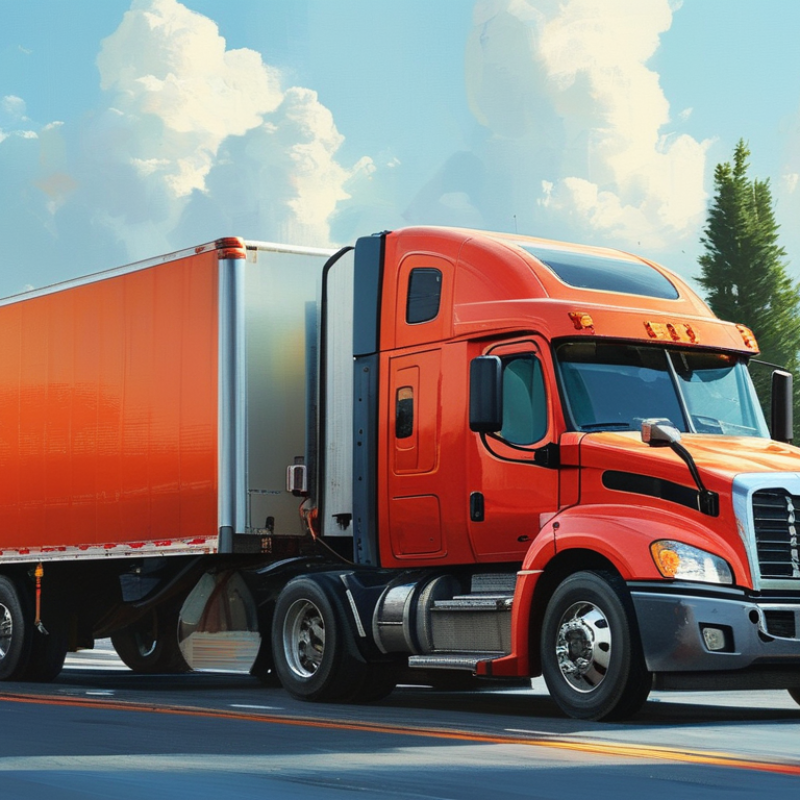
Identifying Your Business Delivery Needs and Requirements
Identifying your business delivery needs is crucial. Consider the types of goods you transport. Heavy items require robust trucks, while perishable goods need temperature control. According to the American Trucking Associations, 70% of freight in the U.S. is moved by trucks. This statistic highlights the importance of choosing an appropriate vehicle.
Think about your delivery range. Local deliveries may need smaller trucks, but long-haul trips might require larger ones. A report by IBISWorld states that businesses that analyze their delivery requirements can reduce costs by up to 15%. This emphasizes the need for a tailored approach in selecting vehicles.
Evaluate your budget as well. Sometimes, a more expensive truck may save money on fuel and maintenance in the long run. Understand vehicle specifications. Many businesses overlook this, leading to underperformance. Assess local regulations too. Compliance is non-negotiable, and oversight can lead to fines. Prioritize your needs to make an informed choice.
Evaluating Different Types of Delivery Trucks Available
Choosing the right delivery truck for your business can be a daunting task. The market offers various types, each with unique specifications. For instance, light-duty trucks typically handle payloads up to 6,000 pounds. They are ideal for local deliveries and essential for urban environments where maneuverability is key.
Medium-duty trucks, on the other hand, have a payload capacity ranging from 6,001 to 26,000 pounds. According to industry reports, companies often prefer these trucks for regional distribution, as they strike a balance between capacity and fuel efficiency. However, they demand a higher operating cost. The decision may hinge on your delivery volumes, routes, and the type of goods being transported.
Heavy-duty trucks are designed for long hauls and significant loads, exceeding 26,000 pounds. While they offer unmatched capacity, the increased expense is noteworthy. Businesses must evaluate if the volume justifies the investment. A 2022 analysis by the American Trucking Associations indicated that nearly 20% of small businesses misjudged their trucking needs. This emphasizes the need for careful consideration. Each type serves a purpose, but knowing your business's specific requirements is crucial in making the right choice.
Considering Fuel Efficiency and Maintenance Costs
Choosing the right delivery truck for your business hinges significantly on fuel efficiency and maintenance costs. According to industry reports, fuel expenses can account for nearly 30% of a business's operating costs. This makes it crucial to select a vehicle that optimizes fuel economy. For instance, trucks with diesel engines often achieve 15-25% better fuel efficiency compared to their gasoline counterparts. In urban settings where stop-and-go driving is common, lighter models tend to outperform heavier trucks, delivering better miles per gallon.
In terms of maintenance, the average annual cost for truck upkeep can range from $2,000 to $12,000, influenced heavily by the truck's make and model. Regular maintenance helps in lowering these costs. For example, sticking to a strict service schedule can extend the lifespan of components and preserve fuel efficiency. Regular oil changes and tire rotations can also prevent costly repairs down the line.
Tip: When assessing fleets, calculate the total cost of ownership. This includes not just the purchase price but also fuel and maintenance. Another tip is to consider buying used trucks. They often come at a reduced initial cost and with lower depreciation rates, though ensure to check their service history carefully. Evaluating these factors will set your business on a path to greater financial stability.
Fuel Efficiency and Maintenance Costs of Delivery Trucks
Understanding Load Capacity and Size Constraints
Choosing the right delivery truck for your business involves understanding load capacity and size constraints. Load capacity refers to the maximum weight a truck can carry. This is crucial for ensuring safety and compliance with regulations. An overloaded truck can lead to accidents, fines, and damage to goods. It's important to calculate the combined weight of your cargo, drivers, and any equipment you may have onboard.
Size constraints also play a key role in selection. A truck that's too large may not fit in urban areas or limited space for parking. Think about your delivery locations. Are they tight streets or spacious warehouses? A smaller truck may be more maneuverable in such situations. However, smaller trucks often have lower load capacities. Finding a balance that meets both capacity and size needs is essential.
Take time to evaluate your specific logistics requirements. This can be challenging. You might think a large truck is ideal, only to find it cumbersome. Assess how frequently you’ll need to deliver larger loads versus smaller ones. Your choice should reflect actual usage, not assumptions.
Assessing Vehicle Features for Specific Business Operations
When selecting a delivery truck, understanding your specific business needs is crucial. The features of the vehicle can significantly impact efficiency. For instance, the payload capacity should match the average weight of your shipments. A report by the American Transportation Research Institute highlights that trucks with optimized payload capacities can reduce fuel consumption by up to 15%. Therefore, choosing the right size is fundamental.
Consider the truck’s fuel efficiency as another important feature. According to the U.S. Department of Energy, a truck with better gas mileage can save companies thousands annually on fuel costs. However, fuel efficiency might come at the expense of cargo space. Finding a balance between these features requires careful thought and analysis. Many businesses overlook this aspect, leading to increased operational costs and inefficiencies.
Additionally, vehicle maintenance plays a pivotal role in the longevity of your delivery trucks. A well-documented study from the Commercial Vehicle Safety Alliance states that regular maintenance can prevent up to 82% of breakdowns. Ignoring maintenance can lead to unexpected downtime and loss of revenue. Thus, incorporating a maintenance plan into your truck selection process is essential for reliability and cost management.




 Send Inquiry

