How to Choose the Right Electric Forklift Battery for Your Business?
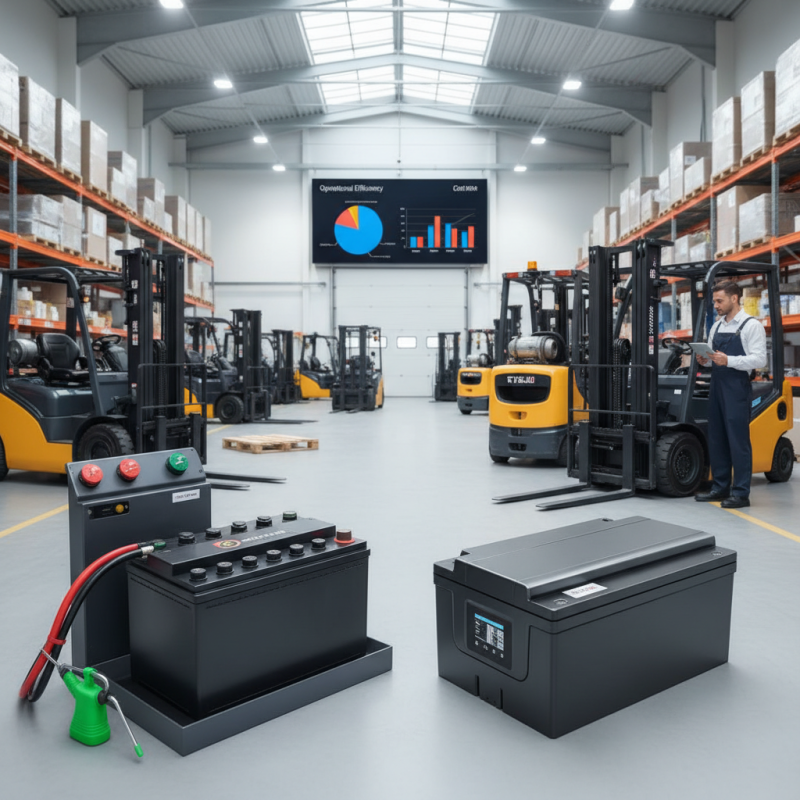
Choosing an appropriate Electric Forklift Battery is a critical decision for any business. The right battery can enhance operational efficiency and reduce costs. With various types available, understanding their differences is essential.
Businesses must evaluate their specific needs. Consider the size of the fleet and the average load capacity. Each battery type offers unique advantages and challenges. For example, lead-acid batteries provide reliability but require regular maintenance. Conversely, lithium-ion batteries deliver longer life and quicker charging.
Investing in an Electric Forklift Battery is not just a financial decision; it impacts productivity and safety. Reflecting on your business’s requirements will guide you toward making an informed choice. Conduct thorough research and consult with industry experts to navigate this complex landscape effectively.
Understanding Different Types of Electric Forklift Batteries
When selecting an electric forklift battery, understanding the different types is crucial. There are several battery options available, each with unique features. The most common types are lead-acid, lithium-ion, and nickel-cadmium batteries.
Lead-acid batteries are widely used due to their affordability. They require regular maintenance and have a lower energy density. However, they can be heavy, impacting forklift performance. They might not be ideal for businesses requiring frequent lifting operations.
Lithium-ion batteries offer longer life and quicker charging. They are lightweight and require minimal maintenance. This option is often appealing for companies focused on efficiency. On the downside, upfront costs can be higher. Companies should assess their budgets and operational needs before making a decision.
Tip: Evaluate your operation’s intensity. If you have heavy daily usage, invest in a durable option.
Consider how often the forklift needs charging. Short shifts may benefit from a lead-acid battery, while longer shifts might require lithium-ion.
Tip: Reflect on your workforce's training. Ensure that staff understands battery maintenance and charging protocols.
The choice of battery impacts overall performance and operational costs. Understanding these differences allows businesses to make informed decisions.
Evaluating Your Business's Power Requirements and Usage Patterns
When selecting an electric forklift battery, understanding your power requirements is essential. Start by assessing how often your forklifts operate daily. According to industry data, a typical electric forklift may run between 4 to 8 hours on a single charge. However, high-demand environments might require more frequent charging. In such cases, opportunities for fast charging and battery swapping should be evaluated.
Next, consider the intensity of usage patterns. A busy warehouse may require batteries that can handle high cycle counts. A study by the Material Handling Industry of America (MHIA) indicates that a battery designed for heavy use can reach 1,500 cycles or more. This is crucial in preventing downtime and ensuring productivity. It's also important to take into account the weight capacity your forklifts need. Different batteries weigh significantly differently, impacting the overall lifting capacity.
Lastly, reflect on the charging infrastructure already in place. Are you equipped for rapid recharging, or do you rely on overnight charging? Understanding these nuances will not only help in choosing the right battery but also optimize the total cost of ownership. Regular assessments of these factors can lead to informed decisions that elevate operational efficiency.
Factors Influencing Battery Life and Maintenance Needs
When selecting an electric forklift battery, understanding factors that influence battery life is crucial. Temperature is a major factor affecting performance. High heat can cause batteries to degrade quickly, while very low temperatures impact efficiency. Choose a battery that suits your operating environment to optimize longevity.
Maintenance needs are also vital. Regularly checking fluid levels and terminal connections can prolong battery life. A clean and dry environment helps minimize corrosion. Additionally, improper charging practices can lead to reduced capacity. Overcharging may be tempting, but it causes damage over time.
Consider your operational demands. If your business requires constant use, you may need a battery with a higher discharge rate. Evaluate how often you can recharge and whether you'll need fast charging capabilities. These choices will directly impact the lifespan and reliability of your battery. Be ready to adapt as your needs change. Observing these factors can help avoid costly mistakes down the line.
Comparing Cost and Efficiency of Battery Options
When choosing an electric forklift battery, cost and efficiency become crucial factors. A battery is a significant investment for any business, impacting both operational costs and productivity. Various types of batteries, such as lead-acid and lithium-ion, offer different benefits. Lead-acid batteries are generally cheaper upfront. However, they require more maintenance and have a shorter life span. This could lead to higher costs over time.
On the other hand, lithium-ion batteries have a higher initial purchase price. They are more efficient and often last longer. Businesses may see quicker charging times and reduced downtime with these options. It’s essential to weigh the long-term savings against the initial costs. Make sure your selection aligns with your operational needs. Also, account for your company’s growth projections. Consider how battery life and efficiency will influence your overall workflow.
Some businesses may feel pressure to choose the cheaper option. This choice can result in unexpected maintenance expenses. The implications of a poor decision can be costly. Balancing cost with efficiency requires careful consideration. Gathering information from multiple sources can improve the decision-making process. It’s wise to involve your team in discussions about battery options. An informed choice can set the foundation for better performance and reduced operational risks.
How to Choose the Right Electric Forklift Battery for Your Business? - Comparing Cost and Efficiency of Battery Options
| Battery Type | Initial Cost ($) | Lifespan (Years) | Energy Efficiency (%) | Maintenance Required |
| Lead-Acid | $3,000 | 5 | 70 | High |
| Lithium-Ion | $5,500 | 10 | 90 | Low |
| Nickel-Cadmium | $4,000 | 7 | 80 | Medium |
| Flow Batteries | $8,000 | 12 | 85 | Low |
Assessing the Manufacturer's Support and Warranty Policies
When choosing an electric forklift battery, assessing the manufacturer's support and warranty policies is crucial. A strong warranty typically reflects the confidence a manufacturer has in their product. The industry average warranty for forklift batteries is around five years. However, some manufacturers offer extended warranties, covering up to seven years. This can indicate higher quality and durability.
Support is equally important. Look for manufacturers that provide responsive customer service. A recent study shows that 70% of businesses prioritize quick support in their purchasing decisions. If a battery fails, downtime can be costly. Manufacturers that offer comprehensive training and timely maintenance assistance can prevent operational disruptions.
It's wise to compare the details of policies carefully. Some warranties might have restrictive clauses that can lead to confusion and potential costs. Understanding what is covered is essential. Evaluating customer experiences and seeking reviews on manufacturer support will provide insight. Trustworthy manufacturers will often share case studies or data proving their reliability. The right support and warranty can significantly impact your operational efficiency over the battery's lifespan.
Electric Forklift Battery Types and Their Lifespan Comparison



 Send Inquiry

