How to Choose the Best CNC Lathe for Your Business Needs?
Choosing the right CNC lathe is crucial for any business that focuses on precision machining. A good CNC lathe enhances productivity and ensures accuracy in every project. Yet, selecting one can be challenging. There are many models and features to consider.
When evaluating CNC lathes, reflect on your specific needs. Think about the types of materials you will work with. Consider the production volume and your budget. Some lathes offer advanced features, but they may exceed your budget. Balancing quality and affordability is essential.
Gather insights from industry experts and user reviews. These can reveal strengths and weaknesses you may not notice. A trusted CNC lathe could significantly impact your operations, improving performance. Take the time to research before making a decision. The right choice could define your business’s future success.
Understanding CNC Lathes: Types and Functions Explained
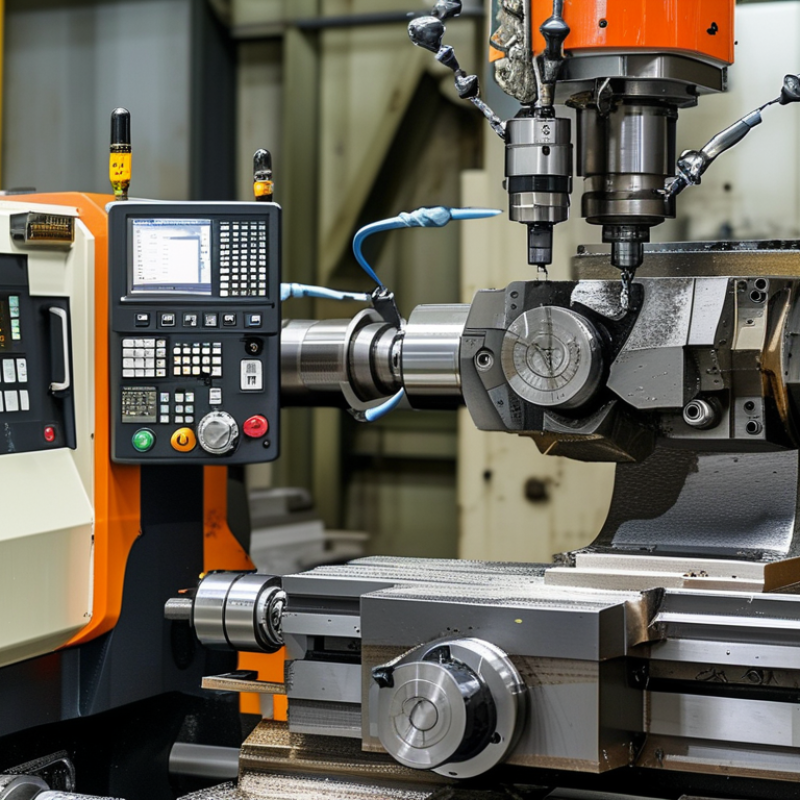
CNC lathes are essential tools in modern manufacturing. They automate the cutting and shaping of materials. There are several types of CNC lathes, each serving unique functions. The most common types include vertical lathes, horizontal lathes, and multi-tasking lathes. Vertical lathes are excellent for large workpieces, while horizontal lathes offer versatility for various tasks. Multi-tasking lathes combine multiple operations, enhancing efficiency.
When choosing a CNC lathe, consider the specific tasks you will perform. Different lathes cater to varying job requirements. For instance, if your work involves complex geometries, a multi-tasking lathe may fit best. An important detail is the size of your workspace. A larger lathe requires more area but can handle bigger parts. Don't overlook the importance of operator training. Even the best machines need skilled hands to run effectively.
Mistakes can occur during the selection process. A mismatch between the lathe and tasks can lead to inefficiencies. It's vital to reflect on these challenges. Think about your business needs carefully. Investing in the right CNC lathe can streamline your operations and yield better results over time. However, constant assessment and adaptation are key to maintaining productivity.
Identifying Your Business Needs and Project Requirements
When selecting a CNC lathe for your business, understanding your specific needs is crucial. Industry reports indicate that over 70% of businesses face challenges due to misaligned equipment choices. This underscores the importance of aligning your lathe specifications with your project's demands. Analyze the types of materials you will work with. Different lathes cater to various materials, such as metals or plastics.
Tip: Conduct a materials analysis before making your choice. This can prevent costly mistakes and streamline your production process. Evaluate your production volume. If you're working with high-volume production, opt for a lathe with faster cycle times and automation features. According to industry studies, automated lathes can increase productivity by up to 40%.
Consider the complexity of your projects. Some lathes are better suited for intricate designs, while others are ideal for simpler tasks. Understanding the balance between versatility and specialization is vital.
Tip: List your typical projects and identify the required features in a lathe. Regularly reassess your needs as your business evolves. This ongoing evaluation ensures that your CNC equipment continues to meet your operational demands.
How to Choose the Best CNC Lathe for Your Business Needs
This bar chart illustrates the importance of various factors in selecting a CNC lathe based on business needs and project requirements.
Key Features to Consider When Selecting a CNC Lathe
When selecting a CNC lathe, several key features should guide your decision. Assessing the machine's precision is crucial. A high level of precision ensures that your final products meet strict specifications. Look for lathes with tight tolerance capabilities. This aspect is vital, especially for industries requiring finely detailed work.
The size of the CNC lathe plays a significant role as well. Consider the maximum workpiece diameter and length that the machine can handle. If your projects vary in size, ensure the lathe accommodates those variations. Flexibility in size can greatly affect workflow and efficiency.
Another important feature is the control system. A user-friendly interface enhances productivity. Operators should quickly learn to navigate the machine. However, complex systems can lead to frustrating learning curves. It's essential to balance advanced features with ease of use. Regular training and updates can help mitigate potential issues. Each feature should align with your business goals and production demands.
Budgeting for Your CNC Lathe: Costs and Investment Considerations
When budgeting for a CNC lathe, consider initial costs, maintenance, and operational expenses. A 2021 industry report indicates that the average cost of a CNC lathe ranges from $10,000 to $150,000, depending on specifications. Think about your production needs. Higher precision lathes may cost more but can save you in the long run through reduced waste and increased efficiency.
Tip: Always factor in the cost of tooling and software. These additional expenses can add up. Industry data shows that tooling can contribute up to 30% of your overall lathe costs. If you under-budget for these items, it may cause project delays.
Evaluate financing options, especially if you have cash flow concerns. Lease agreements might provide flexibility, while purchasing has long-term benefits. Research shows that businesses often overlook ongoing costs, potentially leading to budget overruns. Taking time to analyze all these aspects will lead to a well-informed decision. Investing in the right CNC lathe creates significant returns, making it essential to plan ahead.
How to Choose the Best CNC Lathe for Your Business Needs?
| Parameter | Description | Estimated Cost ($) |
| Machine Type | CNC Lathe | 10,000 - 150,000 |
| Size | Small, Medium, Large | 5,000 - 100,000 |
| Control System | Manual, CNC | 2,000 - 20,000 |
| Power Consumption | High, Medium, Low | 1,000 - 5,000/year |
| Maintenance Costs | Regular servicing and parts | 1,000 - 10,000/year |
| Advanced Features | Automation, Tool changers | 5,000 - 50,000 |
| Software | CAD/CAM integration | 500 - 5,000 |
| Training Costs | Operator training, setup | 1,000 - 10,000 |
Evaluating Suppliers: Warranty, Support, and Service Options
When evaluating suppliers for CNC lathes, warranty, support, and service options are crucial factors. A robust warranty can indicate the manufacturer's confidence in their product. According to a recent industry report, nearly 35% of CNC lathe failures stem from insufficient maintenance and lack of support. This emphasizes the importance of choosing a supplier who offers comprehensive after-sales service.
Support options can vary widely among suppliers. Some may provide 24/7 technical support via phone or online, while others may limit assistance to business hours only. Data shows that businesses with access to ongoing support experience a 20% decrease in downtime. Additionally, service packages that include regular maintenance can not only lengthen the lifespan of the equipment but also enhance performance.
Choosing a supplier with a solid track record can mitigate risks. Many organizations underestimate the impact of service response times. A delayed response can lead to significant production losses. It’s essential to weigh these factors carefully. Look for suppliers with proven customer testimonials. Reliability can often outweigh the initial cost savings from less established brands.




 Send Inquiry

