How to Choose the Best Metal Plate Cutting Method?
Choosing the best method for Metal Plate Cutting is essential in today’s manufacturing landscape. In 2021, the global metal cutting tools market was valued at approximately $63 billion, a figure expected to grow steadily. This highlights the importance of selecting the right cutting techniques to meet industry demands effectively.
There are various methods available, each with unique benefits. Traditional techniques like plasma cutting are popular, while advanced technologies such as laser cutting are on the rise. Reports suggest that laser cutting can improve precision by up to 50% compared to older methods. However, not every approach suits every application.
Considerations such as material type, thickness, and production volume influence the decision. While laser cutting offers speed and accuracy, it may not be feasible for thick metal plates. This necessitates a deep understanding of each method's strengths and limitations. An informed choice will enhance productivity and cost-effectiveness.
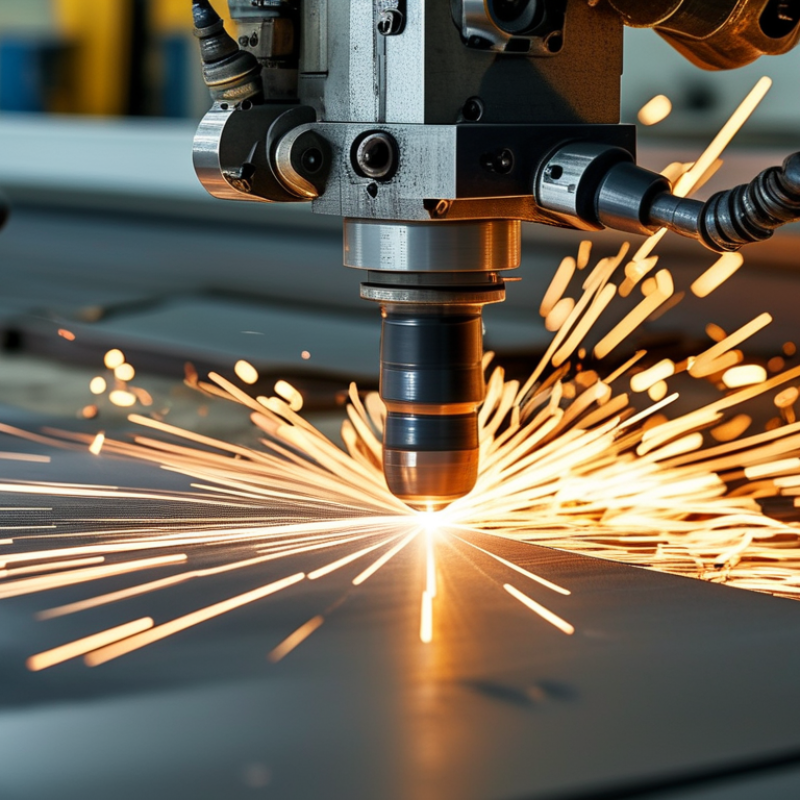
Factors to Consider When Selecting a Metal Plate Cutting Method
Choosing the best metal plate cutting method requires careful consideration of several factors. The material type and thickness play a significant role. Some methods excel with thin sheets, while others work best for heavy plates. Understanding the specific characteristics of the metal can lead to better decisions.
Tips: Always assess the material’s heat sensitivity. Some metals might warp under heat during cutting. A careful choice of method can prevent unnecessary waste.
The desired cutting precision is another essential factor. Laser cutting offers high accuracy but may be more costly. Meanwhile, plasma cutting can cut thicker materials but might sacrifice precision. It’s essential to align your budget with the required quality.
Tips: Don’t overlook the finish quality. A rough edge may increase post-processing time, impacting overall efficiency. Consulting with experienced professionals can provide insights into the best practices for your specific project.
Comparison of Metal Plate Cutting Methods
Overview of Popular Metal Plate Cutting Techniques and Their Applications
When it comes to metal plate cutting techniques, understanding their applications can help in making educated decisions. Laser cutting is highly precise and versatile. It works well with various materials, from stainless steel to aluminum. This method produces minimal waste and results in clean edges. However, setup costs can be high, and thick materials may pose challenges.
On the other hand, plasma cutting is effective for thicker plates. This technique uses ionized gas to create a high-temperature arc. It is faster than laser cutting but may leave rough edges. It's best suited for heavy-duty applications and is often used in construction and manufacturing. Yet, the skill of the operator is crucial for maintaining quality, highlighting a potential area for improvement.
Oxy-fuel cutting remains popular for its simplicity and affordability. It can handle various thicknesses and is accessible for shops with limited budgets. However, the heat-affected zone can cause warping. Balancing cost with quality is often a dilemma for many fabricators. Each method comes with strengths and weaknesses, demanding a careful evaluation of project needs.
How to Choose the Best Metal Plate Cutting Method?
| Cutting Method | Material Compatibility | Cut Quality | Thickness Range | Cost Efficiency | Typical Applications |
| Laser Cutting | Steel, Aluminum, Stainless Steel | High precision, Smooth edges | Up to 25mm | Moderate to High | Automotive, Aerospace, Artworks |
| Plasma Cutting | Steel, Stainless Steel, Copper | Good accuracy, Varies with thickness | Up to 100mm | Low to Moderate | Shipbuilding, Pipe Cutting, Industrial Fabrication |
| Waterjet Cutting | All Metals, Glass, Stone | Excellent finish, No heat-affected zone | Up to 200mm | Moderate | Aerospace, Automotive, Architectural |
| Oxy-Fuel Cutting | Carbon Steel | Good quality, Burrs possible | Up to 300mm | Very Low | Heavy Steel Structures, Pipeline Production |
Comparative Analysis of Cutting Speed and Precision in Different Methods
When selecting a metal plate cutting method, speed and precision are crucial considerations. Different methods offer unique advantages and drawbacks. For instance, plasma cutting is known for its speed, but it may compromise on precision. This approach uses a high-velocity stream of ionized gas to melt metal, allowing for rapid processing. However, the cut edges can be rough, requiring additional finishing work.
On the other hand, laser cutting delivers exceptional precision. It utilizes a focused laser beam to achieve clean cuts in various thicknesses. The fine tolerance reduces the need for post-processing. Yet, laser cutting can be slower compared to plasma, especially with thicker materials.
Waterjet cutting represents another option, offering a balance between speed and precision. It uses high-pressure water mixed with abrasive material to cut through metal.
Each method presents its own set of challenges. A high cutting speed might lead to thermal distortion in certain materials. Conversely, methods that prioritize precision could extend production time, impacting productivity. It's essential to evaluate the project requirements and limitations carefully. Understanding these nuances can aid in choosing the most suitable method for your needs.
Evaluating Material Type and Thickness for Optimal Cutting Choices
When evaluating metal plate cutting methods, material type and thickness play a crucial role. Different metals require diverse techniques. For thinner materials, laser cutting is often ideal. It provides precision and minimizes waste. Thicker plates, however, may benefit from plasma cutting or waterjet methods. Each has unique strengths depending on the metal's properties.
Consider the specific application. For example, aluminum is softer and can be cut easily with laser options. In contrast, stainless steel demands more robust solutions due to its durability. It's important to understand that not every method is equally effective for all materials. Sometimes, trial and error leads to the best results.
**Tips:** Always test a sample piece before committing to a method. This can reveal the limitations of certain techniques. For safety, ensure all precautions are taken, especially with high-powered tools. Reflect on past projects to improve future decisions. Understanding your material is key to achieving desired results.
Cost Analysis: Budgeting for Metal Plate Cutting Projects and Methods
When budgeting for metal plate cutting projects, understanding the costs associated with various methods is essential. For example, laser cutting offers precision but may come with higher initial costs. A report by the Fabricators and Manufacturers Association (FMA) indicates that laser cutting costs can range from $0.50 to $5.00 per inch, depending on material thickness. In contrast, plasma cutting often presents a lower upfront cost, typically averaging between $0.30 and $2.00 per inch.
Material waste is another critical factor. Techniques like waterjet cutting generate minimal waste, potentially reducing overall material costs. However, the operational expenses for waterjet technology can be significant, with maintenance and energy costs averaging around $10 per hour. According to a study by the American Welding Society, budget planners should also consider downstream costs, such as finishing processes. These additional steps can inflate the total project cost by up to 25%. It's crucial to weigh the trade-offs between initial costs and long-term efficiencies to make informed choices in metal plate cutting methods.



 Send Inquiry

