How to Choose the Right Hydraulic Solenoid for Your Needs?
Choosing the right hydraulic solenoid can be a daunting task. These components are crucial for the efficient operation of hydraulic systems. A suitable hydraulic solenoid ensures optimal performance and reliability.
Several factors influence the selection of hydraulic solenoids. Consider the voltage, pressure ratings, and flow rates. Each application may require unique specifications. Not all solenoids are created equal. Some might not fit your specific needs.
In addition, think about the environment where the solenoid will operate. Factors like temperature and exposure to contaminants can impact its longevity. A durable and reliable choice can save future troubleshooting efforts. It's important to weigh both the short-term and long-term consequences of your decision. Ultimately, a well-informed choice leads to better performance in hydraulic systems.
Understanding the Basics of Hydraulic Solenoids
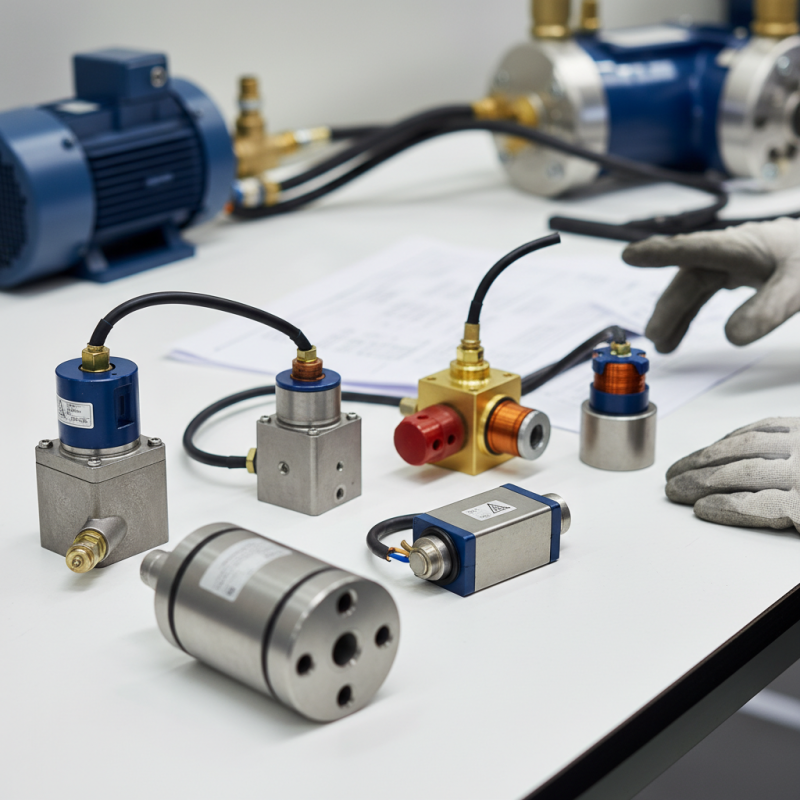
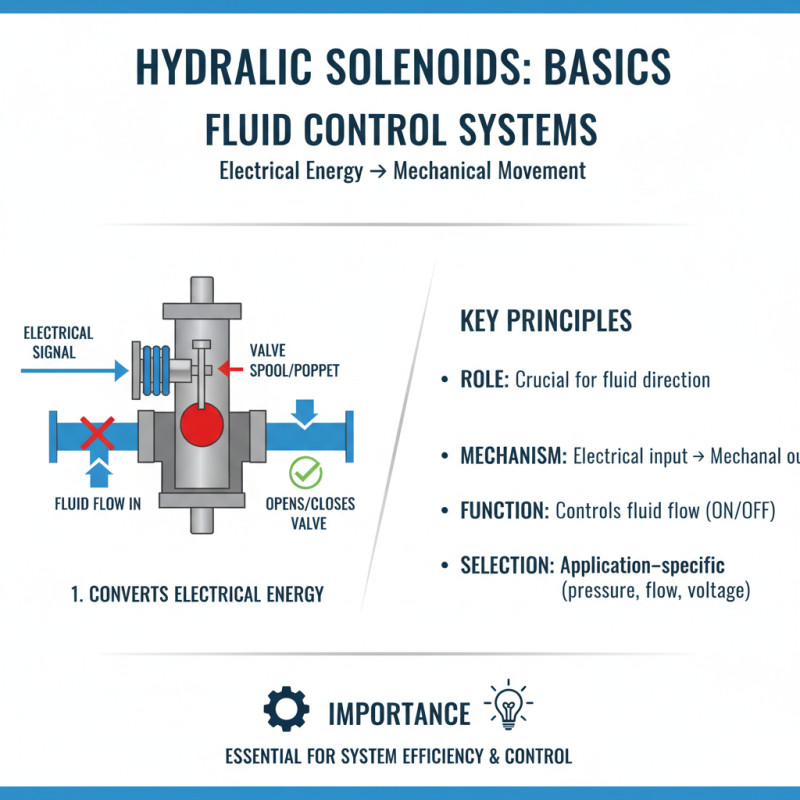
Hydraulic solenoids play a crucial role in fluid control systems. Understanding their basics is essential for effective selection. At their core, hydraulic solenoids work by converting electrical energy into mechanical movement. This movement opens or closes valves, controlling fluid flow. The simplicity of this mechanism belies the complexity of choosing the right solenoid for specific applications.
When exploring the characteristics of hydraulic solenoids, consider the power rating and response time. These factors impact performance and efficiency. A solenoid with a high power rating may perform well but can generate excessive heat. It's often a balancing act between power and durability. Also, pay attention to the size and design. Space constraints can limit installation options, leading to suboptimal performance.
Additionally, evaluating the operating environment is crucial. Temperature fluctuations, moisture, and contaminants can affect solenoid function. It’s easy to overlook these aspects during the selection process. Ensuring that the solenoid is rated for the specific conditions can save time and money. Every application is unique, and understanding your environment will guide you toward the best choice.
Identifying Your Specific Application Requirements
When selecting a hydraulic solenoid, identifying your specific application requirements is crucial. You need to consider factors such as pressure, temperature, and fluid type. A solenoid designed for heavy-duty applications might not suit lighter tasks. Each application has unique demands, and understanding these will guide your choice.
Tips: Always review technical specifications. They offer insight into whether a solenoid can handle your conditions. Consult with experts if you're uncertain. Their guidance can save you from costly mistakes.
Another critical factor is the solenoid's duty cycle. Continuous operation needs a different solenoid than intermittent use. Evaluate how often the solenoid will engage. Frequent activation can cause overheating and failure. It’s essential to match your solenoid to the operational demands.
Tips: Look for feedback from other users. Their experiences can reveal potential issues. Join forums where you can ask questions. Community insights can provide valuable perspectives that literature may lack.
How to Choose the Right Hydraulic Solenoid for Your Needs? - Identifying Your Specific Application Requirements
| Dimension |
Specification |
Notes |
| Voltage |
12V, 24V, 110V |
Choose based on power supply availability |
| Operating Pressure |
0 - 250 Bar |
Ensure solenoid can handle maximum application pressure |
| Flow Rate |
0 - 20 L/min |
Match flow rate with the hydraulic system's requirements |
| Connector Type |
DIN, AMP, or Custom |
Ensure compatibility with wiring harness |
| Duty Cycle |
Continuous or Intermittent |
Determine based on usage frequency |
| Environmental Rating |
IP54, IP65 |
Select based on installation conditions |
Evaluating Solenoid Specifications and Features
When selecting a hydraulic solenoid, understanding specifications is crucial. Key parameters include coil voltage, duty cycle, and response time. According to industry reports, a coil voltage of 12V or 24V is commonly used. Duty cycles often reach 100%, allowing continuous operation. The response time varies from 10 to 100 milliseconds, influencing performance in critical applications.
Tips: Focus on your application’s requirements. Consider the operating environment. Compatibility with fluid types is vital. Additionally, pay attention to mounting options. Proper installation ensures reliability.
Also, evaluate features like temperature range and ingress protection. This is essential for solenoids exposed to extreme conditions. For instance, some models operate efficiently in temperatures ranging from -40°C to 85°C. An ingress protection rating of IP65 or higher indicates resistance to dust and water, which enhances durability.
Tips: Don’t overlook the importance of these features. Failure to consider environmental factors can lead to solenoid malfunctions. Reassess your choices based on both performance and environmental conditions. This ensures long-term reliability and reduces unexpected downtime.
Comparing Different Manufacturers and Models
When selecting a hydraulic solenoid, examining different manufacturers and models is crucial. Each manufacturer offers unique designs and features, impacting performance and reliability. Consider factors like material quality and engineering standards. Some brands might excel in durability, while others focus on precision.
Tips for choosing: Prioritize manufacturers known for innovation. Reviews from industry experts can guide your decision. Evaluate product specifications to ensure compatibility with your systems.
While many solenoids look similar, their internal mechanics can differ significantly. Understanding common issues is essential. Some models may have a reputation for overheating or slower response times. Read user feedback to uncover these potential pitfalls.
Don't overlook warranty services. A solid warranty can indicate a manufacturer’s confidence in their product. Inquire about after-sales support and service availability. This ensures you gain assistance if issues arise. A thoughtful evaluation of these factors is key to choosing the right solenoid for your applications.
Hydraulic Solenoid Performance Comparison
Maintenance and Troubleshooting Tips for Hydraulic Solenoids
Hydraulic solenoids are crucial in various industrial applications. Regular maintenance is essential for optimal performance. Many operators overlook routine checks, leading to system malfunctions. A recent industry report indicates that about 40% of hydraulic failures originate from improperly maintained solenoids.
To ensure reliability, inspect solenoids frequently. Look for signs of wear, corrosion, or leaks. A swollen or cracked seal can lead to hydraulic fluid loss. It's also important to check the coil resistance. Out-of-spec resistance may indicate electrical issues. Monitoring these factors can help avoid costly downtime.
In troubleshooting, listen for audible clicks. An absence of sound could signal a power failure or a jammed mechanism. When solenoids fail to actuate properly, disconnect them from the circuit. Perform a functional check, isolating variables. This step allows for accurate diagnosis and prevents misinterpretation of the issue. Maintaining a detailed log of maintenance activities can provide insights for future troubleshooting.





 Send Inquiry

