
GST : 27AAFFV7667M1ZA

call images

Call us

08045801431

How to Choose the Right Singing Bowl for Your Needs?

Choosing the right Singing Bowl is not simply a matter of size, color, or price. It is a practical decision involving sound, weight, materials, and personal use. A bowl that feels warm and resonant in a quiet studio may sound harsh in a small bedroom. Try it in the space where you will actually use it.

Market evidence also requires careful reading. The Global Wellness Institute reported that the global wellness economy reached $5.6 trillion in 2022. Its research includes meditation, mental wellness, and complementary practices, but it does not measure Singing Bowl sales separately. That limitation matters. Industry estimates can suggest growing interest, yet they should not replace direct listening and testing.

Peter Hess, founder of the Peter Hess Academy, has written, “The sound of the singing bowl touches our innermost being.” His perspective highlights why personal response matters. A professional buyer should examine sustain, vibration, tone clarity, and playing comfort. Hold the bowl gently. Strike it softly. Notice whether the vibration feels steady against your palm.

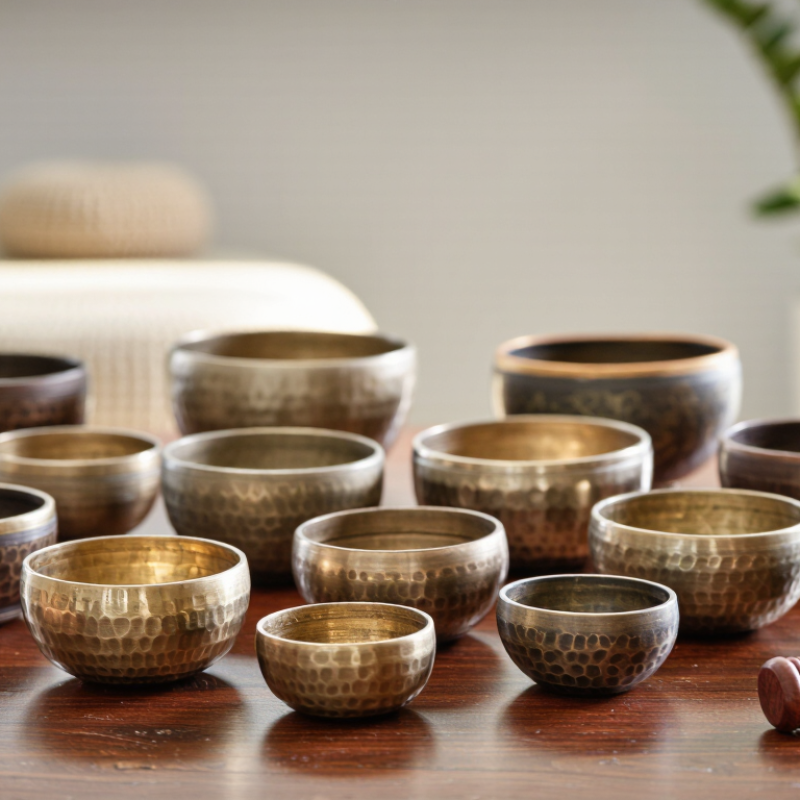
Some bowls sing brightly. Others produce deeper, slower tones. Neither is automatically better. A beginner may prefer a medium bowl with a stable fundamental note. A sound practitioner may need several tones for layered sessions. Hand-hammered bowls can show small marks, uneven rims, or subtle differences. These are not always defects, though they can affect performance.

The honest choice may take time. Online descriptions are useful, but incomplete. Listen before committing whenever possible. Your ideal Singing Bowl should support your purpose, room, technique, and comfort—not merely follow a trend.
How to Choose the Right Singing Bowl for Your Needs?

Define Your Purpose for Using a Singing Bowl

Before choosing a singing bowl, define what you want it to do. A bowl for quiet meditation may need a soft, steady tone. A bowl for group sound practice should project clearly across the room. If you want a grounding ritual, choose a tone that feels comfortable, not merely impressive in a recording.

Test the bowl in person when possible. Place it on a flat cushion and strike it gently near the rim. Notice the first tone, the fading sound, and any harsh vibration. A seven-inch bowl may suit personal practice, while a larger bowl can create stronger resonance. Size alone does not determine quality. The bowl’s shape, thickness, and striker also affect its voice.

Keep your intention practical. For breathwork, a predictable sustain can help mark slow pauses. For relaxation, avoid a tone that feels sharp or distracting. Experienced sound practitioners often recommend listening with eyes closed, because appearance can influence judgment. I once preferred a bright bowl in a shop, then found its high pitch tiring after ten minutes. That changed my selection method.

Try it longer.

A qualified meditation teacher or acoustics professional can offer useful guidance, but personal comfort remains important. Singing bowls are not medical treatments, and their effects vary between people. If the bowl will be used around children, older adults, or people sensitive to sound, keep the volume gentle and ask before playing. Your purpose may change over time, so leave room for that possibility.

Compare Singing Bowl Types, Materials, and Sizes

How to Choose the Right Singing Bowl for Your Needs?

Singing bowls differ mainly by type, material, and size. Hand-hammered metal bowls often create layered, slightly irregular tones. Their sound can feel warm and earthy. Crystal bowls usually produce a clearer, sustained note, with stronger resonance in quiet rooms. Neither option is automatically better. Your listening environment matters more than appearance.

Material affects both sound and handling. Metal bowls are generally durable and suitable for group sessions, meditation spaces, or gentle striking. Crystal bowls can be more fragile, especially during transport. A 2024 Global Wellness Institute report valued the global wellness economy at $6.3 trillion in 2023. This growth has increased interest in personal sound practices, but it does not prove that every bowl delivers health benefits. Treat dramatic claims carefully.

Size changes pitch, volume, and portability. Small bowls, around 10–15 centimeters wide, are convenient for desks or travel. Medium bowls, around 15–25 centimeters, offer a balanced tone for personal practice. Larger bowls may produce deeper vibrations, but they need more floor space. Test the bowl before buying, if possible. Listen from several angles. Check whether the sound feels comfortable, not merely impressive. The wrong choice is common.

A report from the National Center for Complementary and Integrative Health notes that meditation research shows mixed results. Sound can support relaxation, but it should not replace professional care. I would also avoid choosing by size alone. A large bowl may sound beautiful in a shop, yet harsh in a small bedroom.

How to Choose the Right Singing Bowl for Your Needs? — Compare Singing Bowl Types, Materials, and Sizes

Bowl Type Typical Material Common Diameter Sound Profile Portability Best Uses Main Advantages Points to Consider
Hand-Hammered Metal Bowl Bronze, brass, or mixed metal alloys 10–25 cm (4–10 in) Layered overtones with a warm, complex character; pitch and sustain vary between individual bowls. High for small and medium sizes Meditation, mindfulness, personal sound practice, and beginners Distinctive overtones, durable construction, and a broad range of tones and sizes Sound quality can differ significantly from one bowl to another, even when the dimensions are similar.
Machine-Finished Metal Bowl Usually brass or bronze-based metal 10–30 cm (4–12 in) Clearer and more consistent fundamental tone with comparatively predictable sustain. High for small and medium sizes Beginners, regular home practice, classrooms, and repeatable exercises Consistent shape, stable performance, and generally easier tone matching May have fewer complex overtones than a well-made hand-hammered bowl.
Standing Bowl Bronze, brass, or other metal alloys 15–40 cm (6–16 in) Often produces a strong, sustained tone with noticeable resonance when placed on a suitable surface. Medium Group meditation, room sound work, yoga sessions, and ceremonial settings Projects sound well and can provide a longer-lasting resonance than many small bowls. Requires a stable surface and more storage space; large examples can be heavy.
Crystal Bowl Fused quartz or quartz-based glass 15–40 cm (6–16 in) Bright, pure, and focused tone with a prominent fundamental frequency; resonance is often strong. Low to medium Sound baths, studio sessions, group work, and users seeking a clearly defined tone Strong projection, visually consistent appearance, and easy-to-identify tonal focus Fragile, less convenient to transport, and more sensitive to impacts and sudden temperature changes.
Jaltarang-Style Ceramic Bowl Ceramic or porcelain 10–25 cm (4–10 in) Clear, bell-like tone; pitch can be adjusted in some designs by changing the amount of water. Medium Musical exploration, demonstrations, education, and gentle sound practice Interesting pitch interaction with water and a distinctive musical character Breakable and less suitable for vigorous striking or frequent travel.
Small Bowl Metal or crystal 8–15 cm (3–6 in) Typically higher-pitched with shorter sustain and less low-frequency resonance. Very high Travel, personal meditation, desk use, and short mindfulness sessions Lightweight, space-saving, and easy to hold or carry Usually has less volume and depth than a medium or large bowl.
Medium Bowl Metal, crystal, or ceramic 15–25 cm (6–10 in) Balanced combination of clarity, sustain, volume, and harmonic richness. High to medium Most home users, guided meditation, yoga, and everyday practice Versatile size with a practical balance between portability and resonance May not provide the deepest bass or the highest projection available from larger bowls.
Large Bowl Thick metal, crystal, or ceramic 25–40 cm (10–16 in) Lower, fuller, and more spacious resonance with greater acoustic presence. Low Sound baths, group sessions, studios, and spacious rooms Strong projection, extended resonance, and a fuller low-frequency impression Heavier, more expensive to replace if damaged, and less convenient for small spaces.
Extra-Large Bowl Heavy-gauge metal or thick crystal Over 40 cm (16 in) Very deep and powerful resonance with substantial room-filling presence. Low Professional sound work, large rooms, installations, and group experiences Maximum projection and a rich, immersive sound field Requires careful handling, adequate floor or stand support, and considerable storage space.

Note: Diameter ranges and sound descriptions are typical guidelines. Actual tone, volume, sustain, and overtones depend on the bowl's thickness, shape, manufacturing method, striking technique, and playing surface.

Match the Bowl’s Tone, Frequency, and Sustain to Your Needs

Choosing a singing bowl starts with its sound, not its appearance.
The Global Wellness Institute’s 2024 report valued the mental wellness market at $181 billion in 2022. That growth reflects stronger interest in calming practices, but it does not prove that one frequency heals everyone.

Listen for a tone that feels steady and comfortable. Lower tones often sound warmer and fuller. Higher tones may feel brighter and more focused. Frequency matters, yet personal hearing matters more. Sit near the bowl and strike it gently. Notice whether the note feels harsh, thin, or tiring after one minute. A tuner or spectrum app can show the approximate pitch, but room reflections may distort the reading.

Sustain is equally important. A quality bowl should continue ringing without an abrupt, metallic collapse. In my sessions, I prefer a tone that remains clear for at least several seconds. That preference is practical, not universal. My first bowl sounded impressive in a shop, but its sustain became muddy in a small room. I overlooked the acoustics.

Research on music and relaxation supports sound as a useful wellness aid, not a medical treatment. Choose a bowl you can hear comfortably, especially during repeated use. Test it with soft and firm strikes. If the vibration causes discomfort, stop. There is no scientifically established “perfect” singing bowl frequency for every person.

Evaluate Craftsmanship, Condition, and Ease of Playing

Choosing a singing bowl begins with craftsmanship, not appearance. Inspect the rim under direct light. It should look even, without sharp edges, deep cracks, or visible stress lines. A stable base matters too. The bowl should sit flat on a soft ring. According to the Global Wellness Institute’s 2024 report, the global wellness economy reached about 6.3 trillion dollars in 2023. This growth encourages more decorative products, but popularity does not prove quality.

Condition affects both sound and safety. Tap the bowl gently with a suitable mallet, then listen for a clear, sustained tone. Unusual buzzing may indicate a structural flaw. Check repaired areas carefully. Small surface marks can be harmless, yet hidden fractures deserve caution. I have found that polished surfaces sometimes distract buyers from uneven walls. That is an easy mistake. Do not judge by shine alone.

Ease of playing is equally practical. Choose a bowl that responds to light pressure and does not require constant force. Test striking, circling, and changing contact points. The sound should remain comfortable beside your ears. ISO 226:2003 explains that human hearing sensitivity changes across frequencies, so louder does not always mean better. A heavier bowl may produce longer resonance, but it can feel tiring during repeated use. Personal testing remains essential. My own judgment is not perfect, especially in noisy rooms. Test again in a quiet space, and record the sound before buying.

Set a Budget and Test the Bowl Before Buying

Set a budget before comparing singing bowls. The Global Wellness Institute reported that the mental wellness market reached $181 billion in 2022. That growth can encourage unnecessary spending, especially when sellers describe bowls with vague healing claims. Decide your maximum price, including a cushion for a mallet and shipping. Spend more only when you can hear a clear difference, not when the description sounds mystical.

Test the bowl in person whenever possible. Tap the rim gently, then listen until the sound fades. A useful bowl should feel comfortable, without harsh ringing, rattling, or sudden volume changes. Try several bowls at the same distance. Record short samples, but trust your ears more than a phone microphone. Phones often compress sound.

Keep the room quiet. NIOSH recommends limiting occupational noise exposure to 85 dBA over eight hours, so avoid striking any bowl forcefully near your ears. A brief test is enough. Very loud is not automatically better. Check the rim, base, and mallet for rough edges or instability. Ask about material, dimensions, and return terms. Do not accept unsupported claims about treating illness; NCCIH notes that evidence for many complementary sound practices remains limited. I would still leave a purchase unfinished if the bowl looks beautiful but feels tiring to hear. Sometimes the quieter bowl is the wiser choice.

Back to top
