

 Send Inquiry
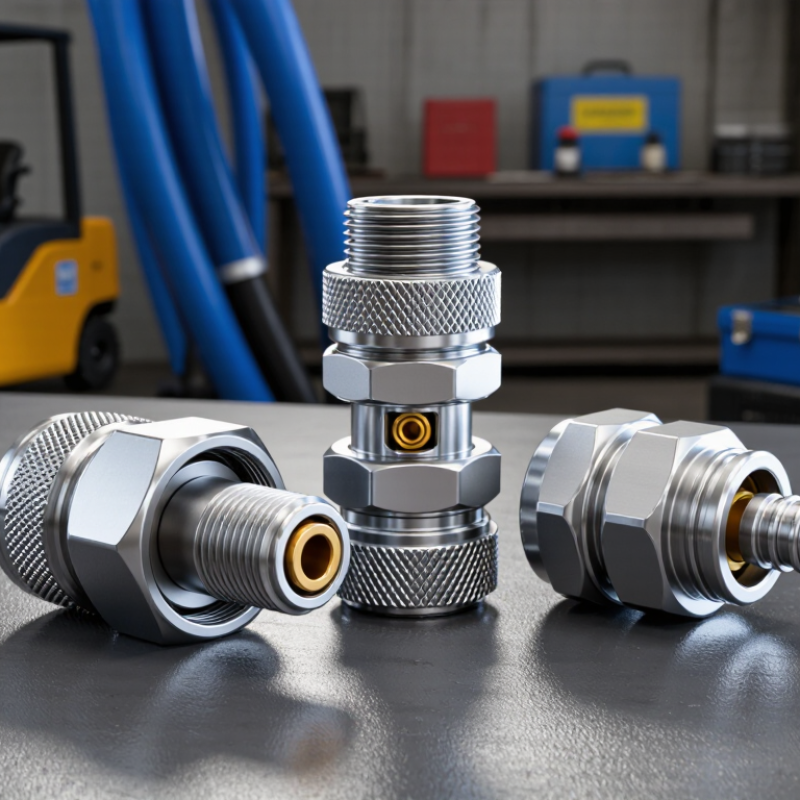
Quick connect couplers simplify hose changes, but selection should begin with the fluid. Hydraulic oil, water, air, and aggressive chemicals require different seal materials and body designs. A coupler suitable for air may swell, leak, or fail when exposed to oil. The U.S. Department of Energy reports that compressed-air leaks can waste 20–30% of compressor output. Poor coupler connections can add to this loss. I have learned that compatibility deserves more attention than appearance.
Port size must match the hose and equipment connection. A smaller port can restrict flow, even when its pressure rating looks adequate. Check the required operating pressure, maximum surge pressure, and connection type. Never select only by the catalog’s maximum value. The working margin matters. Temperature is equally important because heat can reduce seal life and change fluid viscosity. ISO 7241 and ISO 14541 provide useful dimensional and performance references for hydraulic quick couplings, but field conditions still require verification.
Flow rate is often misunderstood. A coupler’s internal valve creates pressure drop, especially at high flow. Compare tested flow curves, not just nominal port size. The Hydraulics Institute’s pump-system guidance emphasizes evaluating system resistance across operating conditions. That principle applies here. Measure actual flow, inspect the mating faces, and confirm cleanliness before installation. A dry, dusty workshop can expose a weakness that laboratory ratings do not show. My earlier assumption was simple: bigger is always safer. It is not. Oversizing can increase cost, weight, and trapped fluid without fixing a mismatched connection.