What is Spunbond Nonwoven Machine and How Does It Work?
The Spunbond Nonwoven Machine is a vital innovation in the textile industry. It helps produce nonwoven fabrics widely used in various applications, from medical to industrial sectors. This machine operates through a unique process that involves the extrusion of polymer fibers. These fibers are then laid down in a web-like formation, bonded through heat or other methods.
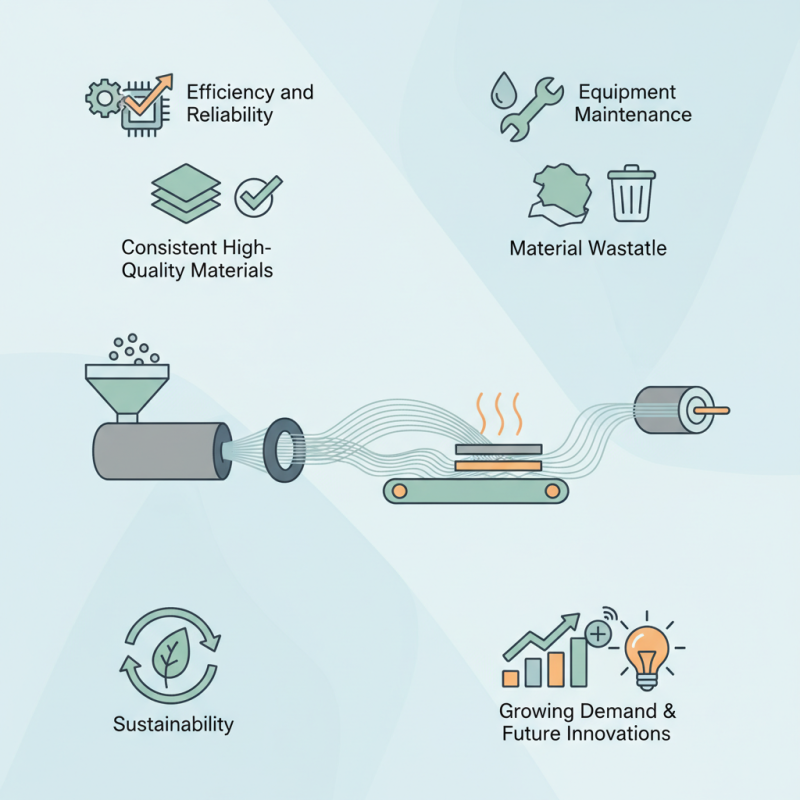
With advancements in technology, the Spunbond Nonwoven Machine has become more efficient and reliable. Its ability to create consistent and high-quality materials is impressive. Yet, challenges remain. Manufacturers face issues like equipment maintenance and material wastage. Understanding these intricacies can lead to improvements in production processes.
Exploring the workings of the Spunbond Nonwoven Machine reveals its significance in modern manufacturing. This technology is not just about speed but also about sustainability. As industries evolve, the demand for nonwoven materials continues to grow. It is essential to grasp the machine's role and its potential impact on future innovations.
What is a Spunbond Nonwoven Machine?
Spunbond nonwoven machines are vital in the textile industry, producing durable fabrics. These machines utilize a continuous filament method, bonding fibers through thermal or chemical processes. The global nonwoven fabric market was valued at approximately $42 billion in 2020 and is expected to grow significantly. This growth highlights the importance of spunbond technology, particularly in hygiene and medical applications.
The operation of a spunbond nonwoven machine starts with polymer pellets, which are melted and extruded into fine filaments. These filaments are then laid onto a conveyor belt, where they entangle and bond. Quality control is crucial, as variations in temperature or material can affect the final product's quality. Reports suggest that optimizing machine settings can enhance efficiency by up to 30%.
Tips: Regular maintenance of the machine is essential. Wear and tear can lead to inconsistent quality. Additionally, monitor environmental conditions. Humidity and temperature can significantly impact fiber bonding. Be ready to adjust processes as needed, as not all materials behave the same way. This awareness allows for improvement in production and product quality.
Key Components of Spunbond Nonwoven Machines
Spunbond nonwoven machines play a crucial role in producing various textile products. The key components of these machines ensure efficient operation and high-quality output. A primary element is the spinneret, which melts polymer and extrudes it into fine filaments. This process is essential as it directly affects the properties of the final fabric.
Another important part is the drafting system. It stretches the extruded filaments, aligning them for better strength and durability. Precision is vital here. Misalignment can lead to weak spots in the fabric. Additionally, the conveyor belt system transports the bonded fibers for further processing.
Proper maintenance of these components is necessary for optimal performance. Regular checks help prevent downtime and production issues. Understanding the functionality of these components allows manufacturers to refine their processes. It's a continuous learning journey, where improvements can always be made.
The Process of Producing Spunbond Nonwoven Fabric
Spunbond nonwoven fabric is produced through a unique process that involves continuous filament technology. The process begins with polymer pellets, which are melted and extruded through a spinneret. This creates long filaments. These filaments are drawn and cooled, forming a web-like structure.
Once the filaments are formed, they are laid onto a moving conveyor. The next step involves bonding the filaments together, primarily through heat or mechanical means. This results in a strong and durable fabric that can be used in various applications ranging from medical to automotive.
Tips: Ensure proper temperature control during the bonding process. Excessive heat can damage the fabric. Inspect the filament uniformity regularly. This helps maintain consistent quality.
Using spunbond technology allows for cost-effective production. However, the challenge lies in optimizing the settings. Variability in the polymer type can affect the final product. Manufacturers must remain attentive to these factors to ensure quality control.
Applications and Benefits of Spunbond Nonwoven Fabrics
Spunbond nonwoven fabrics have gained immense popularity in various industries. These fabrics are made by bonding together individual fibers using heat, pressure, or solvents. This process results in a strong, durable material with unique properties. Their lightweight nature makes them ideal for multiple uses, from medical applications to fashion.
One of the key applications of spunbond nonwoven fabrics is in the medical field. They are widely used for surgical gowns, masks, and drapes. The breathable yet protective nature of these fabrics helps prevent contamination and provides comfort to medical staff and patients alike. Additionally, in the hygiene sector, spunbond fabrics are used in products like diapers and feminine hygiene products, ensuring softness and absorbency.
Beyond medical applications, spunbond nonwoven fabrics are increasingly popular in agriculture. They can be used as cover materials to protect plants from pest damage and harsh weather. However, the environmental impact of these synthetic fabrics raises concerns. While they are recyclable, the production process can lead to pollution. It's crucial for manufacturers to focus on sustainable practices. This balance between utility and ecological responsibility requires ongoing reflection and improvement.
Future Trends in Spunbond Nonwoven Technology
Spunbond nonwoven technology is evolving rapidly. As industries shift towards sustainable materials, the demand for eco-friendly nonwoven fabrics grows. Manufacturers are exploring new polymers that are biodegradable and reduce environmental impact. Innovations aim to enhance fiber strength while maintaining lightweight characteristics for various applications.
Automation is transforming spunbond manufacturing processes. Advancements in robotics improve production efficiency. However, integrating new technology comes with challenges. Workers need upskilling to manage sophisticated machinery. Companies must consider how to balance innovation with workforce development.
Another trend is the rise of smart textiles in spunbond applications. Embedded sensors can monitor environmental factors or track user health data. This adds value beyond basic functionality, offering unique, customizable solutions. Yet, the durability and practicality of these smart features remain to be tested in real-world scenarios. Balancing innovation with reliability is key as the industry looks to the future.




 Send Inquiry

