Top Tips for Choosing a Low Temperature Rise Capacitor?
Choosing a Low Temperature Rise Capacitor can significantly impact the performance of your electrical systems. These capacitors are designed to operate efficiently under mild temperature increases, improving reliability and lifespan. As the demand for energy-efficient solutions grows, understanding these components has become essential.
One key factor to consider is the capacitor's material. Different materials react to heat in various ways. Low Temperature Rise Capacitors use advanced materials that minimize temperature elevation during operation. Assessing the manufacturer's expertise can help ensure the quality of the capacitor you choose.
Installation and application play vital roles, too. Not all capacitors fit every situation. A poorly chosen capacitor may lead to failures or inefficiencies. Experts recommend consulting with professionals for insights specific to your needs. It's essential to reflect on these factors carefully. The right Low Temperature Rise Capacitor can make a difference in your projects.
Understanding Low Temperature Rise Capacitors
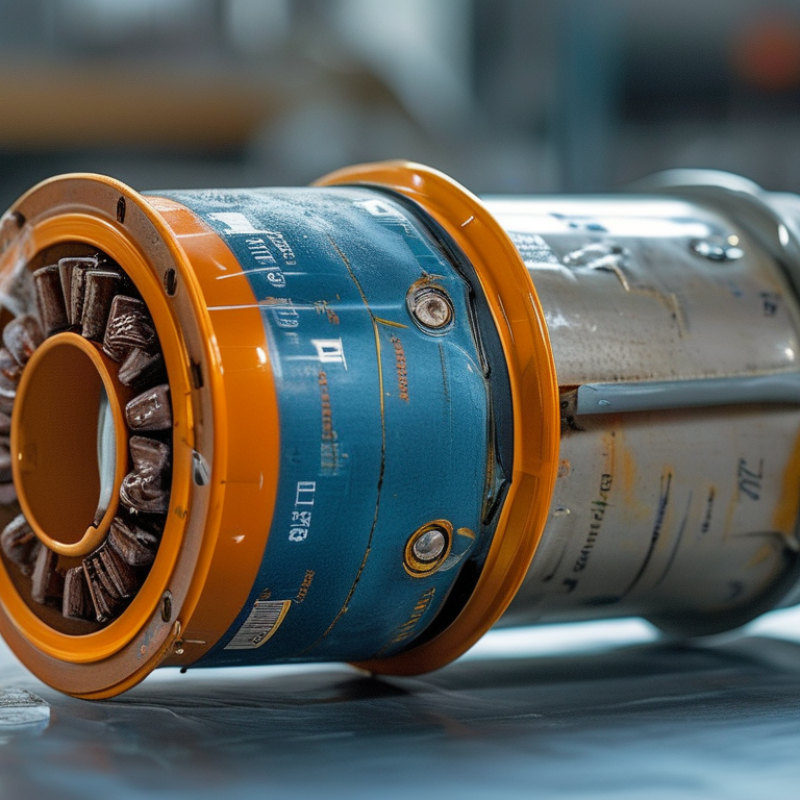
Low temperature rise capacitors play a crucial role in various electronic applications. These capacitors are specifically designed to operate with minimal temperature increase during use. This quality helps improve overall circuit efficiency and longevity. Understanding how to select the right low temperature rise capacitor is vital for optimal performance.
When choosing a low temperature rise capacitor, consider the operating conditions. Factors like voltage, frequency, and ambient temperature affect performance. Capacitors should be rated closely to actual working conditions to avoid overheating. Look for specifications that detail temperature rise figures. These will give insights into how the capacitor behaves under load.
It is essential to evaluate construction materials. Some capacitors use specific dielectrics that help reduce heat generation. Researching these differences can lead to better choices. However, not all low temperature rise capacitors will perform equally well. Ensure to gather data from reliable sources and evaluate the impact on your project. When in doubt, consult industry experts to validate your selection.
Key Factors to Consider When Selecting Capacitors
Choosing a low temperature rise capacitor requires careful consideration of several key factors. One of the primary aspects is the capacitor’s operating temperature range. Many capacitors are rated for specific temperature limits, typically between -40°C and +85°C. However, those designed for low temperature rise may have enhanced thermal performance. This feature can significantly extend a capacitor's lifespan and reliability in various applications.
Another critical factor is the capacitor's equivalent series resistance (ESR). A lower ESR translates to reduced heat generation. According to industry data, capacitors with an ESR below 50 milliohms are often preferable for applications sensitive to heat. Furthermore, it’s essential to consider the capacitor’s voltage rating. A higher voltage rating can help minimize thermal rise during operation, particularly in power applications.
Additionally, the dielectric material plays a role. Materials such as polypropylene and polyester are often selected for thermal stability. They can withstand high temperatures without degrading, making them a reliable choice. It’s also important to recognize the limits of these materials. For instance, even high-quality dielectrics can fail under extreme conditions. Therefore, reviewing conditions of use and ensuring proper derating according to specifications is crucial.
Evaluating Temperature Ratings and Specifications
When selecting a low temperature rise capacitor, evaluating temperature ratings and specifications is crucial. Capacitors operate under different temperature conditions, which affect their performance and lifespan. The temperature rating indicates the maximum and minimum temperatures a capacitor can endure. A study from the Capacitor Manufacturers Association reveals that capacitors can fail prematurely if used beyond their rated temperatures. This highlights the importance of carefully analyzing temperature specs.
Tips for choosing the right capacitor include checking the rated temperature range. Look for capacitors that exceed your project's maximum temperature. This ensures reliability. Additionally, consider the thermal resistance of the capacitor materials. A lower thermal resistance often leads to better temperature management, reducing the rise during operation.
Another aspect is to review the derating recommendations. Most experts suggest derating capacitors by 10% for every 10°C increase in temperature. This practice can enhance longevity and performance. Remember, while high-temperature ratings may seem beneficial, consider the application environment carefully. Performance can vary significantly with temperature fluctuations. Therefore, always align your capacitor choice with environmental conditions to avoid potential failures.
Top Tips for Choosing a Low Temperature Rise Capacitor
| Specification | Value | Importance |
| Temperature Rating | -40°C to +85°C | Critical for ensuring capacitor longevity and reliability in specific environments |
| Capacitance Value | 10µF to 1000µF | Essential for determining energy storage and circuit behavior |
| Voltage Rating | 16V to 500V | Must exceed circuit voltage to prevent breakdown |
| Ripple Current | Up to 10A | Indicates the maximum AC current the capacitor can handle without heating excessively |
| Lifetime Rating | 1000 to 5000 hours at +85°C | Affects the overall reliability and performance over time |
| Working Environment | Humidity, Dust, Vibration Tolerance | Determines the applications the capacitor is suitable for |
Importance of Capacitance Values in Low Temperature Applications
Choosing the right capacitance values for low temperature applications is crucial. Low temperature capacitors must maintain stability and reliability under extreme conditions. A well-selected capacitance ensures that the device functions properly, even when temperatures drop significantly. The wrong values can lead to inefficiency and potential failure.
Understanding the environment in which the capacitor will operate is vital. Capacitors experience changes in capacitance as temperatures fluctuate. Therefore, selecting a capacitor with appropriate capacitance values for these conditions is essential. It is often easy to overlook how temperature shifts affect performance. A capacitor that works well at room temperature may behave unpredictably when exposed to colder environments.
Testing capacitance at various temperatures can provide insight into performance. Some capacitors show a drastic drop in capacitance as temperatures decrease. Monitoring these changes helps in making informed choices. Users should remember that different materials respond differently to temperature variations. Personal experience and careful testing can improve reliability in low temperature applications.
Best Manufacturers and Brands for Low Temperature Rise Capacitors
When selecting low temperature rise capacitors, consider the manufacturers that stand out for their quality. Look for companies that prioritize thermal performance and longevity. A reliable capacitor should maintain low heat generation under heavy load. This feature is essential in applications where overheating could lead to failures.
Researching reputable brands helps ensure you're choosing wisely. Some manufacturers are known for their stringent quality control processes. They often utilize advanced materials and technologies to enhance performance. While many companies provide similar products, differences in reliability can often be found in customer reviews and industry certifications. Pay attention to these testimonials.
Not all brands focus equally on thermal management, which can be a pitfall. Some products may look appealing but lack the necessary engineering. It’s wise to investigate the track record of a brand before making a selection. Capacitors designed for low temperature rise are crucial in preventing system failures. Investing time in understanding manufacturers is a key step that shouldn’t be overlooked. A well-informed decision can make all the difference in performance and reliability.




 Send Inquiry

