Top Tips for Choosing a Perforated Mesh Machine?
Choosing the right Perforated Mesh Machine can greatly impact your production efficiency. With so many options available, the selection process may feel overwhelming. Understanding what to look for is essential for making an informed decision.
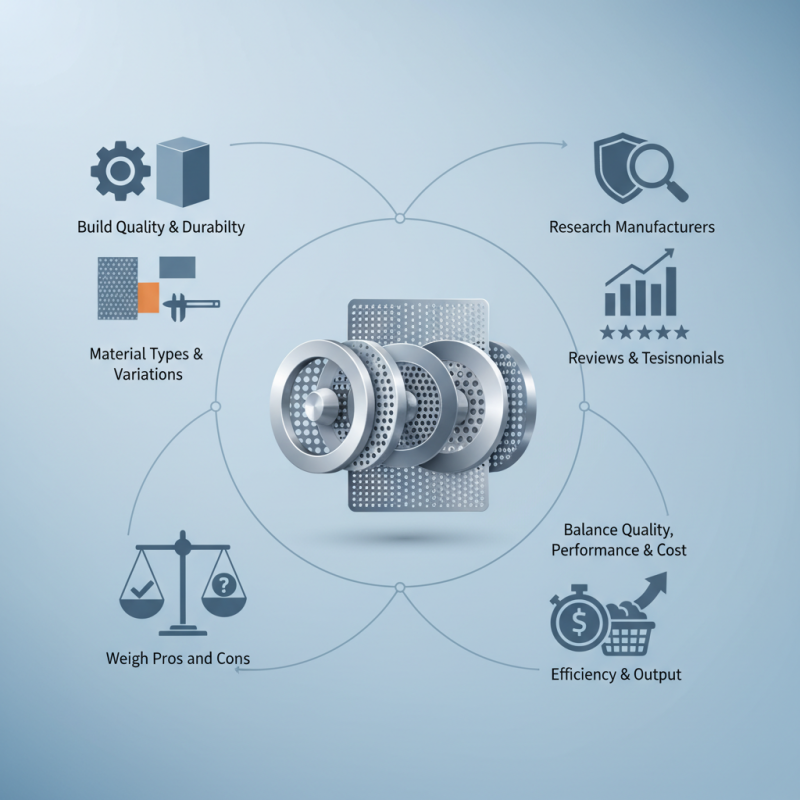
Consider the machine's build quality and durability. Not all machines are designed equal. A reliable perforated mesh machine should withstand daily use without extensive wear. Check the specifications for material types and variations. This knowledge can guide you towards a machine that fits your specific needs.
Researching manufacturers is equally important. Look for companies with a proven track record. Reviews and testimonials can provide insights into their reliability. Yet, not every review is perfect, and some may even raise concerns. Take time to weigh the pros and cons. Your choice should balance quality, performance, and cost. Ultimately, investing time in selecting the right perforated mesh machine will pay off in efficiency and output.
Understanding Perforated Mesh Machines and Their Applications
Perforated mesh machines have become essential across various industries. They offer unique benefits in manufacturing, construction, and filtration processes. Understanding these machines is crucial for selecting the right one for specific applications.
The global perforated metal market is projected to reach $5 billion by 2026, showing a 5% annual growth rate. This growth indicates a rising demand for custom perforated designs. Such designs can enhance ventilation, filtration, and aesthetic appeal. Businesses must consider materials, thickness, and hole patterns. A thorough understanding of these parameters is key to meeting project requirements.
Proper maintenance of perforated mesh machines is critical. Neglect can lead to inefficient operations and costly downtime. Regular inspections and adhering to operational guidelines help ensure longevity. Operators must also be trained to recognize signs of wear. Ignoring these factors can compromise the output quality and safety. Always be ready to reflect on operational practices. Adaptation and continuous learning are vital in this evolving industry.
Key Features to Look for in a Perforated Mesh Machine
When selecting a perforated mesh machine, consider its versatility. Look for machines that handle various materials. A model that accommodates metal, plastic, or fabric is valuable. This variety allows operators to adapt to different projects easily. It also means the machine can serve multiple industries. Flexibility in material choice is essential for expanding business opportunities.
The machine's speed and precision are crucial. A high-speed machine will increase productivity. However, it's equally important that it maintains accuracy. Operators should know that faster isn't always better if quality suffers. Look for features like adjustable speeds and precision settings. This balance ensures that you can produce high-quality mesh without sacrificing efficiency.
Additionally, durability plays a significant role. A robust machine will withstand daily wear and tear. This reduces maintenance costs and downtime. Look for machines made with high-quality components. Pay attention to the warranty offered by the manufacturer. A good warranty reflects confidence in the product's longevity. Balancing these features can make the difference between a good investment and a regrettable purchase.
Evaluating Material Compatibility for Perforated Mesh Production
When selecting the right perforated mesh machine, evaluating material compatibility is crucial. Different materials react uniquely under varied perforation processes. For instance, metals require precise settings to avoid deformation. Plastics, on the other hand, may melt if the heat is not controlled. Different thicknesses and properties necessitate individual approaches.
It's essential to conduct tests with your specific materials. Document the results carefully. Each type of mesh may perform differently. For example, aluminum might yield cleaner cuts than stainless steel. Engaging in trials provides insights into efficiency and eventual costs. Observing how materials behave under different conditions can reveal potential issues, such as fraying or tearing.
Compatibility also extends to machine capabilities. Not all machines handle every material well. Some may struggle with thicker substrates. Others can process delicate fabrics without damaging them. Continuous reflection on the effectiveness of your setup can help refine your production. Always be prepared to adapt your machinery choices based on material tests and production feedback.
Assessing Production Capacity and Efficiency Requirements
When selecting a perforated mesh machine, it's crucial to evaluate production capacity and efficiency needs first. According to industry reports, businesses frequently underutilize equipment, leading to inefficient operations. A machine's capability to produce a specific volume of mesh within a defined timeframe is paramount. Many high-performing machines can produce up to 2500 square meters of mesh per hour, yet this is often dependent on the material type and desired hole patterns.
Identifying the right production capacity also involves understanding the demand cycle. For instance, seasonal variations can significantly alter hourly production needs. A study by Manufacturing Insight reveals that 40% of manufacturers struggle to keep up during peak seasons. Ensuring your machine can adapt to these fluctuations is essential. Efficiency cannot solely be measured by output. It’s equally important to consider downtime and maintenance requirements, which can impact overall productivity.
Sometimes, it’s easy to overlook the importance of training for operators. Approximately 30% of production issues stem from human error, as found in a recent survey. Ensuring that operators fully understand how to operate and optimize the machine can lead to significant gains in efficiency. Investing in operator training can be as vital as choosing the right machinery.
Top Tips for Choosing a Perforated Mesh Machine
| Feature | Requirement Level | Importance | Notes |
| Production Capacity | High | Critical | Determine daily output needs. |
| Efficiency Rating | Medium | Important | Look for high throughput rates. |
| Energy Consumption | Medium | Important | Consider eco-friendly options. |
| Ease of Maintenance | High | Critical | Check for user-friendly designs. |
| Size and Footprint | Medium | Necessary | Assess available workshop space. |
| Cost | High | Critical | Balance quality with budget. |
Comparing Manufacturers and Supplier Reputation in the Industry
When choosing a perforated mesh machine, evaluating manufacturers and suppliers is crucial. A strong reputation can indicate reliability and quality. Researching company histories helps identify those with a proven track record. Look for testimonials from previous customers. Positive feedback often highlights essential features and performance.
It's essential to remember that not all reputable companies maintain the same standards. Some may lack innovation or fail to provide adequate support. Be cautious of misleading claims. A well-rounded supplier should offer not only quality machinery but also excellent customer service. Don't hesitate to ask questions during preliminary meetings.
Pricing is significant but shouldn't be the only factor. Sometimes lower prices can lead to unexpected costs later. Ensure that the manufacturer can offer timely maintenance and technical support. This can help avoid operational downtime. Ultimately, a reliable partner in this industry will prioritize your needs and provide consistent quality.
Comparison of Key Features in Perforated Mesh Machines



 Send Inquiry

