Essential Tips for Choosing Photoelectric Sensors for Your Needs?
When selecting the right Photoelectric Sensors, several critical factors come into play. These sensors are versatile and essential for various applications. They help detect the presence of objects without direct contact, making them invaluable in automation and safety.
Understanding your specific requirements is crucial. What is the environment where the sensor will be used? The lighting conditions matter. Some sensors perform poorly in direct sunlight. Others might struggle in dark settings. Compatibility with existing systems is another point to consider.
Sometimes, choosing a Photoelectric Sensor can feel overwhelming. Each option has its strengths and weaknesses. It may lead to uncertainty and hesitation. Reflecting on these choices can help you make an informed decision. Gathering information and seeking expert advice often proves beneficial. Test different sensors to understand their capabilities better. This hands-on experience can reveal advantages you didn’t initially consider.
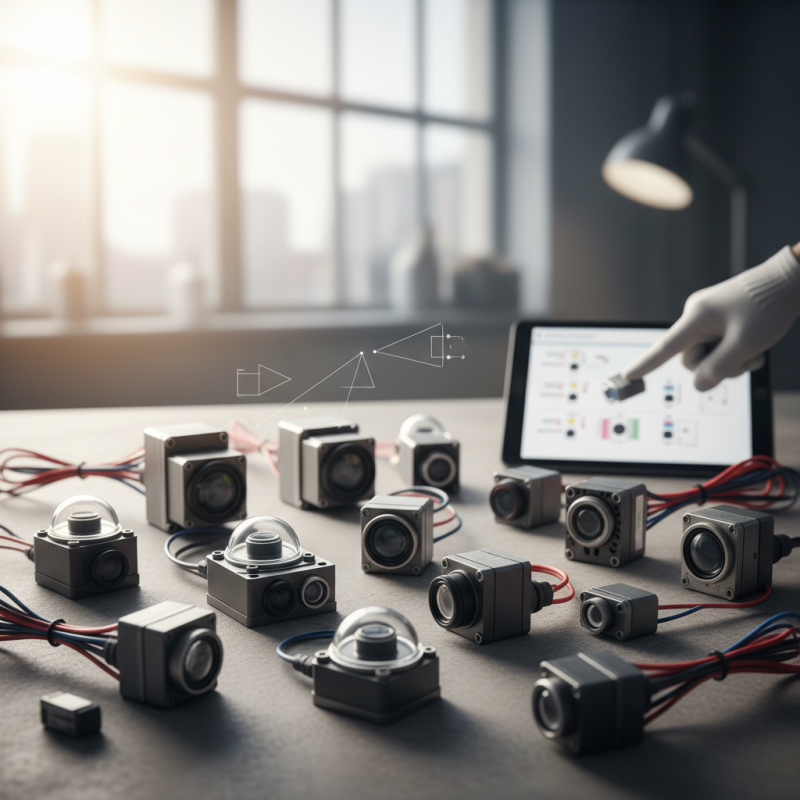
Understanding Photoelectric Sensors: Types and Applications
Photoelectric sensors are crucial in automation and industrial applications. They detect objects or changes in the environment using light signals. Understanding the types can significantly impact efficiency. There are three main types: retro-reflective, diffuse, and through-beam sensors. Each type serves different needs based on distance and application. For instance, retro-reflective sensors are commonly used in packaging. They excel at detecting shiny or uneven surfaces but may struggle with color variations.
When choosing the right type, consider your specific requirements. Measure the environmental conditions and potential obstructions. Some sensors work better in dusty or wet environments, while others may not. Experts suggest looking into application reports, such as those from the International Society of Automation, considering that approximately 30% of sensor failures relate to environmental factors.
Be mindful of the sensor range and response time. Too long of a range can lead to false readings in crowded spaces. It’s a challenge to balance detection accuracy and operational speed. Test several options to understand which suits your setup best. Finally, consult industry publications for the latest data on sensor performance. Keeping informed enhances your chances of success.
Key Factors to Consider When Selecting Photoelectric Sensors
When selecting photoelectric sensors, several key factors play a crucial role. A recent industry report indicates that nearly 35% of sensor failures are due to improper selection. Understanding the sensing range is vital. Short-range sensors typically cover distances of 0 to 1 meter, while long-range can exceed 10 meters. Matching the range to your application can prevent costly errors.
Another critical consideration is the environment where the sensors will operate. Dust, moisture, and extreme temperatures can hinder sensor performance. For example, 25% of sensors fail in harsh environments due to insufficient protection against contaminants. Choosing sensors with IP ratings suited to your site's conditions is essential.
Lastly, the type of output is significant. Sensors may offer analog or digital outputs, and this choice impacts data reading and integration in systems. The right output can ensure seamless communication and enhance overall efficiency. In a world where 70% of automation issues stem from poor connections, it’s essential to reflect on these selection factors to avoid future pitfalls.
Assessing Environmental Conditions for Optimal Sensor Performance
When selecting photoelectric sensors, environmental conditions play a crucial role. Dust, humidity, temperature, and light variations can affect sensor performance. A recent industry report by the Sensor Manufacturers Association highlights that 23% of sensor failures are due to inadequate assessment of these conditions.
High humidity or extreme temperatures can lead to inaccurate readings. For instance, sensors operating in temperatures over 70°C may experience reduced accuracy. Moreover, ambient light interference is a common issue. Sensors exposed to direct sunlight may struggle to detect signals correctly, leading to operational disruptions.
In environments with high dust levels, protective housing is essential. According to a study from the International Society for Automation, sensors in dirty conditions lose sensitivity by 15% over time. Regular maintenance and inspection are necessary to ensure longevity. Considering these factors during selection can improve sensor reliability and effectiveness in various applications.
Essential Tips for Choosing Photoelectric Sensors for Your Needs
This chart illustrates the optimal performance rating of photoelectric sensors in various environmental conditions. Selecting the appropriate sensor based on these conditions is crucial for ensuring reliable operation and longevity.
Evaluating Compatibility with Existing Systems and Equipment
When selecting photoelectric sensors, assessing compatibility with existing systems is crucial. Check the voltage and current ratings of your equipment. If the new sensor operates at different specifications, you may encounter issues. Understand the communication protocols as well. Mismatched protocols can lead to functionality problems.
Consider the physical dimensions of the sensors. A sensor that is too large may not fit your installation space. Review the mounting options available as well. Sometimes, modifications are required to integrate new sensors into existing setups.
Tip: Conduct a thorough site survey before purchasing. This helps identify potential challenges. Also, consult with your team for insights. They might share experiences that can guide your choice. Remember, even small details affect system performance. Don't overlook them. It's about aligning new technologies with established workflows, ensuring a smooth transition.
Budgeting and Cost Considerations for Photoelectric Sensors
When selecting photoelectric sensors, budgeting is a key factor. Prices can vary significantly based on features and technology. Having a clear budget helps streamline decision-making. Consider the essential functionalities required for your application. Basic sensors may suffice, reducing costs without sacrificing efficiency.
However, don’t overlook long-term expenses. Investing in higher-quality sensors might save costs over time. Lower-priced sensors might compromise on durability or accuracy. Maintenance costs can add up quickly. It’s essential to evaluate warranty and service options when calculating total expenses.
It’s worth reflecting on how many sensors you might need. Bulk purchases can lower the unit cost but may strain the budget. Ensure the chosen sensors fit the specific needs of your operation, even if it means spending a bit more initially. Always be prepared to adapt and revisit your choices.
Essential Tips for Choosing Photoelectric Sensors for Your Needs - Budgeting and Cost Considerations for Photoelectric Sensors
| Sensor Type | Detection Range | Price Range (USD) | Best Use Case | Key Features |
| Through-beam | 0.3 - 10 m | $20 - $50 | Object detection in conveyors | Long-range detection, highly reliable |
| Reflex | 0.05 - 5 m | $30 - $70 | Material presence detection | Compact design, easy installation |
| Diffuse | 0.1 - 2 m | $15 - $40 | Detecting shiny or dark surfaces | High sensitivity, cost-effective |
| Laser | 0.1 - 20 m | $100 - $250 | Precision measurement & detection | High accuracy, suitable for small targets |
| Smart Sensor | Variable | $80 - $300 | Advanced automation applications | Connectivity, data analytics |




 Send Inquiry

