
Choosing among China’s top Sauna Tent manufacturers requires more than comparing prices, product photos, or production claims. Global buyers need evidence. That evidence may include factory experience, material specifications, heating-system testing, ventilation design, packaging standards, and responsive after-sales support. A reliable supplier should explain whether the tent uses heat-resistant fabric, reinforced seams, stable zippers, and safe electrical components. It should also provide clear operating instructions and realistic warranty terms.
Sauna researcher Dr. Jari Laukkanen has described sauna bathing as “a lifestyle.” That perspective matters here. A Sauna Tent is not only a portable product; it becomes part of a user’s home routine, travel equipment, or wellness business. Manufacturers must therefore balance heat performance, portability, durability, user comfort, and safety. Buyers should inspect independent test reports where available, request product samples, and confirm production consistency before placing large orders. Small details matter. Weak stitching can become a serious problem after repeated folding. Poor ventilation can reduce comfort. Unclear instructions can create avoidable risks.
This guide examines ten Chinese manufacturers serving international buyers. It considers their product ranges, customization capabilities, quality-control practices, export experience, and communication standards. However, no supplier is perfect. Some public information may be incomplete, and factory claims still require verification. That is an uncomfortable but necessary limitation. The strongest buying decision combines documented evidence, practical testing, and cautious commercial judgment. Expect variation. Check everything.
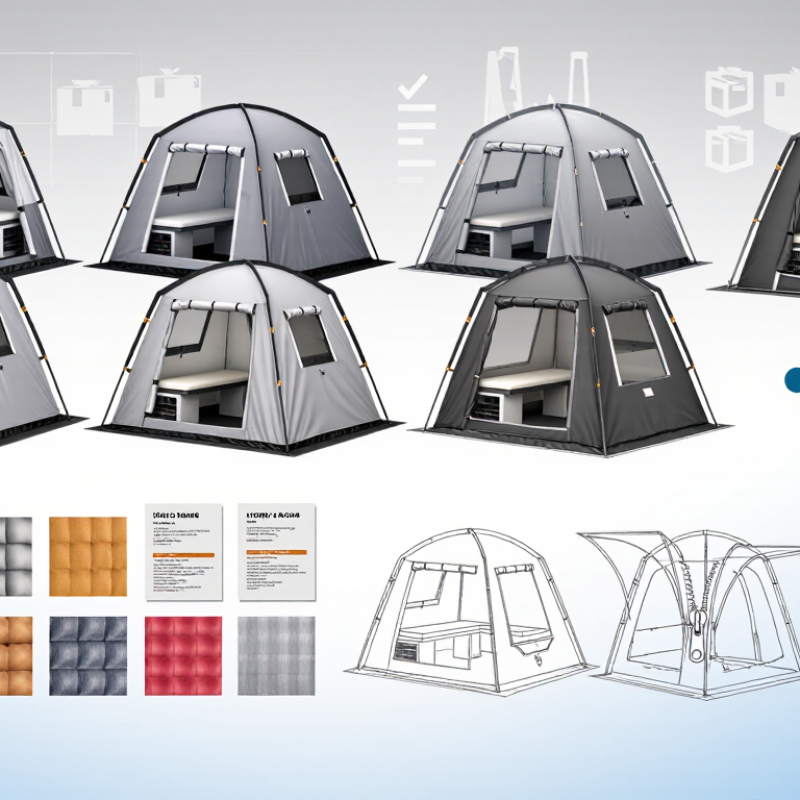
A sauna tent is a portable heat room made from insulated fabric, a support frame, and a controlled heating unit. Unlike a fixed sauna, it can be folded, stored, and installed in a small indoor space. Typical users sit on a compact chair while warm air circulates around the body. The design looks simple, but heat retention, ventilation, moisture control, and electrical safety require careful engineering.
Chinese manufacturers are attractive to global buyers because they offer mature supply networks for fabric, zippers, heating components, frames, and packaging. This integrated production base can support custom sizes, private labeling, and moderate order quantities. Experienced factories may also provide material testing, sample development, inspection records, and multilingual manuals. Ask for fabric heat-resistance data, thermostat accuracy, leakage protection, and clear cleaning instructions. Request a working sample before placing a larger order.
Details matter.
A lower price is not automatically better. Thin insulation may increase energy use, while weak stitching can shorten service life. Some suppliers communicate well during sampling but respond slowly after shipment. That risk deserves attention. Buyers should compare production lead times, warranty terms, replacement-part access, and third-party inspection options. Chinese sourcing can be efficient, but only when specifications are written clearly and verified repeatedly. A sauna tent should feel practical, stable, and easy to monitor, not merely attractive in product photographs.

What Is a Sauna Tent and Why Choose Chinese Manufacturers?
This chart presents an editorial buyer-evaluation framework for comparing sauna tent suppliers. Customization and OEM/ODM capability receive the highest weighting because global buyers often require private-label packaging, voltage options, fabric choices, and product modifications. Compliance documents, production capacity, and export logistics should also be verified before placing an order. The percentages are evaluation weights, not company rankings or sales data.
When evaluating China’s top sauna tent manufacturers, look beyond polished catalogs and attractive prices. Request a factory profile, production photos, and recent export references. A reliable supplier should explain fabric composition, insulation thickness, frame strength, and heater compatibility in clear terms. Vague answers are warning signs.
Ask for a physical sample before placing a large order. Check the zipper movement, stitching density, floor seams, carrying handles, and ventilation openings. Measure the assembled tent yourself. A strong model should remain stable when warmed, without sharp frame edges or excessive fabric odor. Request test reports for electrical parts, temperature controls, and fire-resistant materials where applicable. Standards vary by destination, so confirm documentation for your target market.
Factory audits can reveal more than online listings. Review incoming material checks, welding or sewing processes, final inspections, and packaging protection. Ask how defects are recorded and corrected. A supplier that only promises “zero problems” may lack a real quality system. Payment terms, lead times, spare parts, warranty handling, and product traceability also deserve written confirmation. No scorecard is perfect. I would still recheck sample performance after transport, because vibration and humidity can expose weaknesses that factory testing misses. Reliability often appears in small details, such as labeled cartons, readable manuals, and fast answers to difficult questions.
China’s Top 10 Sauna Tent Manufacturers for Global Buyers
China’s sauna tent industry is expanding with wellness tourism, home fitness, and compact living. Grand View Research estimates the global sauna market will keep growing through 2030, supported by rising wellness spending. However, market reports differ in size and forecast speed. Buyers should treat forecasts as direction, not proof.
The top ten manufacturers should be assessed through factory audits, material testing, and export experience. Look for heat-resistant fabric, stable frame joints, insulated doors, and reliable steam components. Ask for test reports covering electrical safety, temperature limits, and fabric emissions. A practical sample test matters more than polished catalog images. Set the tent at home, check heat loss, and inspect seams after repeated use. Small failures become expensive overseas.
Tips: Request a complete bill of materials and carton dimensions. Confirm voltage, plug type, warranty terms, and spare-part availability. ISO 9001 certification can support process control, but it does not guarantee product quality. Verify certification scope and issuing details. Intertek’s consumer-product research emphasizes traceability and testing for safer international sourcing. Yet even strong suppliers may miss packaging weaknesses. Drop-test one packed unit before placing a large order. Also compare production capacity during peak seasons, because delivery promises sometimes look better than factory reality.
For global buyers, China’s top sauna tent manufacturers are judged by products, customization, and production control. Portable infrared tents often use carbon heating panels, reflective insulation, folding frames, and washable interiors. Traditional steam tents need stronger waterproof fabric, steam-resistant seams, and stable electrical components. Some factories also produce wooden sauna cabins, blankets, benches, controllers, and replacement parts.
Demand has a wider wellness context. The Global Wellness Institute reported a global wellness economy worth 6.3 trillion US dollars in 2023. The US Bureau of Economic Analysis also valued the American outdoor recreation economy at 1.2 trillion dollars in 2023. These figures do not measure sauna tents directly, but they show relevant consumer momentum. Market reports differ sharply, so buyers should question dramatic growth claims. That is often overlooked.
Customization may include logo placement, fabric color, heating wattage, voltage, plug type, timer settings, packaging, and user manuals. More capable manufacturers can support private-label development, small pilot orders, sample testing, and repeat production. Ask for material specifications, temperature test records, electrical safety documents, stitching photos, and carton drop-test results. A low factory price can hide inconsistent heating or weak zippers. I have seen attractive samples fail during repeated folding.
Tips: Request one production sample before bulk approval. Test heat distribution with a thermometer. Confirm the target country’s plug and labeling requirements. Ask whether quality checks occur during assembly, not only before shipment. Suppliers with documented incoming-material inspection and batch records are generally easier to audit. Mistakes still happen, especially when specifications remain informal.
China Top 10 Sauna Tent Manufacturers for Global Buyers?
Choosing among China’s top 10 sauna tent manufacturers requires more than comparing prices. Ask for the factory address, production photos, material specifications, and recent inspection records. A reliable supplier should state fabric weight, insulation layers, frame metal, heater compatibility, and packed dimensions. Request a working sample before placing a large order. Touch the seams. Check zippers, floor moisture resistance, ventilation openings, and temperature controls. Small defects matter.
Send a written purchase specification with sizes, colors, logos, packaging, spare parts, and acceptable quality limits. Confirm the minimum order quantity, production schedule, payment stages, and inspection method. A video call can reveal useful details, but it cannot replace physical inspection. Use a pre-shipment inspection service when the order value justifies it. One common mistake is trusting polished catalogs too quickly.
For importing, confirm the correct customs classification with a qualified broker in the destination country. Ask the supplier for a commercial invoice, packing list, certificate of origin, and transport details. Check whether the heater and electrical components need local testing or specific documents. Compare EXW, FOB, and DDP quotations carefully, because hidden costs may include duties, port handling, and inland delivery. Verify carton strength and pallet dimensions. A damaged shipment can erase an attractive factory price. Some buyers overlook after-sales support, which becomes painful when replacement fabric or a missing connector is needed.
An anonymous buyer’s comparison framework for evaluating sauna tent suppliers, products, orders, and import readiness
| Rank | Supplier Capability to Prioritize | Typical Product Scope | Key Specifications to Verify | Recommended Buyer Evidence | Order and Import Considerations | Suggested Evaluation Weight |
|---|---|---|---|---|---|---|
| 1 | Material and Construction Control | Portable infrared or steam sauna tents with insulated fabric chambers, frames, seating, and heating components. | Fabric composition, insulation layers, frame material, zipper quality, stitching, heat resistance, and moisture resistance. | Request a bill of materials, material samples, close-up construction photos, and a current product specification sheet. | Confirm that the declared materials match the commercial invoice, packing list, and customs description. | 15% |
| 2 | Electrical and Heating Safety | Products using infrared panels, heating mats, steam generators, controllers, timers, or temperature sensors. | Rated voltage, wattage, plug type, grounding, over-temperature protection, timer function, controller accuracy, and cable construction. | Ask for electrical test reports applicable to the destination market and verify that the tested model matches the offered model. | Destination voltage and plug requirements must be confirmed before production; electrical documentation may be required by the importer. | 20% |
| 3 | Quality Management and Inspection | Suppliers with documented incoming-material inspection, in-process checks, and final product inspection. | Inspection checklist, sampling method, defect classification, product traceability, corrective-action process, and packaging inspection. | Request anonymized inspection records, a quality manual excerpt, and permission for pre-shipment inspection. | Use a written acceptance standard covering appearance, functions, accessories, carton condition, and quantity. | 15% |
| 4 | Customization and Private-Label Readiness | Custom colors, dimensions, control interfaces, accessory kits, manuals, labels, packaging, and retail cartons. | Minimum order quantity, artwork format, sample approval process, tooling fees, revision limits, and lead-time impact. | Request a sample approval form and a written quotation separating product, packaging, artwork, tooling, and inspection costs. | Ensure labels and user instructions meet destination-language, electrical, warning, and importer-information requirements. | 8% |
| 5 | Production Capacity and Lead-Time Reliability | Manufacturers able to handle repeat orders, seasonal demand, and coordinated production of tents and accessories. | Monthly capacity, normal sample lead time, mass-production lead time, capacity reservation, and raw-material availability. | Ask for a production schedule, capacity statement, and recent anonymized delivery-performance records. | Define the production start date, inspection date, shipment date, delay remedies, and partial-shipment rules in the contract. | 10% |
| 6 | Packaging and Transport Protection | Individual retail packaging, master cartons, protective foam, moisture protection, and palletized export shipments. | Carton dimensions, gross and net weight, drop protection, compression resistance, moisture control, and stacking limits. | Request a packaging drawing, carton test information, loading photos, and a confirmed packing list. | Accurate carton dimensions and weights are essential for freight quotations, container planning, and customs clearance. | 8% |
| 7 | Export Documentation Capability | Suppliers experienced with commercial invoices, packing lists, certificates of origin, shipping documents, and product manuals. | Document accuracy, HS-code coordination with the importer, country-of-origin information, and consistency across documents. | Review anonymized sample documents and confirm who prepares, checks, and signs each document. | The importer remains responsible for destination-country compliance; supplier documents should be checked before shipment. | 8% |
| 8 | After-Sales and Spare-Parts Support | Replacement controllers, heating elements, cables, steam components, zippers, fabric parts, and remote troubleshooting. | Warranty period, response time, spare-parts pricing, fault diagnosis procedure, replacement policy, and technical support channels. | Request a warranty document, spare-parts list, troubleshooting guide, and sample service-response workflow. | Agree on responsibility for defective units, return freight, replacement shipments, and warranty evidence. | 7% |
| 9 | Commercial Terms and Payment Protection | Quotations for samples, small trial orders, standard purchase orders, and recurring supply programs. | Price validity, currency, payment milestones, sample charges, tooling charges, minimum order quantity, and cancellation terms. | Compare itemized quotations and obtain a signed pro forma invoice before making payment. | Use a purchase contract that identifies the exact model, specifications, quantities, acceptance criteria, and delivery term. | 5% |
| 10 | Communication and Verification Transparency | Suppliers able to provide consistent technical, commercial, production, and logistics information. | Response quality, document consistency, factory or video audit availability, sample transparency, and escalation process. | Verify the business license, legal contracting entity, bank-account ownership, factory address, and referenceable export history. | Do not rely solely on online listings; independently verify identity, banking details, compliance documents, and product samples. | 4% |
For an immediate response, please call this
number08045801431
Price:
