
GST : 27AAFFV7667M1ZA

call images

Call us

08045801431

Top Junction Box Cabinet Manufacturers for Global Buyers?

Choosing among the top Junction Box Cabinet manufacturers requires more than comparing prices or polished product photos. Global buyers need evidence of engineering experience, factory consistency, material quality, and dependable after-sales support. A cabinet installed beside a dusty conveyor, a coastal pump, or a high-temperature control panel faces very different risks. Small design choices matter.

Dr. Thomas Steffen, a long-time enclosure-industry executive, once expressed the principle clearly: “A cabinet must protect the technology inside, even when the environment becomes difficult.” That view remains practical. Buyers should examine ingress protection ratings, stainless-steel grades, powder-coating performance, cable-entry systems, grounding methods, and thermal management. Certification documents also deserve careful checking. A logo alone proves little.

This guide evaluates leading manufacturers through a global procurement lens. It considers customization capacity, testing procedures, production scale, delivery reliability, documentation, and regional service. Some suppliers appear impressive online but provide limited technical detail. Others may offer excellent engineering yet struggle with short lead times. There is no perfect manufacturer for every project.

A careful comparison is necessary. More important, the final decision should match the cabinet’s actual operating conditions. Ask for drawings, material certificates, inspection records, and realistic delivery commitments. A sample unit can reveal weak hinges, uneven coating, or cramped wiring space before those problems reach the field.

The best Junction Box Cabinet supplier is not always the largest name. It is the manufacturer that repeatedly delivers protection, compatibility, and measurable reliability. Even experienced buyers can overlook one detail: long-term maintenance access. That mistake can become expensive.
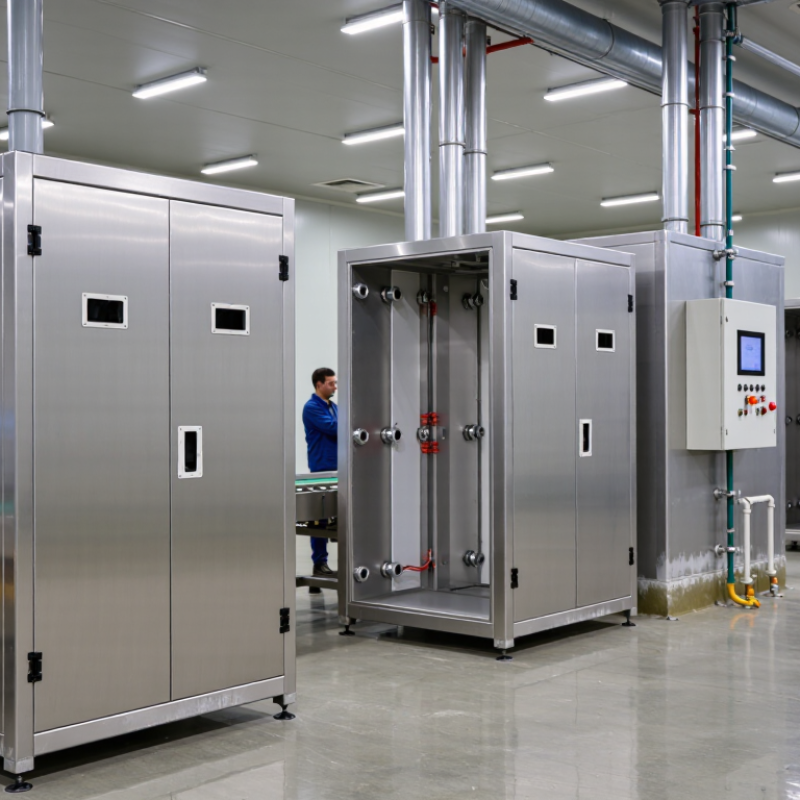
Top Junction Box Cabinet Manufacturers for Global Buyers?

Junction Box Cabinets Defined: Functions, Materials, and IEC 61439 Requirements

Junction Box Cabinets Defined: Functions, Materials, and IEC 61439 Requirements

Junction box cabinets protect electrical connections from dust, moisture, impact, and accidental contact. They organize terminal blocks, cable glands, fuses, and control components in one accessible enclosure. In factories, a well-planned cabinet can shorten inspection time and reduce wiring errors. That matters.

Common materials include powder-coated carbon steel, stainless steel, aluminum, and reinforced polymer. Steel suits indoor equipment and heavy industrial areas. Stainless steel performs better where washdown, salt, or chemical exposure is expected. Polymer cabinets reduce weight but may need careful checks for heat, ultraviolet exposure, and mechanical strength. Material choice should follow the environment, not appearance.

IEC 61439 applies when the cabinet forms part of a low-voltage switchgear and controlgear assembly. Manufacturers must address design verification, routine verification, temperature rise, dielectric performance, short-circuit withstand, clearances, and protective-circuit continuity. The specified IP rating also needs evidence, especially around doors, seals, and cable entries. A rating printed on a datasheet is not enough. Field inspections often find loose glands or poorly bonded doors. Not always.

Global buyers should request drawings, rated current, prospective short-circuit data, enclosure material, IP test evidence, and routine test records. They should also confirm ambient temperature and installation altitude. A cabinet that works in a clean workshop may fail beside a furnace. Some specifications are copied without checking real operating conditions. That is an uncomfortable weakness, but honest review improves reliability.

Junction Box Cabinet Protection Levels for Global Applications

The chart compares commonly specified IP enclosure ratings for junction box cabinets. The first digit indicates protection against solid objects and dust, while the second digit indicates protection against water. Under IEC 61439, the required degree of protection for an assembly enclosure must be declared and verified; the IP classification itself is defined by IEC 60529. Higher ratings provide stronger protection for outdoor, industrial, dusty, or washdown environments.

IP Ratings Explained: Comparing IP54, IP65, and IP66 for Global Installations

Choosing a junction box cabinet for global installations starts with understanding its IP rating. The rating describes protection against solids and water, not overall cabinet quality. In field inspections, dust often enters through poorly sealed cable glands, even when the enclosure carries a strong rating.

IP54 protects against limited dust entry and water splashes from any direction. It suits sheltered indoor areas, control rooms, and some covered outdoor locations.

IP65 provides dust-tight protection and resistance to water jets. It is more suitable for exposed industrial walls, utility areas, and washdown zones.

IP66 also prevents dust entry, but it withstands stronger water jets. However, IP66 is not automatically the best choice. Drainage, cable entry design, corrosion resistance, and temperature changes still matter.

Tips: Match the rating to the real environment, not the product brochure alone. Check the complete assembly, including glands, locks, hinges, and mounting points. Keep unused openings sealed. I have seen installations fail because one cheap gland weakened the entire protection level. Also verify test conditions with the supplier. IP tests may not represent chemical spray, salt air, ultraviolet exposure, or repeated thermal cycling. The rating is useful, but it is only one part of a reliable cabinet decision.

Global Compliance Benchmarks: IEC 60529, NEMA 4X, and UL 50E Standards

For global buyers, a junction box cabinet should be judged by verified compliance, not appearance. IEC 60529 defines ingress protection against dust and water. Its IP rating must match the installation environment. A cabinet marked IP66 may resist powerful water jets, but it is not automatically suitable for every corrosive site. Check the test report, gasket material, door compression, and cable-entry arrangement.

NEMA 4X adds practical expectations for outdoor and corrosive applications. It addresses protection from rain, splashing water, windblown dust, and corrosion. Stainless hardware, sound welds, and a continuous sealing surface matter here. Small details matter. Inspectors should examine hinges, drains, fasteners, and surface treatment. A damaged coating can become the weakest point, even when the enclosure looks robust.

UL 50E focuses on enclosure construction and environmental protection for electrical equipment. Buyers should confirm the exact enclosure type, intended use, and certification scope. Do not treat IEC, NEMA, and UL markings as interchangeable certificates. They use different test methods and classifications. Request drawings, material declarations, routine inspection records, and evidence from an accredited testing body. Site temperature, ultraviolet exposure, salt spray, and chemical vapors also deserve review. In practice, documentation is sometimes incomplete, and that should slow procurement rather than encourage assumptions. A careful comparison may reveal that a lower-cost cabinet needs better locks, thicker seals, or a revised cable layout.

Manufacturer Evaluation: Enclosures, Customization, Testing, and 2024 Lead Times

Selecting a junction box cabinet manufacturer requires more than comparing catalog prices. Global buyers should inspect enclosure materials, sealing methods, and production evidence. Stainless steel, coated steel, and reinforced polymer serve different environments. Fit matters. Check door alignment, gasket compression, hinge strength, and cable-entry space using sample units. An enclosure may look robust yet fail when condensation collects inside.

Customization should be practical, not decorative. Ask whether the factory can modify mounting plates, gland openings, locks, drainage features, and internal wiring space. Request controlled drawings before approval. A clear revision process prevents costly misunderstandings across time zones. Ask for evidence. Useful records include material certificates, ingress-protection reports, corrosion testing, impact tests, and electrical safety checks. Testing should match the intended climate, installation height, and exposure. Laboratory claims alone may not reflect field conditions.

Lead times also deserve careful review. In 2024, standard cabinets often moved faster than heavily customized assemblies, but actual schedules depended on steel availability, coating capacity, and inspection requirements. Request a production timeline with sample approval, tooling, fabrication, testing, packing, and shipping stages. Confirm what happens when drawings change. That gap matters. A supplier may promise twenty days, then quietly add inspection time. I have found that realistic estimates are usually more valuable than optimistic offers. Buyers should also evaluate communication quality, corrective-action records, and after-sales support. One overlooked weakness remains common: manufacturers describe customization confidently, but provide few photos of completed projects. Ask for them anyway.

Global Buyer Comparison: Certifications, Production Capacity, Warranty, and TCO

Global buyers should compare junction box cabinet manufacturers through verified evidence, not catalog claims. A certificate alone can mislead. Check ISO 9001 records, applicable IEC standards, enclosure ratings, and market-specific approvals. For outdoor cabinets, verify IP or NEMA performance with test reports. Ask whether the tested design matches the delivered model, including doors, glands, locks, and mounting plates. Request recent audit dates and serial-number traceability. Reliable manufacturers explain exceptions clearly.

Production capacity should be proven through factory visits, production schedules, and quality records. Request monthly output, peak-season capacity, and lead times for customized cabinets. Inspect welding consistency, coating thickness, gasket compression, and final inspection procedures. A large factory may still struggle with small engineering changes. During evaluation, ask for a sample build and a documented factory acceptance test. Warranty language deserves equal attention. Confirm coverage period, exclusions, response time, replacement procedures, and who pays freight? Define responsibilities before signing. I have seen vague warranty promises delay simple repairs.

Total cost of ownership includes purchase price, engineering, shipping, installation, spare parts, maintenance, and downtime. Compare corrosion protection, thermal management, and access design, because poor details increase field labor. A cheaper cabinet can become expensive after repeated gasket failures. Record energy use for heaters or cooling devices. Use a five-year cost model with realistic service rates. One practical mistake is ignoring local technicians. Buyers sometimes select excellent equipment without checking regional support. That gap can extend a repair from days to weeks.

Back to top
