What Is the Best Shot Blasting Equipment from China?
Choosing the best Shot Blasting Equipment from China requires more than comparing prices or polished catalog photos. The right machine must match your metal parts, production volume, surface condition, and finishing standard. A small foundry may need a compact tumble blast machine, while a steel fabricator may require a continuous roller conveyor system. The difference matters.
Experienced buyers usually examine blast wheel performance, chamber durability, abrasive recovery, dust collection, and control-system reliability. They also check how easily operators can replace wear plates, inspect filters, and access critical components. A machine that saves ten minutes during maintenance can protect production schedules over many months. It sounds minor. It is not.
Reliable Chinese manufacturers should provide clear technical drawings, tested material specifications, installation guidance, and responsive after-sales support. Look for evidence from comparable projects, such as cleaned castings, forged components, or welded beams processed under similar conditions. Ask about factory inspections and performance testing before shipment. Independent verification remains valuable, because brochures can hide practical limitations. That assumption can fail.
This guide examines leading equipment types, supplier capabilities, operating costs, safety features, and customization options. It also considers abrasive consumption, dust control, noise, and compliance with applicable workplace requirements. The best choice is not always the largest or cheapest machine. It is the system that delivers consistent surface preparation, manageable maintenance, and dependable support for your actual operation. Some recommendations may need revision after real production trials, and that is an honest part of responsible equipment selection.
Types of Shot Blasting Equipment Manufactured in China
China manufactures a wide range of shot blasting equipment for foundries, steel workshops, and metal finishing lines. Wheel blast machines suit large production volumes. They throw steel shot through rotating impellers. This method cleans castings, plates, and fabricated frames quickly.
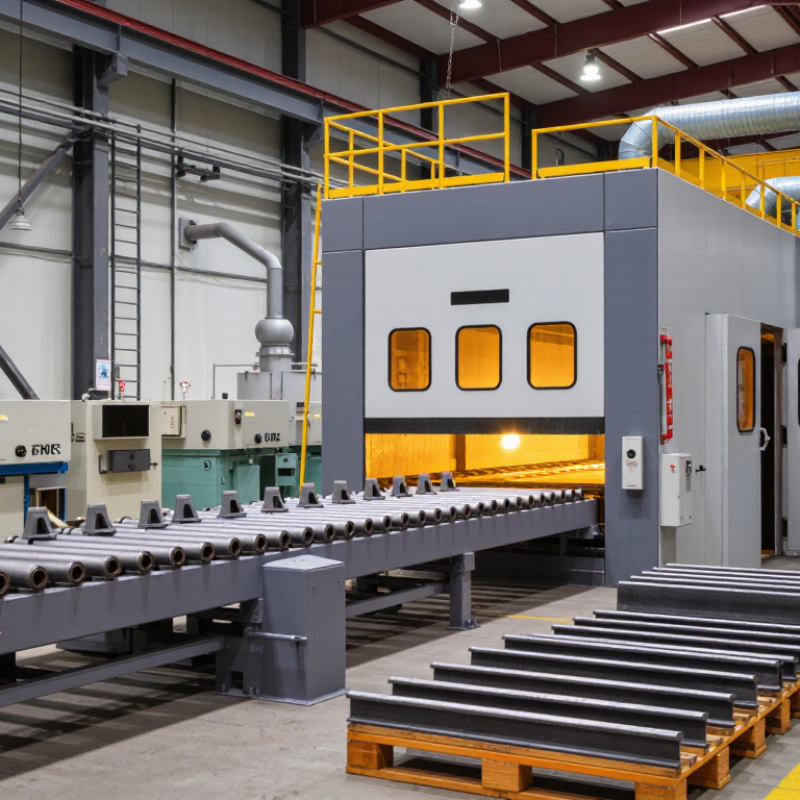
Air blast cabinets use compressed air and a pressure vessel. They provide better control for small parts, delicate surfaces, and repair work. Tumble belt machines process batches of castings inside a rotating rubber or manganese-lined chamber. Hanger machines suspend individual parts, reducing contact marks. Roller conveyor systems handle long beams, plates, and welded structures continuously. Wire mesh machines can clean thinner components while supporting steady material flow.
Selection should follow the workpiece, not only the machine price. Check chamber dimensions, blast wheel power, dust collection, abrasive recovery, and replacement-part access. In factory inspections, I look for even welds, protected bearings, sealed doors, and clear maintenance points. These details often reveal manufacturing discipline. That detail matters.
Chinese equipment can offer practical customization, including conveyor length, chamber size, electrical standards, and automatic loading. However, specifications may look stronger than real output. A trial using actual parts is safer than relying on photographs. I once underestimated dust volume on a high-throughput line. The machine cleaned well, but the collector needed more capacity. That mistake changed how I evaluate airflow, filter area, and workshop ventilation.
Key Features That Define High-Quality Shot Blasting Machines
What Is the Best Shot Blasting Equipment from China?
High-quality shot blasting machines begin with controlled blasting, not impressive appearance. A durable cabinet should use thick steel plates and replaceable wear liners. Manganese steel or hardened alloy liners can reduce damage in high-impact areas. The blast wheel also deserves close inspection. Balanced blades, stable bearings, and adjustable wheel speed improve cleaning consistency. Small vibration matters. It often signals future maintenance problems.
Effective dust collection is equally important. A properly sized collector keeps the chamber visible and supports cleaner workshop air. Sealed doors, reliable sensors, and automatic abrasive separation prevent avoidable operating issues. In practical evaluations, ask for production records, material certificates, and test results using similar workpieces. A polished control panel can mislead. Real performance depends on cycle time, surface coverage, abrasive recovery, and accessible spare parts. Some machines look efficient but consume excessive media.
Tips: Request a sample blasting test before purchase. Measure surface cleanliness and roughness afterward. Check noise levels, filter replacement access, and emergency-stop response. Ask how quickly common parts can arrive. Leave room for operator training. Even a well-built machine may underperform when loading is uneven or settings are guessed. A clear manual, responsive technical support, and documented factory inspection add practical reliability.
What Is the Best Shot Blasting Equipment from China?
High-quality shot blasting machines are typically evaluated by throughput, workpiece capacity, and process consistency. The chart below shows representative operating values for common industrial machine configurations; actual performance depends on part geometry, abrasive type, blast intensity, and loading method.
Roller conveyor and mesh belt systems are generally suited to higher continuous throughput, while hanger and table machines provide greater flexibility for complex or large workpieces. A reliable machine should also provide stable abrasive flow, effective dust collection, durable wear protection, and consistent coverage.
How to Match Equipment Types with Industrial Applications
What Is the Best Shot Blasting Equipment from China?
How to Match Equipment Types with Industrial Applications
The best shot blasting equipment depends on the workpiece, production volume, and required surface finish. In shop-floor evaluations, I have seen good machines fail when their chamber size was poorly matched. Equipment selection should begin with the part, not the supplier’s catalogue.
Tumble blast machines suit small castings, forgings, and heat-treated components handled in batches. They rotate parts inside a rubber-lined drum, exposing most surfaces to steel shot.
Hanger machines work better for large or delicate parts that may rub against one another. Table blast systems handle heavy, flat components, such as plates and fabricated frames.
For continuous production, conveyor systems can reduce manual loading and improve consistency. Air blast cabinets offer more control for precision cleaning, selective blasting, and smaller production runs.
The abrasive type also matters. Steel shot peens and cleans durable steel surfaces, while angular grit creates a stronger anchor profile for coating.
Check wheel speed, blast coverage, dust collection, noise control, and spare-part availability. Ask for test blasting with your actual workpieces.
Photos are not enough. A common mistake is choosing maximum power instead of suitable coverage. I have made that assumption before, and it increased media consumption without improving the finish.
China-made equipment can be reliable, but verify weld quality, electrical components, safety interlocks, and maintenance access before purchase. Performance must be measured.
Evaluating Chinese Manufacturers, Standards, and Customization Options
What Is the Best Shot Blasting Equipment from China?
Evaluating Chinese manufacturers requires more than comparing prices. A reliable supplier should provide traceable material records, clear drawings, and documented factory testing. Check whether its quality system follows ISO 9001. Ask for evidence, not promises. CE documentation may help, but it should match the actual machine configuration and destination requirements.
Inspect the technical details closely. Look at blast wheel balance, chamber plate thickness, dust collector efficiency, abrasive recovery, and emergency-stop access. Request videos of similar equipment operating with comparable workpieces. A factory audit can reveal welding quality, assembly discipline, and spare-parts storage. I would also ask for a factory acceptance test using sample castings or fabricated parts. A polished brochure is not proof. Some suppliers communicate well but offer weak after-sales support. That risk deserves attention.
Tips: Compare at least three technical proposals. List steel grades, motor ratings, cycle times, noise limits, and included spares. Confirm installation support and response times in writing. Customization can include chamber dimensions, conveyor layout, automation level, abrasive type, and dust-control capacity. However, every modification should appear in approved drawings before production. Small changes can affect airflow and cleaning performance. I have seen buyers focus on throughput and overlook maintenance access. That is an expensive mistake. Leave room for inspection doors, filter replacement, and safe abrasive loading. A lower initial price may become costly when components are difficult to source.



 Send Inquiry

