High Pressure Hoses Buying Guide for Global Importers
When considering the purchase of High Pressure Hoses, it is essential to recognize their critical role in various industries. According to a report by MarketsandMarkets, the global high-pressure hose market is expected to reach USD 3.7 billion by 2025, growing at a CAGR of 6.8%. This growth indicates an increasing demand for these hoses in sectors like oil and gas, manufacturing, and construction. High pressure hoses are indispensable for transferring fluids in extreme conditions. They are engineered to withstand high pressure and temperature, ensuring safety and efficiency.
The selection process for High Pressure Hoses requires careful consideration. Importers must assess quality, durability, and compliance with international standards. Various factors can influence performance, including material composition and design specifications. A comprehensive understanding of these elements can lead to enhanced operational reliability. However, not all hoses are created equal, and some may fail to meet essential safety requirements. Regular evaluation and supply chain reliability are critical to avoid costly consequences.
As this market evolves, staying informed about the latest advancements and industry benchmarks becomes increasingly vital. Importers face challenges regarding sourcing and market fluctuations. Engaging with reputable manufacturers can enhance knowledge and ensure access to high-quality products. Therefore, a strategic approach will be an asset in navigating the complexities of the high-pressure hose market.
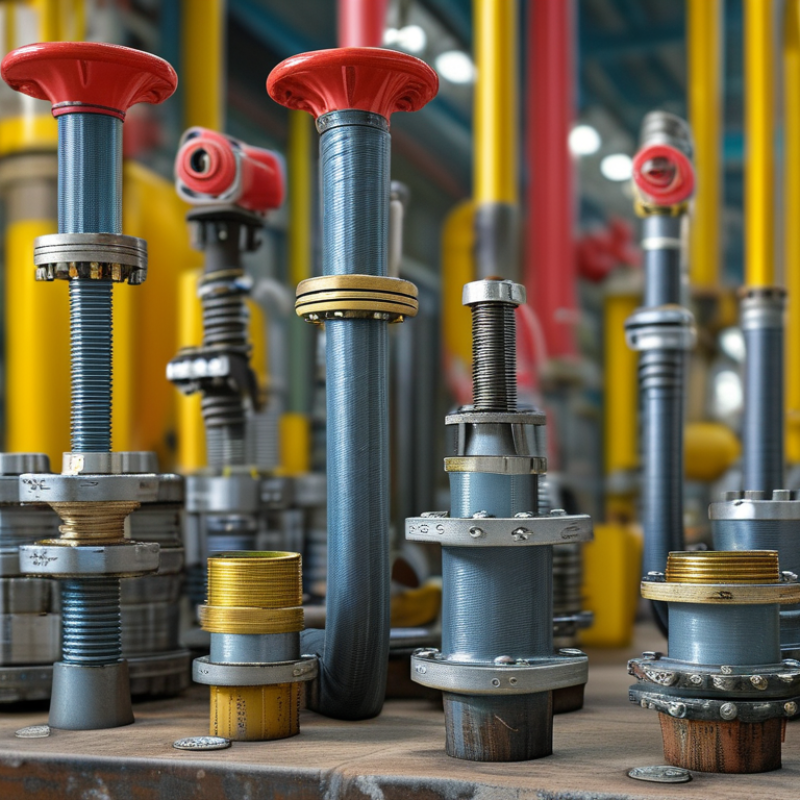
Understanding the Different Types of High Pressure Hoses Available
High pressure hoses are essential in various industries, including construction, automotive, and oil & gas. Understanding the types of hoses available is crucial for importers. Two major categories are rubber and thermoplastic hoses. Rubber hoses are known for their durability in extreme conditions, making them suitable for high-temperature applications. Thermoplastic hoses, on the other hand, offer lightweight flexibility, typically found in hydraulic and pneumatic systems.
According to a recent industry report, the global hydraulic hose market is expected to reach $2.7 billion by 2025, with a steady annual growth rate of 5.5%. This highlights the rising demand for reliable high-pressure solutions. Importers should also consider factors like pressure ratings and compatibility with fluids. Not all hoses perform well under specific conditions. For instance, not every rubber hose can handle oil-based fluids effectively.
While selecting hoses, reflect on the proper usage scenarios. Many failures result from incorrect hose selection. Regular testing and inspection can prevent operational risks. Understanding material specifications is vital. Misinterpretations can lead to costly mistakes and safety hazards. Importers must prioritize quality and performance over price alone.
Key Factors to Consider When Choosing High Pressure Hoses
When selecting high-pressure hoses, several critical factors come into play. The application is paramount; understanding the specific use is essential. Consider the materials involved in your operation. Different environments demand varying hose materials for durability and flexibility. For instance, a rubber hose might withstand bending better, while a polyurethane option offers higher abrasion resistance.
Pressure rating is another vital aspect. Ensure the hose can endure the required pressure without risk of bursting. This requires assessing both the maximum working pressure and the burst pressure. Additionally, the hose diameter affects flow rates. A larger diameter often facilitates increased fluid flow, but may not fit all systems seamlessly.
Furthermore, compatibility with fluids is often overlooked. Check whether the hose material interacts negatively with the fluids it will carry. This compatibility can prevent leaks or even catastrophic failures. When in doubt, consulting with industry professionals can provide valuable insight. Learning from previous mistakes in material choice and sizing issues can help avoid costly errors. Always think critically about your choices, as even small details can lead to major operational challenges down the line.
Essential Quality Standards and Certifications for Importing Hoses
When importing high-pressure hoses, understanding essential quality standards is critical. These standards ensure the hoses meet rigorous safety and performance criteria. Each region may have different norms. Familiarizing yourself with these can prevent costly mistakes.
Many hoses need certifications like ISO, CE, or SAE. These certificates indicate that the hoses have passed specific tests. Look for factories that hold these certifications. They tend to have better quality control processes in place. However, not all suppliers are transparent about their compliance. This can lead to misunderstandings later. Engage in due diligence to verify claims.
Testing is also a vital part of quality assurance. Hoses should undergo pressure tests to confirm their durability. Sometimes, third-party testing is recommended for unbiased results. However, not every importer recognizes this necessity. This oversight can lead to significant risks down the line. By prioritizing these standards, you not only enhance product reliability but also build a trustworthy supply chain.
Effective Sourcing Strategies for Global Importers of High Pressure Hoses
When sourcing high-pressure hoses for industrial applications, importers should prioritize a thorough understanding of material specifications. Different environments demand different materials. For instance, rubber hoses are ideal for flexibility, while thermoplastic options may offer superior chemical resistance. Evaluating the intended use helps in selecting the right product.
Maintaining relationships with multiple suppliers can enhance bargaining power. This strategy allows importers to compare prices, quality, and reliability. While it’s tempting to focus solely on cost, considering service quality is essential. A reliable supplier not only delivers products on time but also offers after-sales support. Regular communication is crucial to ensuring both parties understand expectations.
Importers need to reflect on existing partnerships. Are they meeting quality standards? Are there delays in delivery? These reflections can guide future sourcing decisions. It’s important to learn from past experiences. A strong sourcing strategy is built on trust and consistent evaluation of supplier performance.
High Pressure Hoses Import Trends by Region (2022)
Common Mistakes to Avoid When Buying High Pressure Hoses
When purchasing high pressure hoses, many importers overlook critical factors that can lead to costly mistakes. One common error is not verifying the specifications. High pressure hoses come in various materials, pressure ratings, and sizes. Importers should carefully assess the specific requirements for their application. Failing to do so may result in using hoses that cannot withstand operational pressures.
Another frequent oversight is neglecting compatibility with existing equipment. The connections, fittings, and overall design must match the machinery. If not, the hose may burst or wear out prematurely, resulting in safety hazards and financial losses. Always consult with engineering teams to ensure proper integration.
Quality is paramount. Opting for lower-priced options may save money initially but could lead to higher maintenance costs down the line. Ensuring that hoses meet industry standards is crucial. Buy from reputable suppliers who can provide certifications and test results. This practice fosters reliability and reduces the likelihood of purchasing substandard products.
High Pressure Hoses Buying Guide for Global Importers - Common Mistakes to Avoid When Buying High Pressure Hoses
| Dimension |
Material |
Pressure Rating (psi) |
Common Applications |
Mistakes to Avoid |
| 1/4" (6.35 mm) |
Rubber |
3000 |
Hydraulic tools, Pressure washers |
Not checking compatibility |
| 3/8" (9.53 mm) |
Polymer |
4000 |
Food and beverage processing |
Ignoring temperature ratings |
| 1/2" (12.7 mm) |
Stainless Steel |
5000 |
Construction, Manufacturing |
Failing to consider flexibility |
| 3/4" (19.05 mm) |
Nylon |
6000 |
Automotive applications |
Not evaluating length requirements |
| 1" (25.4 mm) |
PVC |
3000 |
Water treatment, Agriculture |
Overlooking assembly specifications |




 Send Inquiry

